Diving in Croatia
Sea temperatures of 13–25 °C (56–77 °F) through the year, and 17 facts from official sources, each with the date we read it.
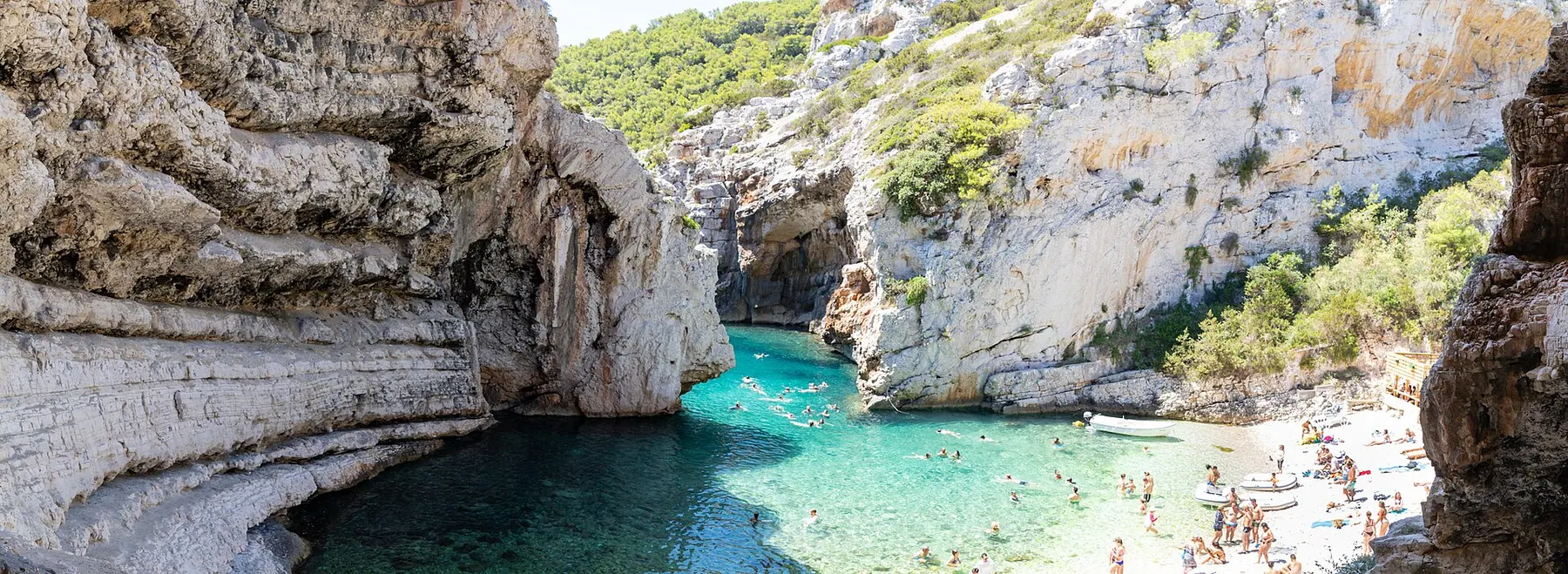
Overview
Diving on your own in Croatia needs an authorisation from a Harbourmaster's Office, in Pula, Rijeka, Senj, Zadar, Sibenik, Split, Ploce or Dubrovnik. It costs 318.53 EUR and is valid for one year from issue. Organised diving is for members of registered diving centres or associations. A recognised diver certification is expected as well as the permit. The dive must match the diver's category, though the categories aren't spelled out.
EU and EEA dive operators may offer guided diving, trial dives and courses in Croatia temporarily, without a fee or authorisation. Individual divers must mark the dive with an orange or red buoy at least 30 cm across, or a diver-down flag. Night dives need a yellow or white strobe visible from 300 m.
Wrecks and archaeological sites have their own rule. Diving where cultural goods lie needs a Ministry of Culture and Media permit, and only permit-holding centres may organise it. 34 locations are covered under the 2024-2029 programme. Suspected finds must not be removed, and the exact location should be reported. The tourist board rates Baron Gautsch and Vasilios as advanced and the Teti and Peltastis as open water.
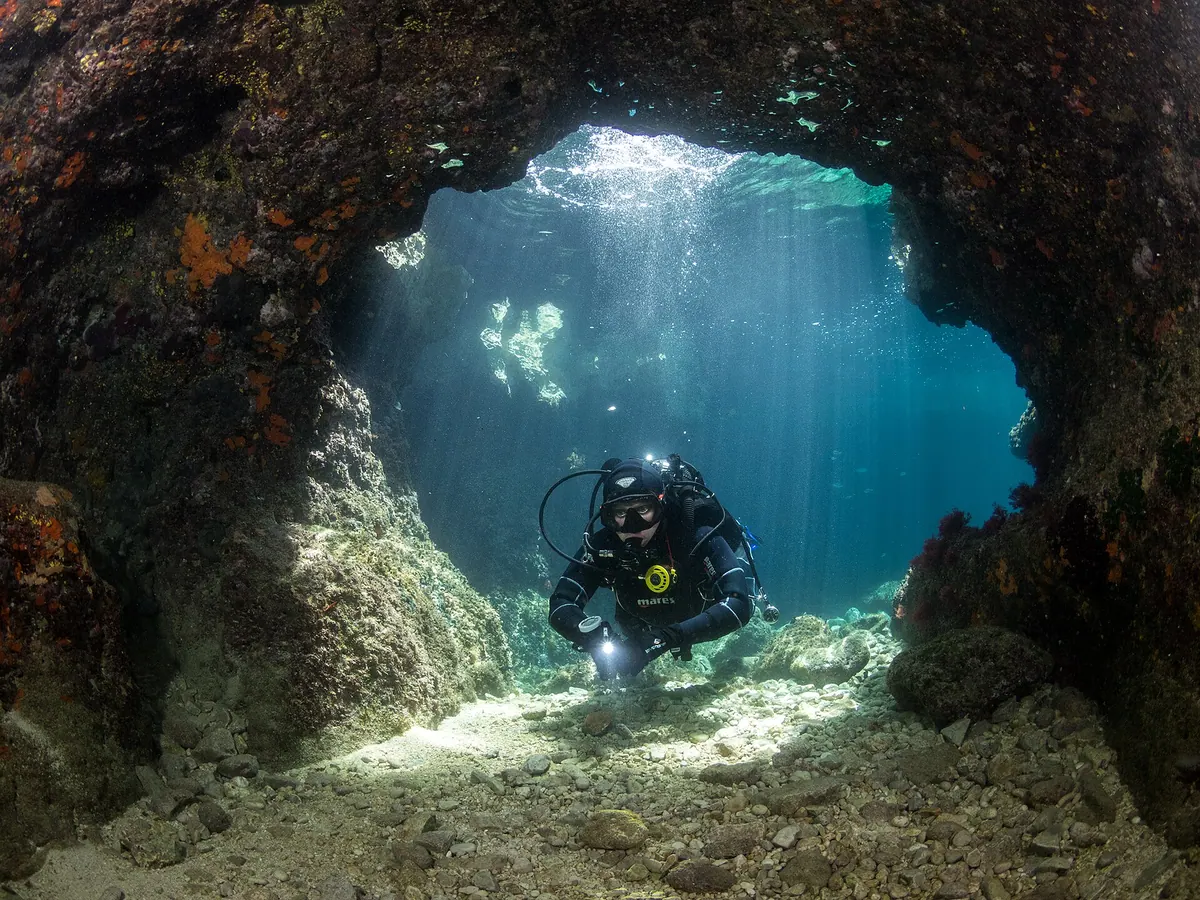
Croatian diving is mostly boat, wreck, wall, cave and cavern work, with typical depths of 20 to 30 m (66 to 98 ft) and mild currents. Yellow and red gorgonians cover the walls at Kobila, Bisevo and Mali/Veli Cutin, and tame conger eels live on the Teti wreck at Vis. Dolphins and large tuna can be met in open water, and dolphins are protected.
The sea is coldest in February at 13.4 °C (56 °F) and warmest in August at 24.8 °C (77 °F). Three named winds shape the sea: the bora, a cold north-easterly; the jugo or scirocco, a humid south-easterly; and the maestro, a north-westerly that cools the summer.
Summary drafted with AI from the sourced facts below; not yet reviewed by John R. Each figure here appears, with its source, further down the page.
Not yet checked by a person. Each fact shows its source: an official page, or a dive operator's or magazine's report where it says so. Rules and fees change: check with the authority and your dive operator before you go. In an emergency: DAN hotlines. How we check facts. Spotted a mistake? corrections@divehomebase.com.
- Level
- Dive must match the relevant diver category (categories not listed)
- gov.hr (Ministry of Culture and Media information), read 2026-11-20
- Sea temperature
- 13.4–24.8 °C / 56–77 °F
- NOAA OISST, monthly average 1991–2020
- Level required
- Recognised diver certification + permit
- Croatian National Tourist Board (HTZ), "Diving" brochure, 2015 edition, read 2026-11-22
Sea temperature by month
Average sea surface temperature near Croatia, 1991–2020. Deeper water and bays can be cooler. Best months for diving depend on more than temperature; we add them when a published source gives them.
- Jan14.1 °C / 58 °F
- Feb13.4 °C / 56 °F
- Mar13.6 °C / 56 °F
- Apr14.9 °C / 59 °F
- May18.0 °C / 64 °F
- Jun21.9 °C / 71 °F
- Jul24.2 °C / 76 °F
- Aug24.8 °C / 77 °F
- Sep23.0 °C / 73 °F
- Oct20.9 °C / 70 °F
- Nov18.6 °C / 66 °F
- Dec16.2 °C / 61 °F
Fees and permits
318.53 EUR, individual diving authorisation, valid one year from issue.
- 318.53 EUR, individual diving authorisation, valid one year from issue1
- Individual diving requires the authorisation from any Harbourmaster's Office (Pula, Rijeka, Senj, Zadar, Sibenik, Split, Ploce, Dubrovnik); organised diving is for members of registered diving centres/associations1
- Diving in areas where cultural goods are located (wrecks, archaeological sites) needs a Ministry of Culture and Media permit; only permit-holding diving centres may organise it; 34 locations under the 2024-2029 programme2
- Government of the Republic of Croatia (gov.hr / e-Citizens), read 2026-11-22
- Government of the Republic of Croatia (gov.hr / e-Citizens), read 2026-11-22
Rules for divers
Among them: do not remove suspected archaeological finds; and 4 more below.
Set by the park or national authority. Breaking them can mean fines or losing your dive permit.
- Individual divers must mark the dive with an orange or red buoy at least 30 cm across or a diver-down flag; night dives need a yellow or white strobe visible from 300 m1
- Finds: Do not remove suspected archaeological finds; report the exact location to the conservation department. Finds in the sea belong to the Republic of Croatia1
- Organised heritage-site diving must be run by a centre holding a Ministry permit (tender programme 2024-2029); organiser pays for supervision; temporary authorisation covers a single dive2
- Foreign operators: EU/EEA-established dive operators may provide tourist diving services in Croatia temporarily without a fee or authorisation; services listed include guided diving, trial dives and courses3
- Marking: Individual divers must mark the dive area with an orange or red buoy of at least 30 cm diameter or a diver-down flag; night dives need a yellow or white strobe visible from at least 300 m1
- Government of the Republic of Croatia (gov.hr / e-Citizens), read 2026-11-22
- gov.hr (Ministry of Culture and Media information), read 2026-11-20
- Croatian Point of Single Contact for services (Ministry of Tourism and Sport), read 2026-11-20
Marine life and conservation
Sightings are likelihoods, not promises.
- Dolphins and large tuna can be met in open water; dolphins are protected in Croatia1
When to go
Seasons are averages: weather in any one year can differ. Storm seasons come from the national or regional weather agency.
- Wind and sea: Bora (cold north-easterly), Jugo/Scirocco (humid south-easterly), Maestro (north-westerly, cools summer)1
- Croatian National Tourist Board (2015 brochure), read 2026-11-22
Conditions
Currents mild.
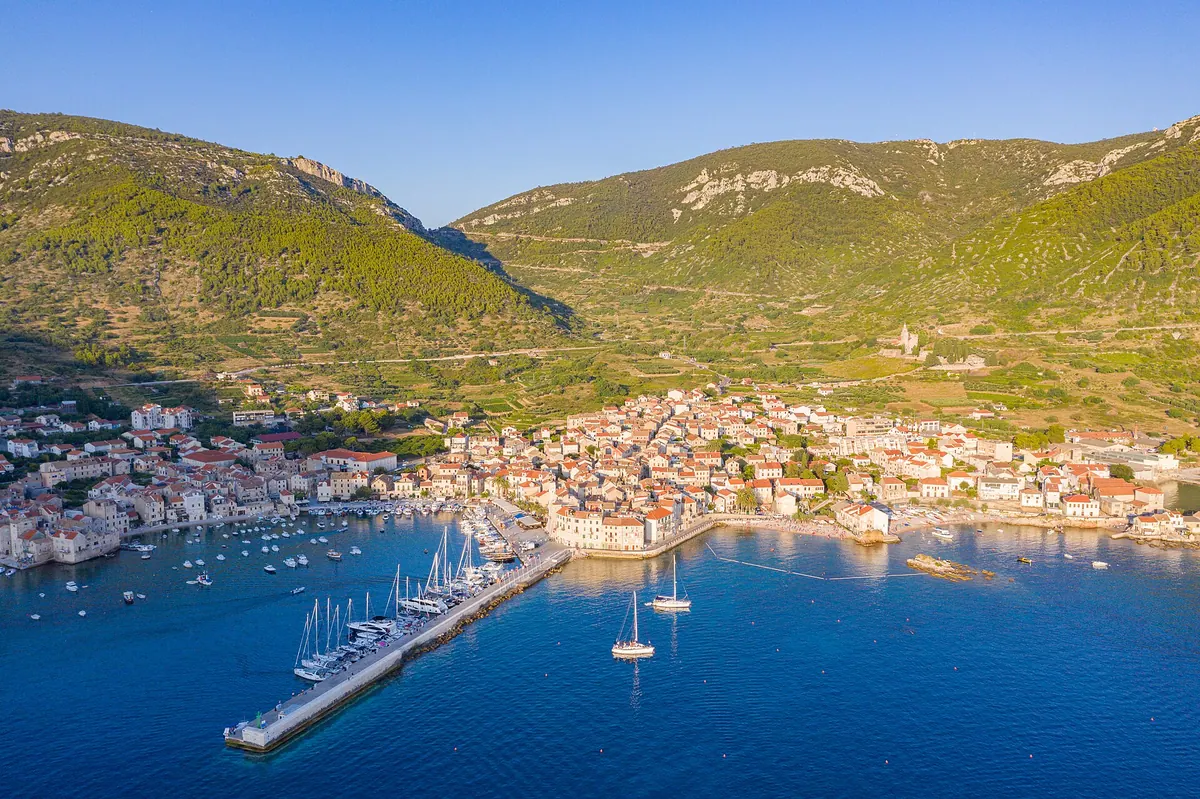
Croatia in pictures
Dive sites
Baron Gautsch
- Level: Advanced1
Cultural Heritage Dive Sites
- Diving where cultural goods lie (wrecks, antiquities) is allowed only with diving centres holding a Ministry of Culture and Media permit; 34 diving locations currently have permits (Programme 2024-2029)2
Kobila
Peltastis
- Level: Open water1
Teti
Vasilios
- Level: Advanced1
- Croatian National Tourist Board (HTZ), "Diving" brochure, 2015 edition, read 2026-11-22
- Government of Croatia, gov.hr (Ministry of Culture and Media), read 2026-11-20
Questions about diving in Croatia
Do you need a permit to dive in Croatia?
Yes, for individual diving. It is an authorisation from any Harbourmaster's Office, costs 318.53 EUR and is valid for one year from issue. Organised diving is for members of registered diving centres or associations.
Can you dive Croatian wrecks without a special permit?
Not where cultural goods lie. Wrecks and archaeological sites need a Ministry of Culture and Media permit, and only permit-holding diving centres may organise those dives. 34 locations currently have permits.
How warm is the sea in Croatia in summer?
Monthly averages reach 24.2 °C (76 °F) in July and 24.8 °C (77 °F) in August. In June the average is 21.9 °C (71 °F).
Not found yet: getting there, what it costs, snorkelling and learning. We add facts once there is an official or published source. See every dive destination, or read about diving safety and how the site is paid for.