Diving in Ireland
Sea temperatures of 9–16 °C (49–60 °F) through the year, and 10 facts from official sources, each with the date we read it. 1 more come from dive operators' and magazines' reports and say so.
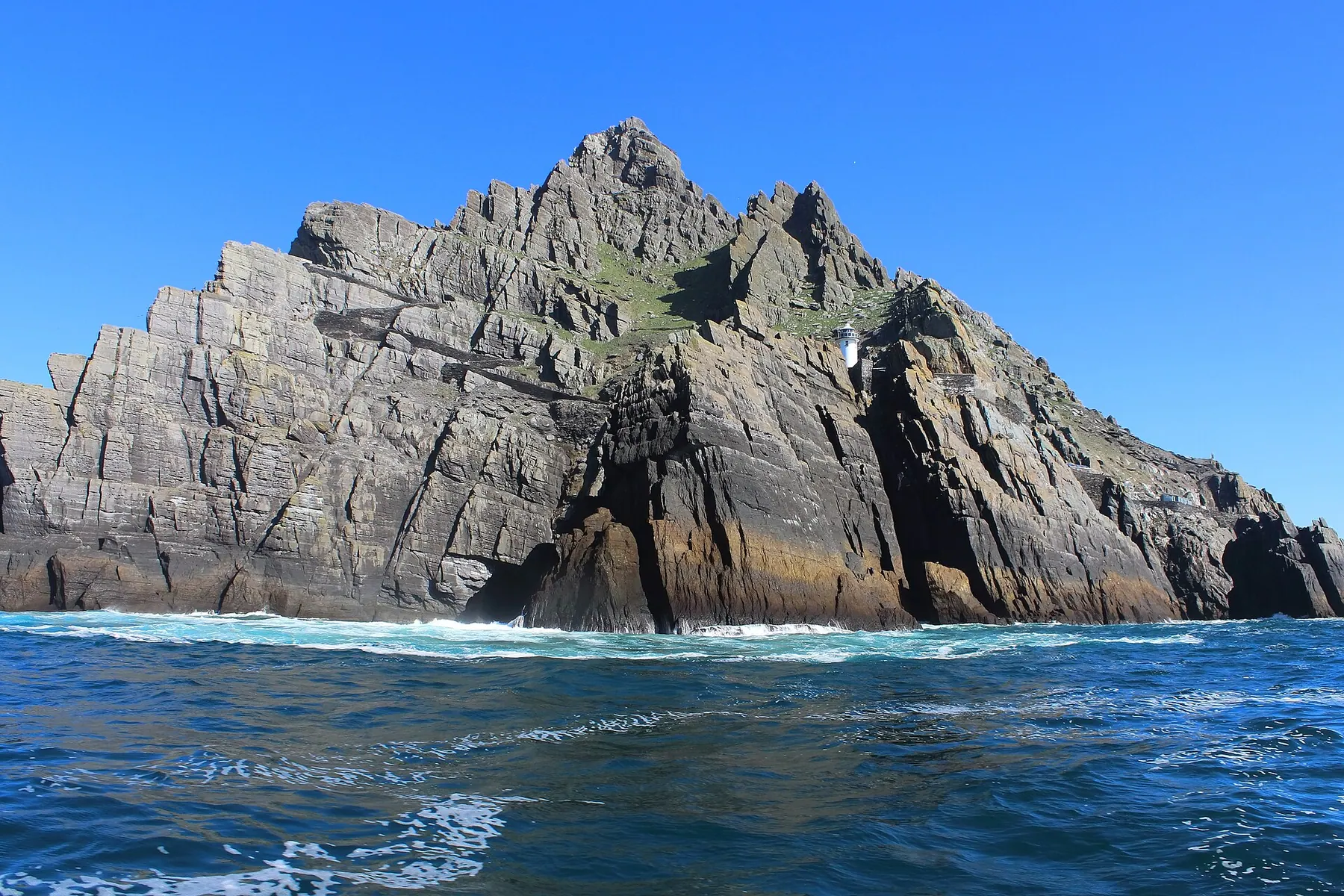
Overview
Irish water is cold, about 8 °C (46 °F) in winter and about 16 °C (61 °F) in summer. Monthly averages run from 9.3 °C (49 °F) in February to 15.6 °C (60 °F) in August.
Diving here means shore, boat, wreck, kelp and deep technical wreck dives. Kelp beds reach about 15 m (50 ft), while many of the best wrecks lie deeper than 61 m (200 ft). Visibility is usually 5-15 m (15-50 ft) and sometimes more than 30 m (100 ft).
June to September brings the best weather, with calmer seas and access to better sites. The trade-off is plankton, which can reduce visibility and is more likely from June to August. The North Atlantic is wild and unpredictable, but sheltered sites are always diveable.
Basking sharks are seen off Ireland from April through September, arriving on the south-west coast in spring. Blue sharks come from the south in summer.
Summary drafted with AI from the sourced facts below; not yet reviewed by John R. Each figure here appears, with its source, further down the page.
Not yet checked by a person. Each fact shows its source: an official page, or a dive operator's or magazine's report where it says so. Rules and fees change: check with the authority and your dive operator before you go. In an emergency: DAN hotlines. How we check facts. Spotted a mistake? corrections@divehomebase.com.
- Sea temperature
- 9.3–15.6 °C / 49–60 °F
- NOAA OISST, monthly average 1991–2020
Sea temperature by month
Average sea surface temperature near Ireland, 1991–2020. Deeper water and bays can be cooler. Best months for diving depend on more than temperature; we add them when a published source gives them.
- Jan9.7 °C / 50 °F
- Feb9.3 °C / 49 °F
- Mar9.3 °C / 49 °F
- Apr10.0 °C / 50 °F
- May11.5 °C / 53 °F
- Jun13.7 °C / 57 °F
- Jul15.1 °C / 59 °F
- Aug15.6 °C / 60 °F
- Sep14.9 °C / 59 °F
- Oct13.5 °C / 56 °F
- Nov11.8 °C / 53 °F
- Dec10.6 °C / 51 °F
Marine life and conservation
Most often reported: basking shark (Apr–Sep).
Sightings are likelihoods, not promises.
- Basking sharks are seen off Ireland from April through September, arriving on the south-west coast in spring (most often seen: Apr–Sep)1
- Basking sharks arrive on the south-west coast in spring and move north; blue sharks come from the south in summer (reported: Jun–Aug)1
- Divers Alert Network, Alert Diver (N. Motyer), read 2026-11-22 · read through a summary
When to go
Best months: June-September.
Seasons are averages: weather in any one year can differ. Storm seasons come from the national or regional weather agency.
- Best months: June-September (weather); plankton blooms more likely June-August1
- Dry season: Least rain February-June; rainfall and cloud increase from late June/early July; October-November frontal rain moderate to heavy2
- Hurricane season: Late summer to autumn: rare severe storms from former tropical depressions (Aug–Nov)2
- Wind and sea: North Atlantic can be wild and unpredictable; sheltered sites always diveable1
- Divers Alert Network (Alert Diver), read 2026-11-22
- Met Eireann, read 2026-11-22
Snorkelling and learning
- Snorkelling: Partly1
- Divernet (dive magazine), read 2026-11-22 · operator or magazine report
Conditions
Visibility usually 15 to 50 ft.
- Best months: June-September (weather); plankton blooms more likely June-August1
- Usual deepest: 15 m / 50 ft ft1
- Diving: Shore, boat, wreck, kelp, cold-water, deep technical wrecks1
- Visibility: Usually 15 to 50 ft (about 5-15 m), sometimes more than 100 ft (30 m)1
- Divers Alert Network (Alert Diver), read 2026-11-22
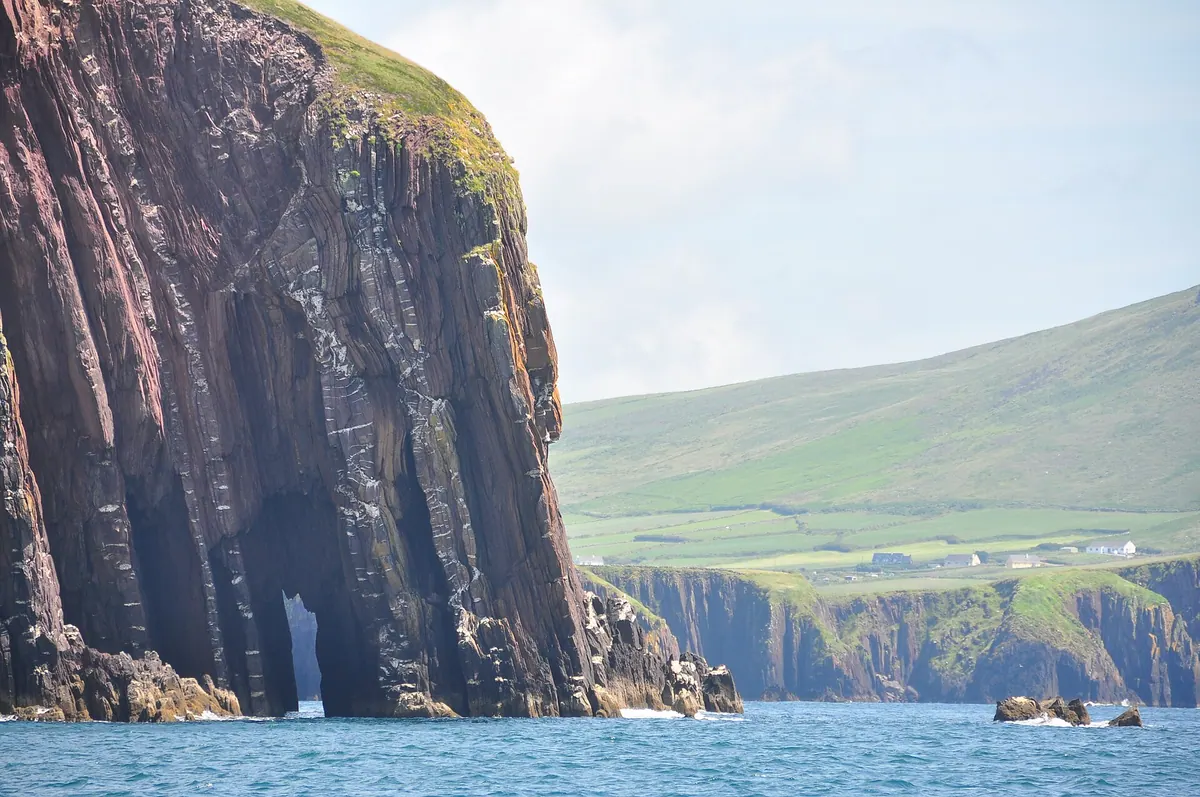
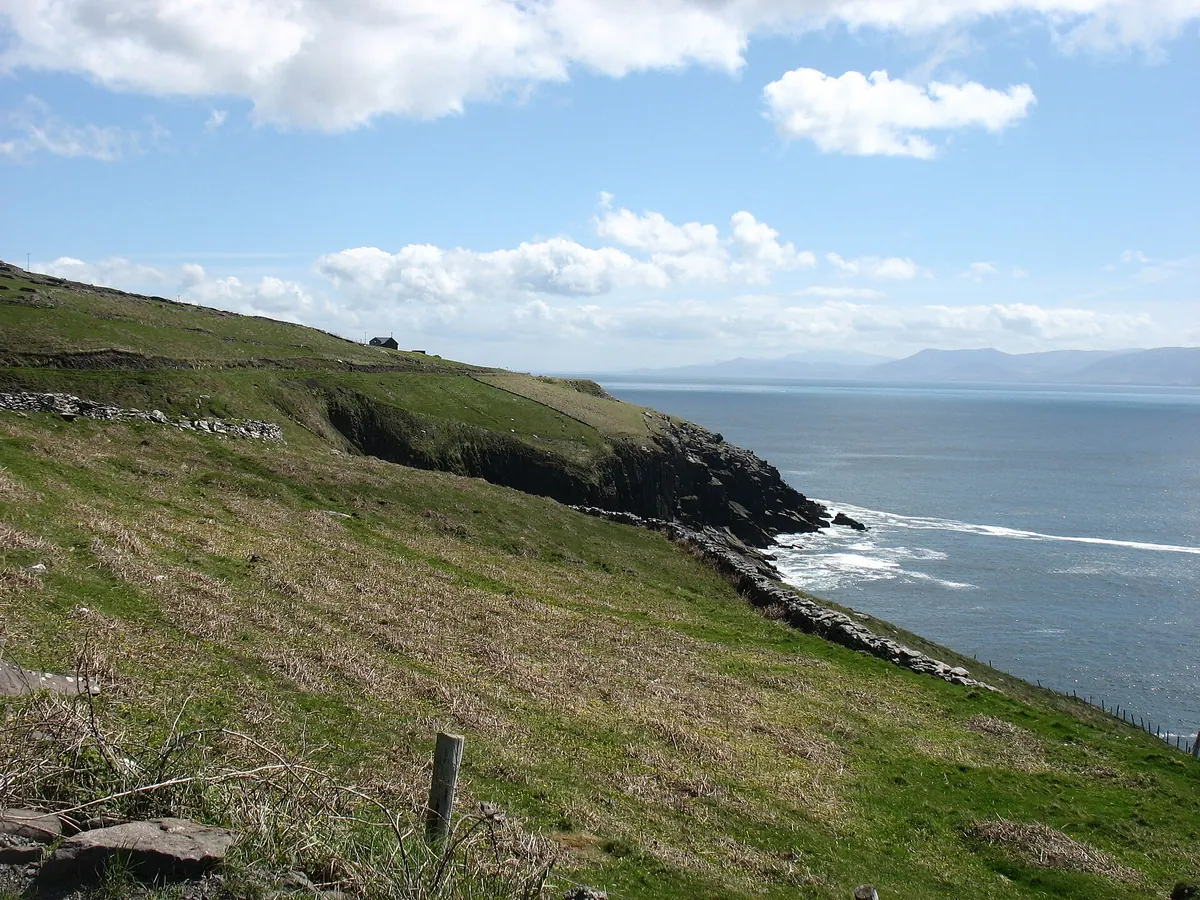
Ireland in pictures
Questions about diving in Ireland
When can you see basking sharks in Ireland?
From April through September. They arrive on the south-west coast in spring and move north.
How cold is the water when diving in Ireland?
About 8 °C (46 °F) in winter and about 16 °C (61 °F) in summer.
What is the visibility like in Ireland?
Usually 5-15 m (15-50 ft), and sometimes more than 30 m (100 ft). Plankton blooms, most likely from June to August, can reduce it.
Not found yet: getting there, what it costs, an official diving level. We add facts once there is an official or published source. See every dive destination, or read about diving safety and how the site is paid for.