Diving in Tubbataha Reefs
Sea temperatures of 27–30 °C (81–86 °F) through the year, and 20 facts from official sources, each with the date we read it. 6 more come from dive operators' and magazines' reports and say so.

Overview
Tubbataha Reefs is dived by liveaboard only, and there are no facilities in the park. Boats leave from Puerto Princesa and the crossing takes 10-12 hours. The natural park was established in 1988 and became a UNESCO World Heritage Site in 1993.
Park authorities designate mid-March to mid-June as the season, for calmer weather between the monsoons. Outside it the crossing can be rough, and on one early-March trip 6-foot swells closed sites. In season, visibility is 24-37 m (80-120 ft) and water 25.6-29.4 °C (78-85 °F).
Grey reef and whitetip reef sharks are reported daily in season, and tiger sharks are listed among the park's sharks, with no months. Whale sharks and mantas are said to be best at Delsan Wreck in April and May.
Visitor entry costs 5,000 PHP per person and the divemaster rate is 500 PHP, with the permit and fee paid before entering the park. A drone permit is required, and divemasters are banned from carrying a camera or video. Only accredited liveaboards run commercial trips, for 5-7 days or longer if the permit states it.
Summary drafted with AI from the sourced facts below; not yet reviewed by John R. Each figure here appears, with its source, further down the page.
Not yet checked by a person. Each fact shows its source: an official page, or a dive operator's or magazine's report where it says so. Rules and fees change: check with the authority and your dive operator before you go. In an emergency: DAN hotlines. How we check facts. Spotted a mistake? corrections@divehomebase.com.
- Sea temperature
- 27.3–29.8 °C / 81–86 °F
- NOAA OISST, monthly average 1991–2020
Sea temperature by month
Average sea surface temperature near Tubbataha Reefs, 1991–2020. Deeper water and bays can be cooler. Best months for diving depend on more than temperature; we add them when a published source gives them.
- Jan27.5 °C / 82 °F
- Feb27.3 °C / 81 °F
- Mar27.9 °C / 82 °F
- Apr29.0 °C / 84 °F
- May29.8 °C / 86 °F
- Jun29.6 °C / 85 °F
- Jul29.2 °C / 84 °F
- Aug29.0 °C / 84 °F
- Sep29.1 °C / 84 °F
- Oct29.1 °C / 84 °F
- Nov28.9 °C / 84 °F
- Dec28.4 °C / 83 °F
Fees and permits
Divers pay 5,000 PHP.
- Boats: 5,500 (100 GT and below); 8,250 (101-200 GT); 11,000 (201 GT and above)1
- Park fee: 500 PHP (Divemaster rate)1
- Tubbataha Management Office, read 2026-11-22
Rules for divers
Set by the park or national authority. Breaking them can mean fines or losing your dive permit.
- Visitor Entry Permit and conservation fee must be paid before entering the park; fees in Philippine currency; drone permit required; divemasters banned from carrying camera/video1
- Tubbataha Management Office, read 2026-11-22
Marine life and conservation
Most often reported: grey reef shark (Mar–Jun), whitetip reef shark (Mar–Jun), tiger shark.
Sightings are likelihoods, not promises.
- Protection: Natural park established 1988; UNESCO World Heritage Site since 19931
- Grey reef and whitetip reef sharks encountered daily in season (mid-Mar to mid-Jun) (most often seen: Mar–Jun)2
- Tiger sharks listed among the park's sharks; no months, frequency unknown3
- Whitetip reef sharks daily in season. Scientific name from general knowledge, not WoRMS-checked (most often seen: Mar–Jun)2
- Divers Alert Network (Alert Diver), read 2026-11-22
- liveaboard.com, read 2026-11-22 · operator or magazine report
- Bluewater Dive Travel, read 2026-11-22 · operator or magazine report
When to go
Best months: Mid-March to mid-June.
Seasons are averages: weather in any one year can differ. Storm seasons come from the national or regional weather agency.
- Best months: Mid-March to mid-June (park authorities' designated season); May reported as calm with clear water by DAN author1
- Cyclone season: May to November (western North Pacific, including the Philippines); storms can occur in any month2
- Liveaboard season: Mid-March to mid-June (three months), designated by park authorities for calmer weather1
- Southwest monsoon (Habagat) May to September; northeast monsoon (Amihan) October to late March3
- Dry November to April, wet the rest of the year (west Palawan, Climate Type I)3
- Wind and sea: Rough open-ocean crossing outside the designated season; one early-March trip met 6-foot swells and closed sites1
- Divers Alert Network (Alert Diver), read 2026-11-22
- PAGASA, read 2026-11-22
- Philippine Institute for Development Studies (government research institute, summarising PAGASA), read 2026-11-22
Snorkelling and learning
- Snorkelling: Partly1
- Bluewater Dive Travel, read 2026-11-22 · operator or magazine report
Getting there
Fly to Puerto Princesa.
- Fly to Puerto Princesa, then 10-12 hours by sea on a liveaboard1
- Nearest airport: Puerto Princesa2
- Transfer: 10-12 hours by liveaboard from Puerto Princesa1
- Route: Fly to Puerto Princesa, then 10-12 hours by sea on a liveaboard1
- Tubbataha Management Office (TMO), Tubbataha Reefs Natural Park, read 2026-11-20
- Divers Alert Network (Alert Diver), read 2026-11-22
What it costs
Prices are what the operator or authority published, with the date; they change. We don't sell trips and no price here is paid placement.
- Liveaboard trip: 1000-4000+ per trip (varies by boat and number of dive days) USD1
- Park fees for a trip: Visitor entry 5,000 PHP per person per permit; vessel fee paid by the operator; divemaster 500 PHP2
- Tubbataha Management Office, read 2026-11-22
- Tubbataha Management Office, read 2026-11-22
Conditions
Visibility 24–37 m / 80–120 ft.
- Access: Liveaboard only1
- Best months: Mid-March to mid-June (park authorities' designated season); May reported as calm with clear water by DAN author2
- Diving: Liveaboard3
- Fly to Puerto Princesa, then 10-12 hours by sea on a liveaboard3
- Liveaboard season: Mid-March to mid-June (three months), designated by park authorities for calmer weather2
- Visibility: 24–37 m / 80–120 ft (Mar–Jun)2
- Visibility: 20–45 m / 65–150 ft4
- Bluewater Dive Travel, read 2026-11-22 · operator or magazine report
- Divers Alert Network (Alert Diver), read 2026-11-22
- Tubbataha Management Office, read 2026-11-22
- liveaboard.com, read 2026-11-22 · operator or magazine report
Tubbataha Reefs in pictures
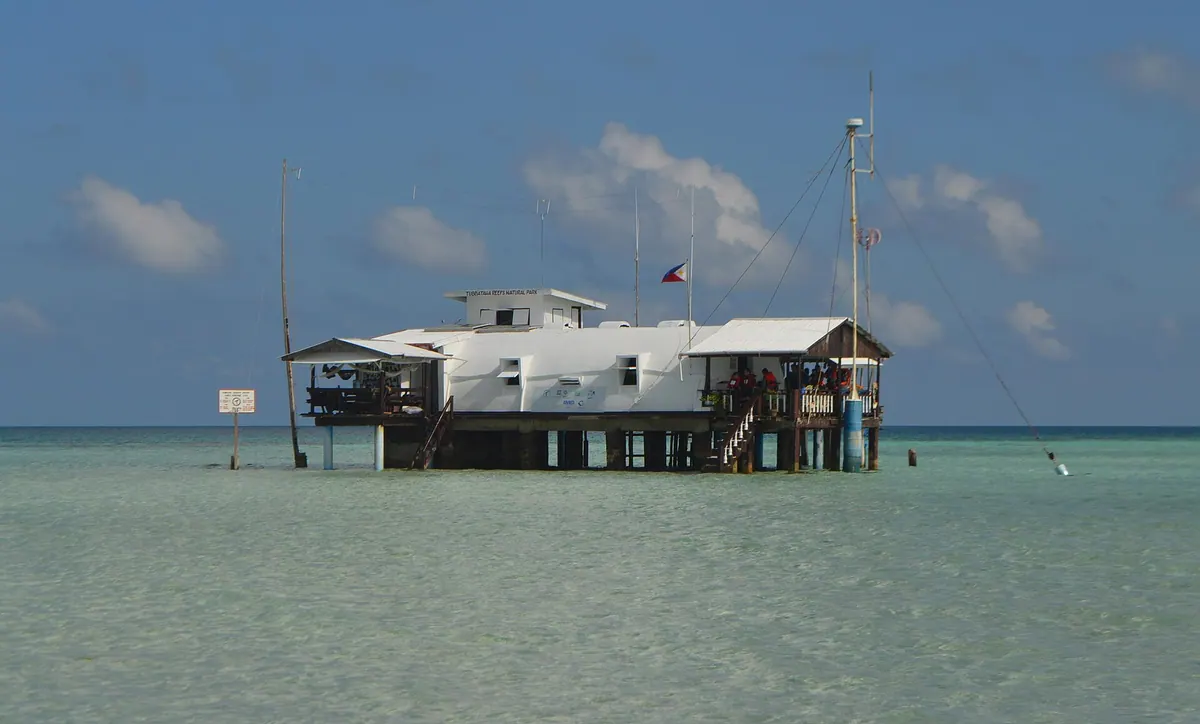
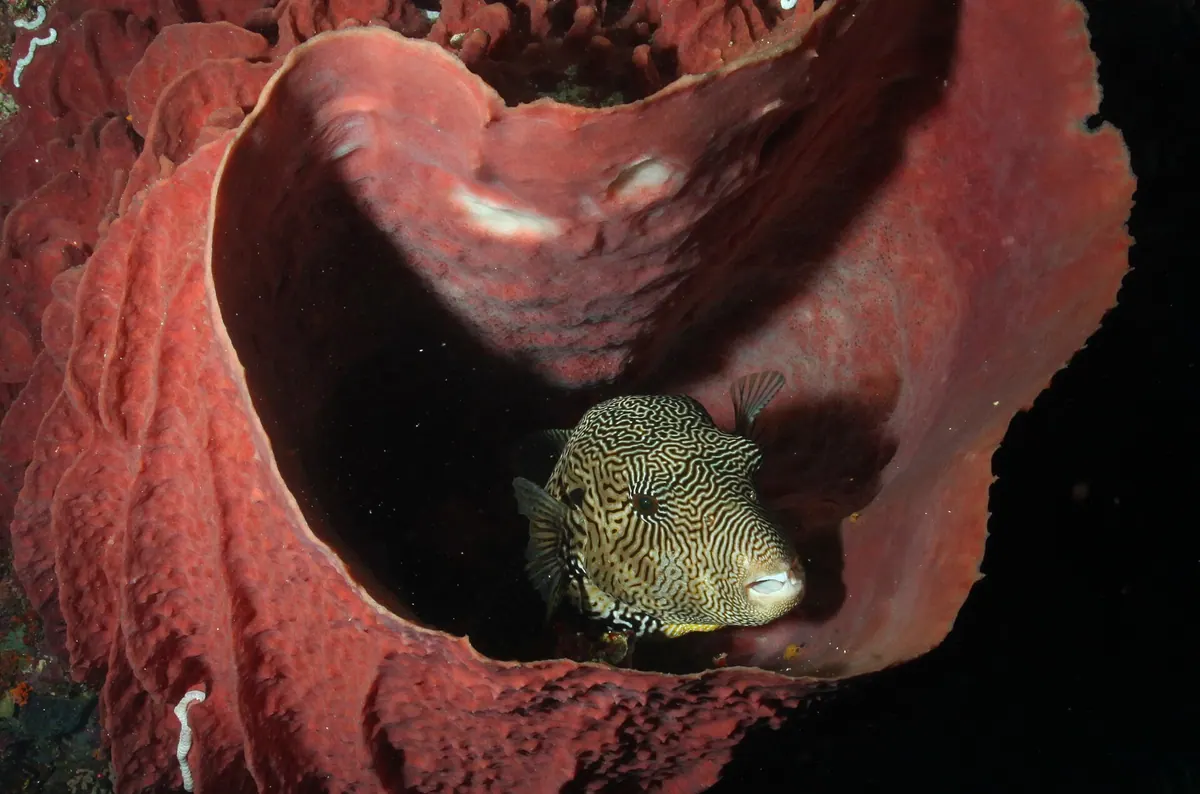
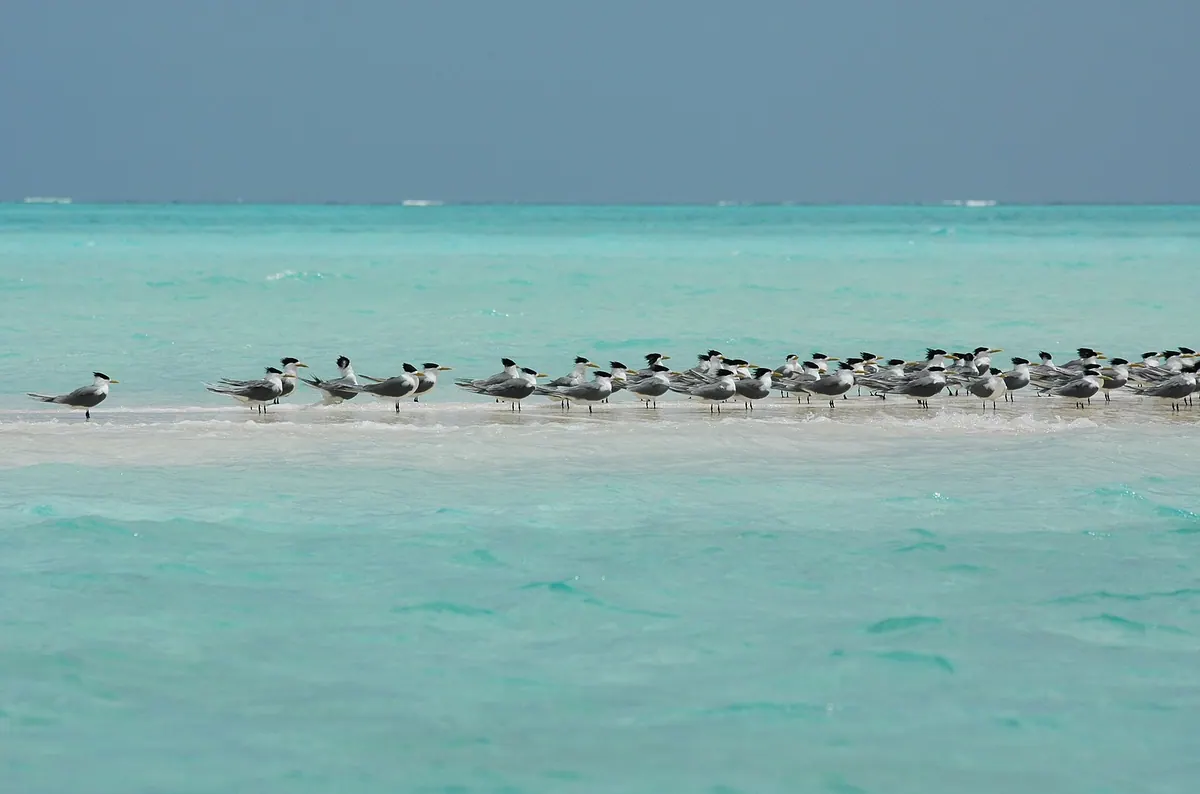
Dive sites
Delsan Wreck
Tubbataha Reefs
- Entry permits for all entrants issued by the Tubbataha Management Office; only accredited liveaboards (permits secured) run commercial trips; commercial stays 5-7 days or longer if stated on the permit; private non-commercial boats limited to 7 days2
- liveaboard.com, read 2026-11-22 · operator or magazine report
- Tubbataha Protected Area Management Board / Tubbataha Management Office, read 2026-11-20
Questions about diving in Tubbataha Reefs
When is the Tubbataha diving season?
Mid-March to mid-June, which the park authorities designate for calmer weather, according to DAN. March and June are partial months, and the season edges can be rough.
How much is the Tubbataha park fee?
Visitor entry is 5,000 PHP per person per permit, and children 12 and under are exempt, according to the Tubbataha Management Office. The vessel fee is listed separately and paid by the operator.
How much does a Tubbataha liveaboard cost?
Trips run 1,000-4,000+ USD, depending on the boat and the number of dive days, according to the Tubbataha Management Office. Its page is undated.
Can you dive Tubbataha without a liveaboard?
No. All trips are by liveaboard, and there are no facilities in the park. Snorkelling is listed as partly possible, with no named snorkel spot.
Not found yet: an official diving level. We add facts once there is an official or published source. See every dive destination, or read about diving safety and how the site is paid for.