Diving in Aqaba
Sea temperatures of 21–28 °C (71–82 °F) through the year, and 12 facts from official sources, each with the date we read it. 1 more come from dive operators' and magazines' reports and say so.
Overview
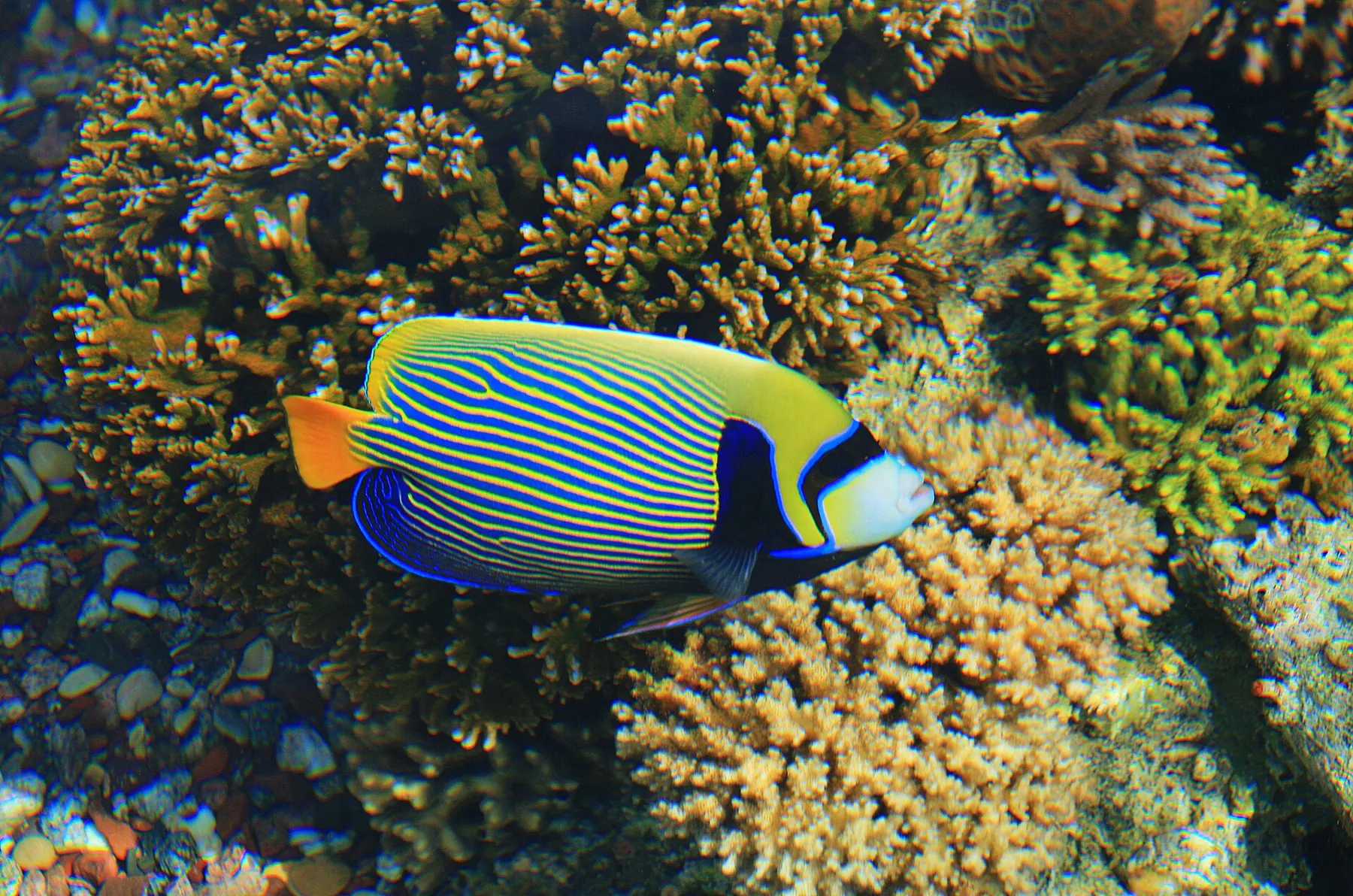
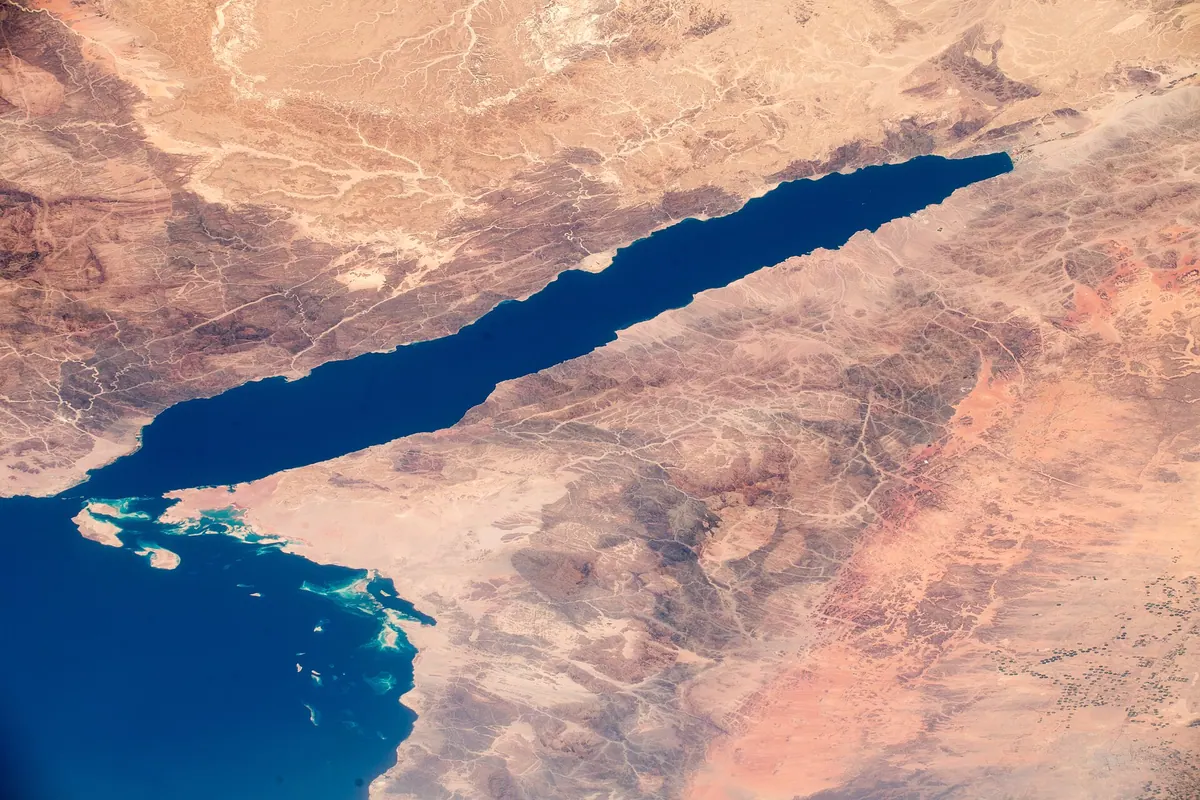
Most of Aqaba's dive sites lie inside Jordan's first marine reserve, declared by the cabinet in December 2020 and managed by ASEZA, the Aqaba Special Economic Zone Authority. More than 80 percent of dive sites lie within the proposed reserve. It builds on the Aqaba Marine Park set up in 1997 and is listed as IUCN Category VI.
About 30 diving centres operate, and ASEZA issues them annual permits. Diving is regulated by Instruction No. 85 of 2005, covering licensing, registration, entry points and fishing during dives. Instruction 83 of 2005 bans all fishing, including collecting coloured reef fish. Taking organisms, sediment or corals needs a special permit from the chief commissioner. Hunting, harming sea creatures and littering are also prohibited.
ASEZA's management plan rates Gorgone I as beginner-friendly for shore and boat diving, and a sunken M42 Duster tank for learners and beginners. The Tayoung, a crane barge wreck, is rated for experienced or technical divers. The Cedar Pride freighter was scuttled in 1985 and lies on its port side across two reefs, down to 26 m (85 ft), reached from shore or by boat. Green and hawksbill turtles use the reserve's waters.
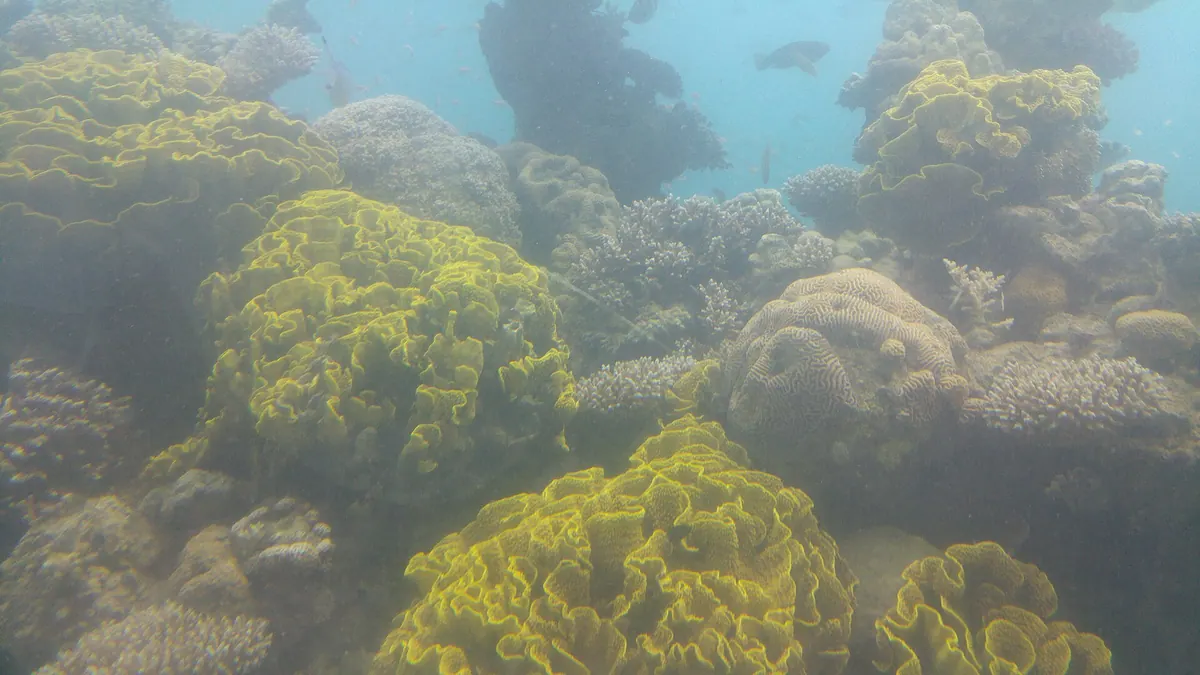
Winds blow mainly from the north all year. Rainfall is low, and flash floods are a growing problem. Water averages 21.4 °C (71 °F) in February and 27.7 °C (82 °F) in August. Bleaching has not hit the reefs so far, though the management plan warns that events are increasing. It gives no year or severity.
Summary drafted with AI from the sourced facts below; not yet reviewed by John R. Each figure here appears, with its source, further down the page.
Not yet checked by a person. Each fact shows its source: an official page, or a dive operator's or magazine's report where it says so. Rules and fees change: check with the authority and your dive operator before you go. In an emergency: DAN hotlines. How we check facts. Spotted a mistake? corrections@divehomebase.com.
- Sea temperature
- 21.4–27.7 °C / 71–82 °F
- NOAA OISST, monthly average 1991–2020
Sea temperature by month
Average sea surface temperature near Aqaba, 1991–2020. Deeper water and bays can be cooler. Best months for diving depend on more than temperature; we add them when a published source gives them.
- Jan22.0 °C / 72 °F
- Feb21.4 °C / 71 °F
- Mar21.4 °C / 70 °F
- Apr21.9 °C / 72 °F
- May23.6 °C / 74 °F
- Jun25.2 °C / 77 °F
- Jul26.8 °C / 80 °F
- Aug27.7 °C / 82 °F
- Sep26.8 °C / 80 °F
- Oct25.8 °C / 78 °F
- Nov24.5 °C / 76 °F
- Dec23.1 °C / 74 °F
Rules for divers
Among them: Instruction 83 of 2005; and 3 more below.
Set by the park or national authority. Breaking them can mean fines or losing your dive permit.
- Instruction 83 of 2005 (entrance into the marine park) bans all fishing, including collecting coloured reef fish, and bars taking organisms, sediment or corals without a special permit from the chief commissioner. Instructions 84, 85 and 86 of 2005 cover boats, diving (licensing, entry points) and clean-up dives; their text was not read1
- Legal basis: Regulation No. 22 of 2001 for the Aqaba Marine Park, issued under Article 56(E) of the ASEZ Law No. 32 of 20002
- Instructions: Diving is regulated by Instruction No. 85 of 2005 (licensing, registration, entry points, fishing during dives); boats by Instruction No. 84 of 2005; entry and sports activities by No. 83 of 2005; underwater clean-ups by No. 86 of 2005; marine sports licensing by No. 161 of 20141
- Not allowed: Prohibited: hunting, transferring or harming sea creatures; taking shells, coral, rocks or sediment without a permit from the Chief Commissioner; littering; driving on the beach and camping outside designated areas without a permit; polluting2
- ASEZA / UNDP, Aqaba Marine Reserve Management Plan 2022-2026, read 2026-11-22
- ASEZA regulation as published by FAOLEX (FAO legal database), read 2026-11-20
Marine life and conservation
Most often reported: green turtle.
Sightings are likelihoods, not promises.
- Coral bleaching: Plan says reefs had to date been unaffected by bleaching, yet its threat table says bleaching events are now increasing; no year or severity given1
- Protection: IUCN protected-area Category VI (as stated in the plan)1
- Protection: Aqaba Marine Reserve: declared by ASEZA Board of Commissioners decision No. 38 (2020); declared by the Jordan cabinet as the first marine reserve in Jordan in December 2020; managed by ASEZA; IUCN Category VI. Builds on the Aqaba Marine Park set up in 1997 (By-Law 22 of 2001)1
- Green and hawksbill turtles use the waters of the Aqaba Marine Reserve2
- ASEZA / UNDP, Aqaba Marine Reserve Management Plan 2022-2026, read 2026-11-22
- Aqaba Special Economic Zone Authority (ASEZA), read 2026-11-22 · read through a summary
When to go
Rainy season: Rainfall in the Aqaba area is 50-100 mm per year.
Seasons are averages: weather in any one year can differ. Storm seasons come from the national or regional weather agency.
- Rainy season: Rainfall in the Aqaba area is 50-100 mm per year (arid); flash floods are a growing problem1
- Wind and sea: Predominant wind and wave direction from the north1
- Wind and sea: Winds mainly from the north all year; waves and swell in the northern Red Sea in winter normally under 2 m (as far south as 20 N), occasionally above 2 m (Dec–Feb)1
- ASEZA / UNDP, Aqaba Marine Reserve Management Plan 2022-2026, read 2026-11-22
Getting there
- Nearest airport: King Hussein International Airport (AQJ), in a northern suburb of Aqaba1
- Wikipedia (reference), read 2026-11-22 · operator or magazine report
Other facts
- Operators count: About 30 diving centres; more than 80 percent of dive sites lie within the proposed reserve; ASEZA issues annual permits to dive centres1
- ASEZA (Aqaba Marine Reserve Management Plan 2022-2026), read 2026-11-20
Aqaba in pictures
Dive sites
Cedar Pride
- Former Lebanese freighter scuttled 1985 about 150 m offshore on its port side, maximum depth 26 m, across two reefs; marked by surface buoy; shore or boat access1
Gorgone I
- Level: Beginner-friendly (shore and boat, max 18 m)1
Tank
- Level: Learners and beginner divers (sunken M42 Duster tank, 6 m)1
Tayoung
- Level: Experienced / technical divers (crane barge wreck Tayoung)1
- ASEZA (Aqaba Marine Reserve Management Plan 2022-2026), read 2026-11-20
Questions about diving in Aqaba
Is fishing or collecting allowed when diving in Aqaba?
No. Instruction 83 of 2005 bans all fishing, including collecting coloured reef fish. Taking organisms, sediment or corals needs a special permit from the chief commissioner.
Are there turtles in Aqaba?
Yes. Green and hawksbill turtles use the waters of the Aqaba Marine Reserve.
How warm is the water in Aqaba?
Monthly averages run from 21.4 °C (71 °F) in February to 27.7 °C (82 °F) in August.
Not found yet: what it costs, snorkelling and learning, an official diving level. We add facts once there is an official or published source. See every dive destination, or read about diving safety and how the site is paid for.