Diving in Bahamas
Sea temperatures of 24–29 °C (76–85 °F) through the year, and 11 facts from official sources, each with the date we read it.
Overview
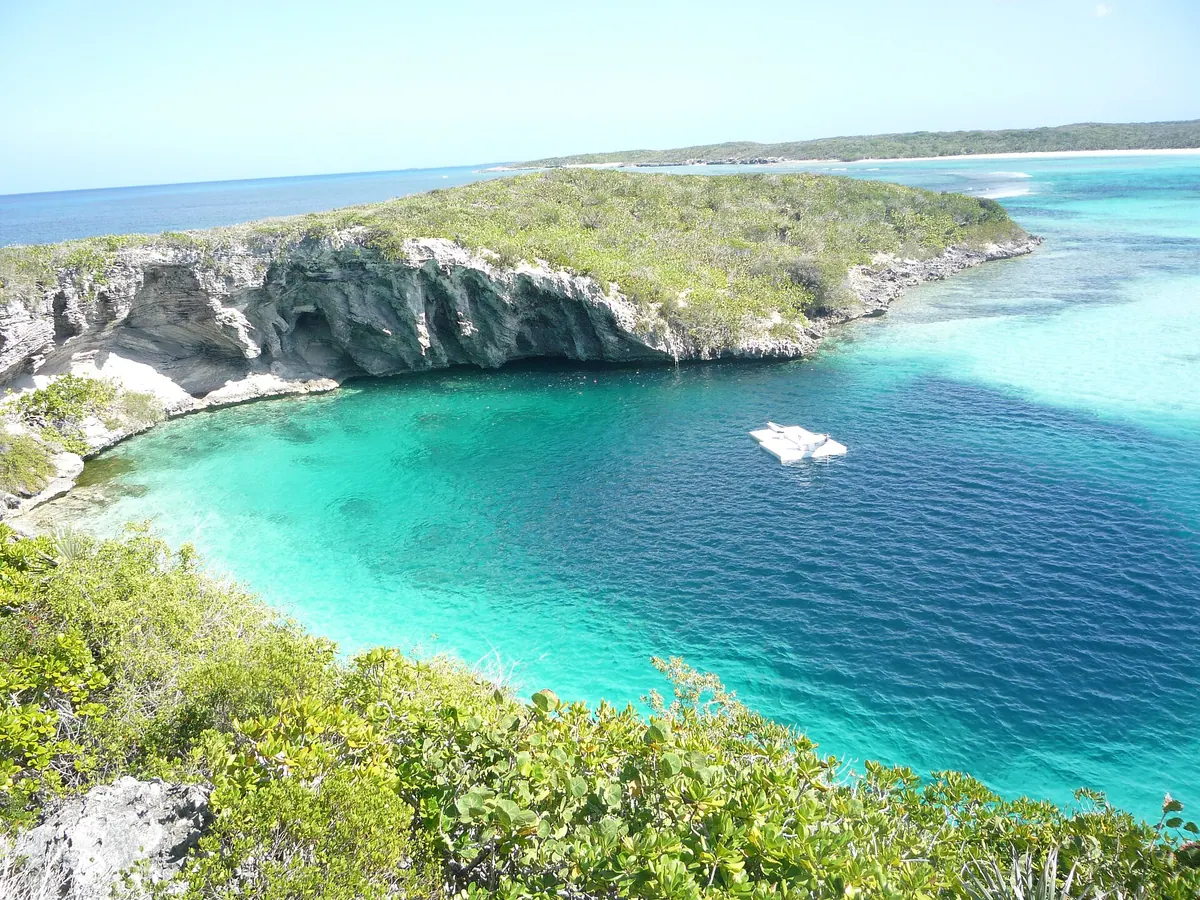
Walls, blue holes, wrecks, shark dives and drift dives are all on offer, along with liveaboards. Most trips start with a flight to Nassau, then a connecting flight or private charter to the Out Islands.
No numeric certification level is set, and sites carry no individual levels. The tourism ministry advises bringing a certification card and logbook, and taking a local refresher if out of practice.
The sea averages 24 °C (76 °F) in February and 29 °C (85 °F) in August. Wetsuits run from 3-5 mm in January to March down to none from June to August. Visibility is put at 46-61 m (150-200 ft), though another guide gives an average of 18 m (60 ft).
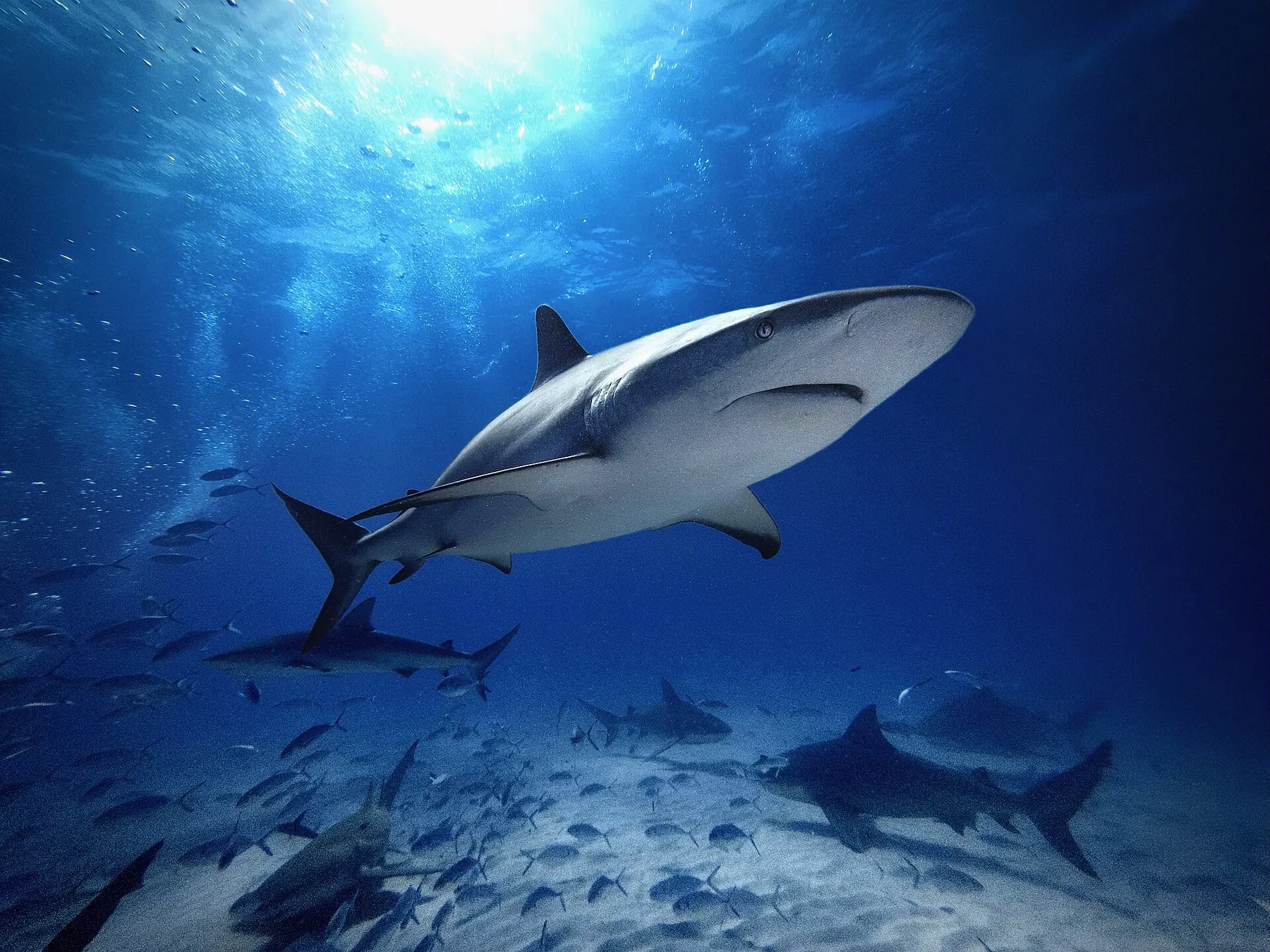
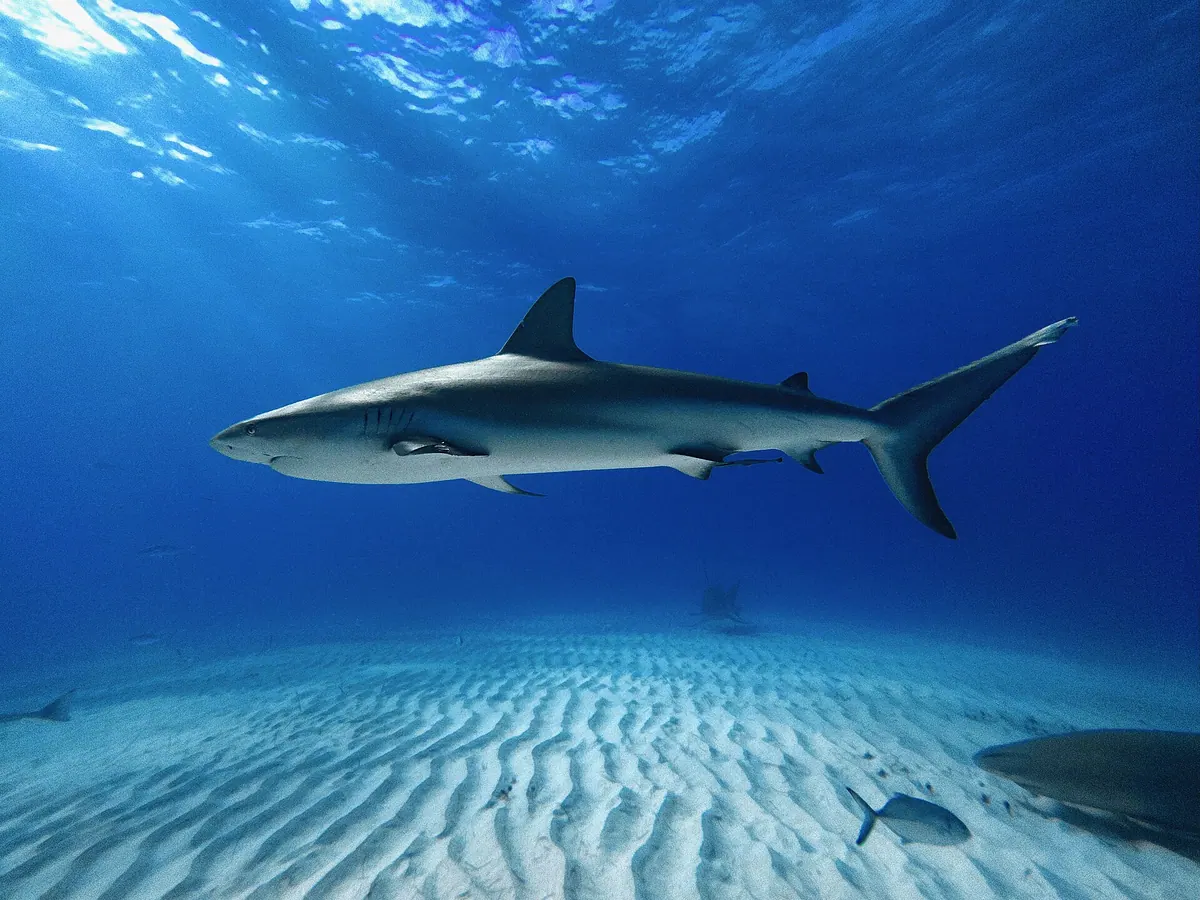
Great hammerheads are most often seen off Bimini from December to March. From May to October they turn up only sporadically, and the hammerhead dives close. Tiger sharks are reported at Tiger Beach all year with a winter peak, and reef sharks show up on Nassau shark dives.
The Bahamas Dive Association advises using member operators that follow approved shark-interaction guidelines, and cautions against shark diving with non-members. That is an industry guideline rather than a government permit. Hurricane season runs from 1 June to 30 November, though local risk differs.
Summary drafted with AI from the sourced facts below; not yet reviewed by John R. Each figure here appears, with its source, further down the page.
Not yet checked by a person. Each fact shows its source: an official page, or a dive operator's or magazine's report where it says so. Rules and fees change: check with the authority and your dive operator before you go. In an emergency: DAN hotlines. How we check facts. Spotted a mistake? corrections@divehomebase.com.
- Level
- No numeric level given: bring certification card and logbook; take a local refresher if out of practice
- Ministry of Tourism, Investments and Aviation (bahamas.com), read 2026-11-22
- Sea temperature
- 24.2–29.4 °C / 76–85 °F
- NOAA OISST, monthly average 1991–2020
Sea temperature by month
Average sea surface temperature near Bahamas, 1991–2020. Deeper water and bays can be cooler. Best months for diving depend on more than temperature; we add them when a published source gives them.
- Jan24.5 °C / 76 °F
- Feb24.2 °C / 76 °F
- Mar24.2 °C / 76 °F
- Apr25.0 °C / 77 °F
- May26.2 °C / 79 °F
- Jun27.9 °C / 82 °F
- Jul28.9 °C / 84 °F
- Aug29.4 °C / 85 °F
- Sep29.2 °C / 84 °F
- Oct28.4 °C / 83 °F
- Nov26.8 °C / 80 °F
- Dec25.5 °C / 78 °F
Rules for divers
Among them: Wetsuit guide: Jan-Mar 3-5 mm; and 1 more below.
Set by the park or national authority. Breaking them can mean fines or losing your dive permit.
- Bahamas Dive Association cautions against shark diving with non-member operators1
- Wetsuit guide: Jan-Mar 3-5 mm; Apr-May 3 mm; Jun-Aug none; Sep-Oct 1-3 mm; Nov 3-5 mm; Dec 3-5 mm1
- Ministry of Tourism, Investments and Aviation (bahamas.com), read 2026-11-22
When to go
Seasons are averages: weather in any one year can differ. Storm seasons come from the national or regional weather agency.
- Atlantic hurricane season, 1 June to 30 November1
- Wetsuit: Jan-Mar 3 or 5 mm full suit; Apr-May 3 mm; Jun-Aug none; Sep-Oct 1-3 mm; Nov 3-5 mm; Dec 3-5 mm full2
- NOAA National Hurricane Center, read 2026-11-22
- Ministry of Tourism, Investments and Aviation (bahamas.com), read 2026-11-22
Getting there
Fly to Lynden Pindling International Airport, Nassau.
- Nearest airport: Lynden Pindling International Airport, Nassau (NAS), main gateway; 20 international airports in the country1
- Route: Fly to Nassau (NAS), then fast connecting flights or private charter to the Out Islands (Family Islands)1
- Ministry of Tourism, Investments and Aviation (bahamas.com), read 2026-11-22
Conditions
Visibility 46–61 m / 150–200 ft.
- Diving: Wall, blue hole, wreck, shark dive, drift, liveaboard1
- Avoid flying for at least 24 hours after the last dive (page's advice)2
- Visibility: 46–61 m / 150–200 ft3
- Bahamas Ministry of Tourism, read 2026-11-22 · read through a summary
- Bahamas Ministry of Tourism, read 2026-11-20
- Bahamas Ministry of Tourism, read 2026-11-22 · read through a summary
Bahamas in pictures
Dive sites
Bimini
- Great hammerheads off Bimini in winter; detected only sporadically in the wet season (May-October), when hammerhead dive operations close (most often seen: Dec–Mar)1
Nassau
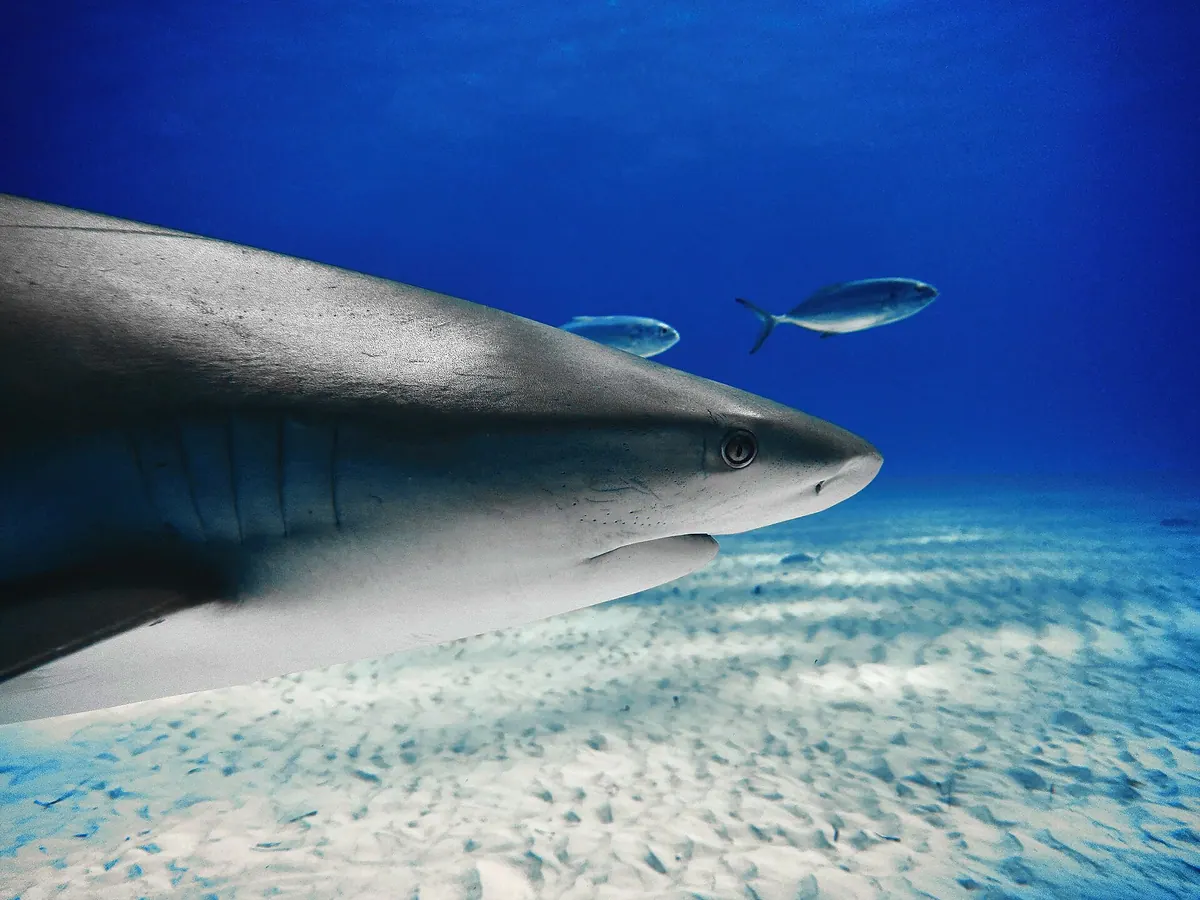
- Reef sharks on Nassau shark dives2
Tiger Beach
- Tiger sharks at Tiger Beach all year, with peak in winter; daily numbers dip in summer (most often seen: Dec–Mar)3
- Frontiers in Marine Science (2025), read 2026-11-22 · read through a summary
- Divebooker, read 2026-11-22 · operator or magazine report
- SECOORA / tiger shark tracking project, read 2026-11-22 · operator or magazine report
Questions about diving in Bahamas
Can you see hammerheads in the Bahamas?
Yes, most often off Bimini from December to March. From May to October great hammerheads are seen only sporadically there, and hammerhead dive operations close.
What wetsuit do you need in the Bahamas?
It depends on the month. The usual suggestion is 3-5 mm from January to March, 3 mm in April and May, none from June to August, and 1-3 mm in September and October. For November and December it is 3-5 mm again.
Do you need a particular certification to dive in the Bahamas?
No numeric level is set. The tourism ministry advises bringing a certification card and logbook, and taking a local refresher if you are out of practice.
Not found yet: what it costs, snorkelling and learning. We add facts once there is an official or published source. See every dive destination, or read about diving safety and how the site is paid for.