Diving in Curaçao
Sea temperatures of 26–29 °C (80–84 °F) through the year, and 20 facts from official sources, each with the date we read it. 5 more come from dive operators' and magazines' reports and say so.
Overview
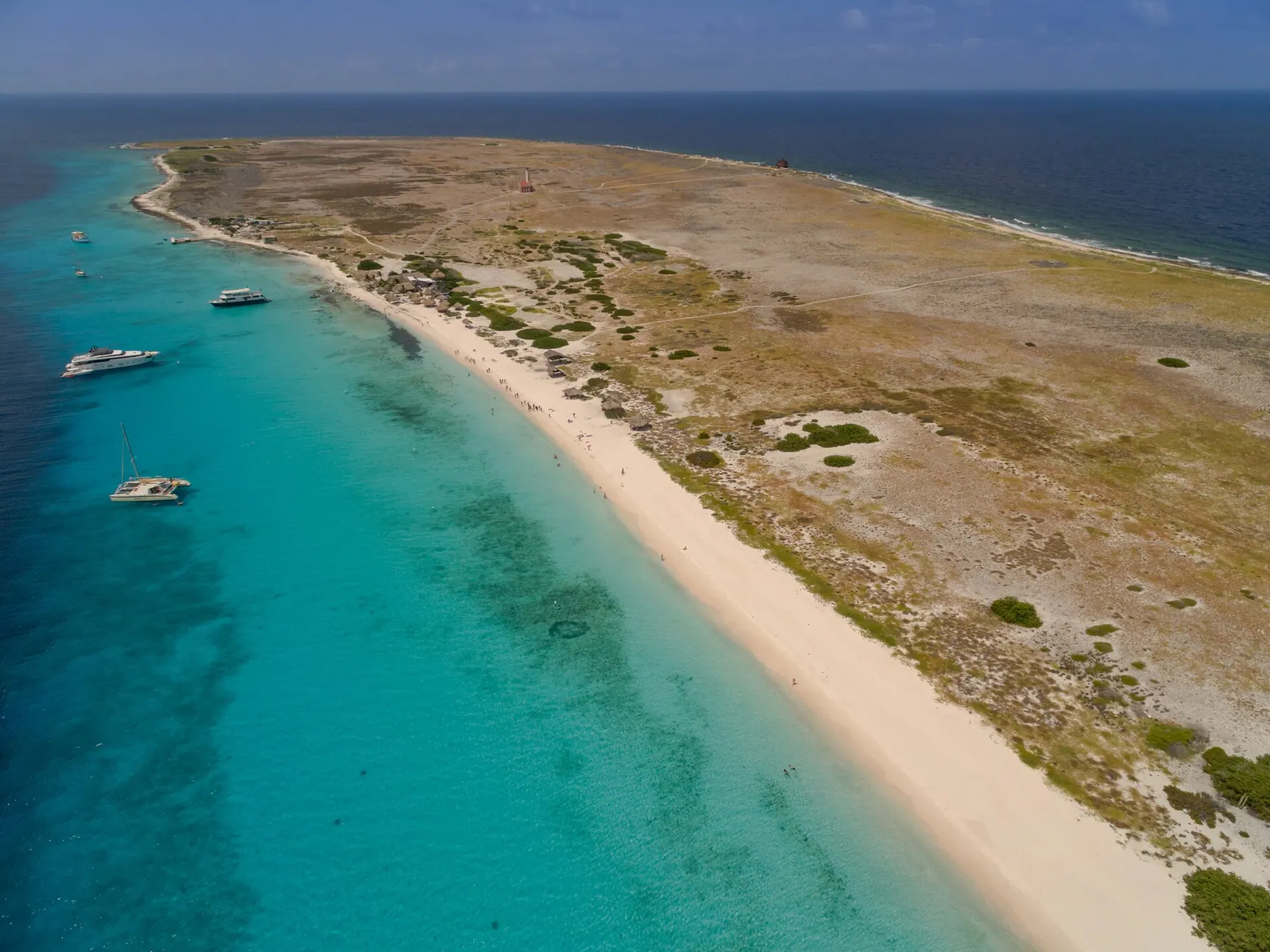
Curaçao Marine Park is a long, thin strip, about 20 km along the south coast and 100 m wide. CARMABI manages it, with coral restoration, research and work against pollution and overfishing. The park is open year-round, and no entry fee or dive tag is mentioned.
Divers can choose shore, boat, wreck, wall and reef dives. Visibility is usually 15-30 m (50-100 ft). Playa Kalki typically runs 15-28 m (49-92 ft).
The Tourist Board's standard for certified dive centres sets the rules most divers meet. Centres may not rent equipment to uncertified divers, must use a certified dive buoy throughout the dive, and must carry an oxygen kit at every site. The standard also says not to feed or touch marine life, spear or harass it (lionfish excepted), or anchor on reefs. It is voluntary, not law.
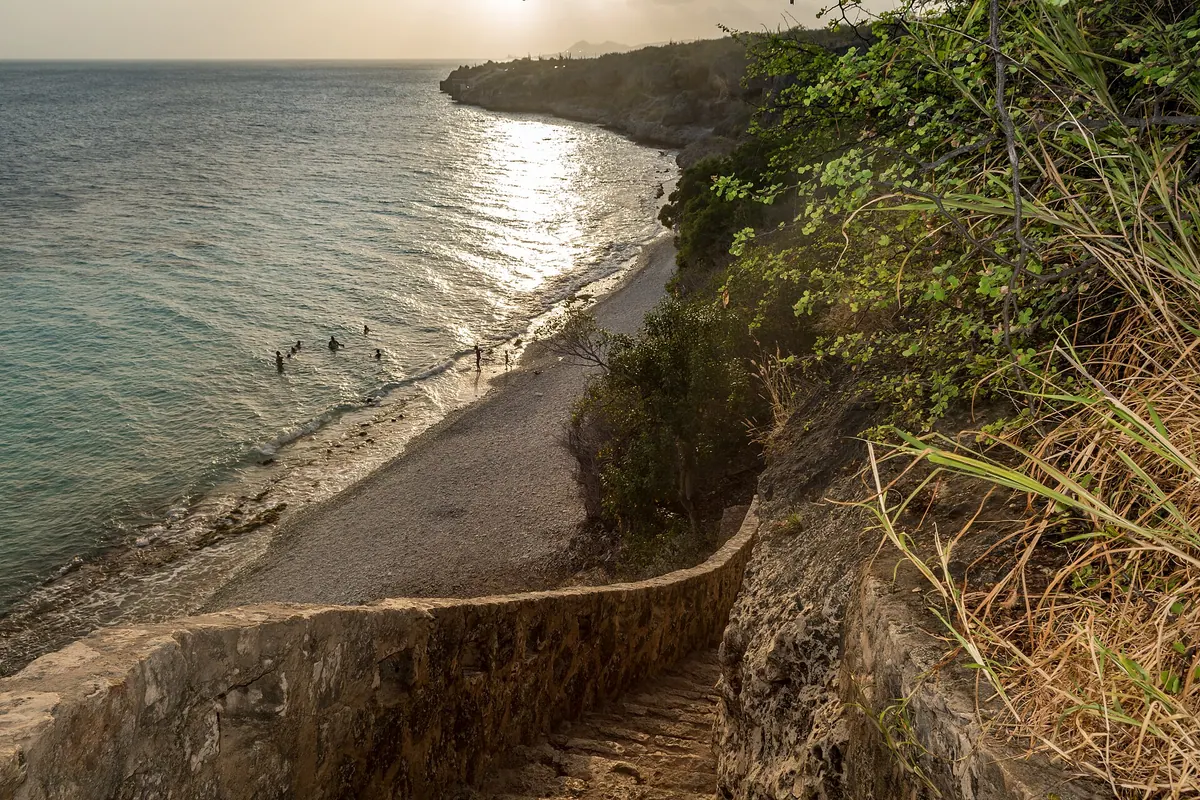
Sea turtles are the encounter most visitors hope for, and Playa Grandi (Piskado) and Playa Lagun are best known. Tarpon are regular at Tugboat, and seahorses are reported there and at Cas Abao.
Easterly trade winds blow all year. The dry season runs February to May and the rainy season October to January. Water ranges from 26.4 °C (80 °F) in February to 28.8 °C (84 °F) in October. No hurricane or tropical storm has made direct landfall on record, though a cyclone passes within 100 nautical miles about once every 11 years.
Summary drafted with AI from the sourced facts below; not yet reviewed by John R. Each figure here appears, with its source, further down the page.
Not yet checked by a person. Each fact shows its source: an official page, or a dive operator's or magazine's report where it says so. Rules and fees change: check with the authority and your dive operator before you go. In an emergency: DAN hotlines. How we check facts. Spotted a mistake? corrections@divehomebase.com.
- Sea temperature
- 26.4–28.8 °C / 80–84 °F
- NOAA OISST, monthly average 1991–2020
- Recompression chamber
- Certified centres must carry an oxygen kit with enough supply to reach a medical centre at every dive site
- Curacao Tourist Board, Quality Assurance Program for Dive Centers, read 2026-11-23
- Level required
- Guides supervising certified divers need at least Recreational Dive Supervisor; for student divers, Recreational Dive Instructor
- Curacao Tourist Board, Quality Assurance Program for Dive Centers, read 2026-11-23
Sea temperature by month
Average sea surface temperature near Curaçao, 1991–2020. Deeper water and bays can be cooler. Best months for diving depend on more than temperature; we add them when a published source gives them.
- Jan26.7 °C / 80 °F
- Feb26.4 °C / 80 °F
- Mar26.4 °C / 80 °F
- Apr26.7 °C / 80 °F
- May27.3 °C / 81 °F
- Jun27.6 °C / 82 °F
- Jul27.7 °C / 82 °F
- Aug28.3 °C / 83 °F
- Sep28.7 °C / 84 °F
- Oct28.8 °C / 84 °F
- Nov28.5 °C / 83 °F
- Dec27.6 °C / 82 °F
Rules for divers
Among them: do not feed or touch marine life; and 4 more below.
Set by the park or national authority. Breaking them can mean fines or losing your dive permit.
- Do not feed or touch marine life; the standard also tells divers not to wear gloves or touch turtles or corals1
- A certified dive buoy must be used throughout the whole dive1
- Dive centres may not rent dive equipment to non-certified divers1
- No spearing, chasing or harassing marine life, except lionfish (standard for Tourist Board certified dive centres)1
- Anchoring on reefs is prohibited except in emergencies1
- Curacao Tourist Board, Quality Assurance Program for Dive Centers, read 2026-11-23
Marine life and conservation
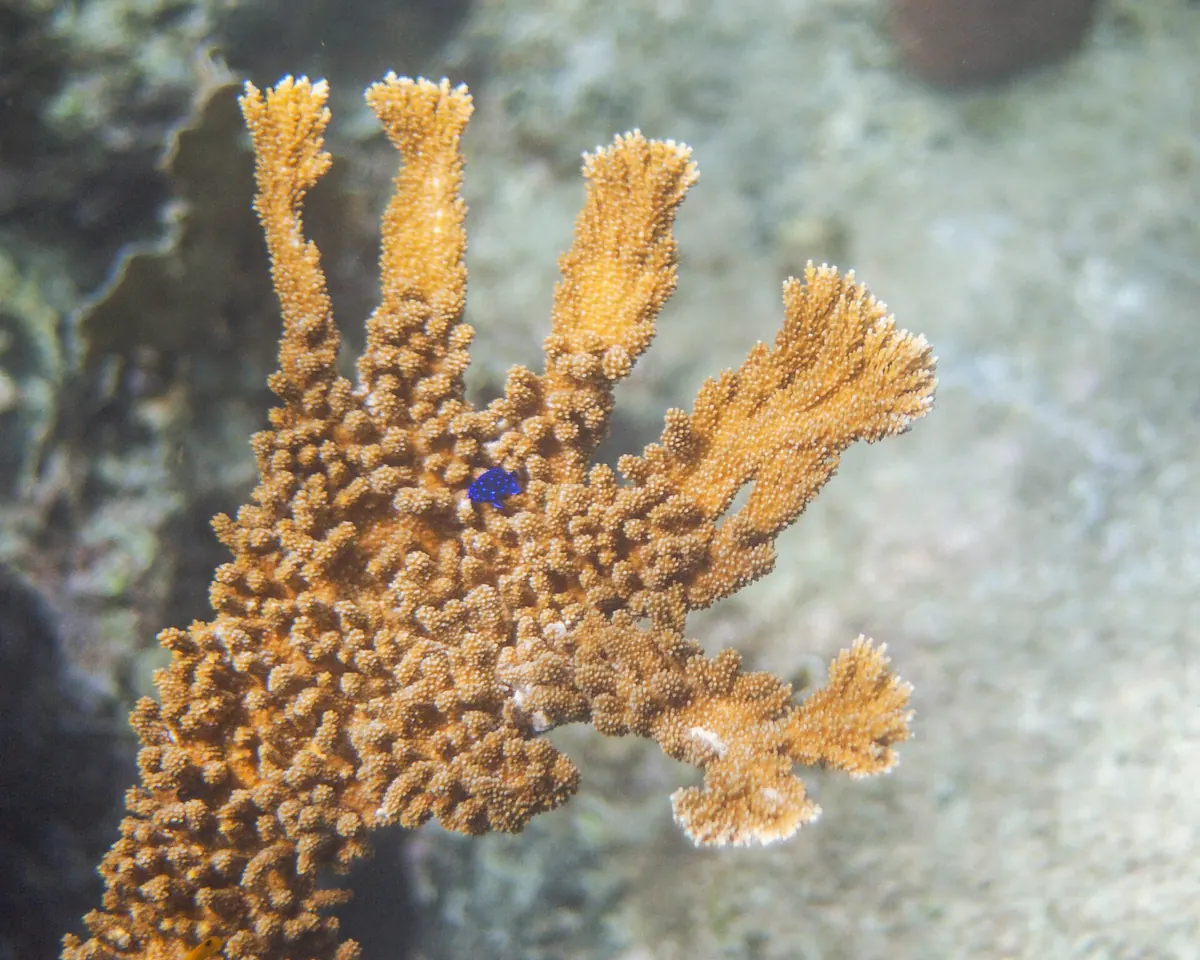
Most often reported: eagle rays, sea turtles.
Sightings are likelihoods, not promises.
- Protection: Park conservation work includes coral restoration, research and efforts against pollution and overfishing1
- Protection: Curacao Marine Park, managed by CARMABI, about 20 km long and 100 m wide along the south coast1
- Protection: Curacao Marine Park is open year-round1
- Protection: CARMABI has written management plans for the marine park, available to download1
- Eagle rays appear on several lists of common sightings in the marine park2
- Sea turtles are the encounter most guests hope for; Playa Grandi (Piskado) and Playa Lagun best known; Porto Mari noted3
- CARMABI Foundation (manager of the Curacao Marine Park), read 2026-11-23
- PADI / dive guides, read 2026-11-22 · operator or magazine report
- Islands.com / Sandals, read 2026-11-22 · operator or magazine report
When to go
Dry season February to May.
Seasons are averages: weather in any one year can differ. Storm seasons come from the national or regional weather agency.
- Hurricane season: Activity peaks August to October; direct hits relatively rare (southern edge of the hurricane region)1
- Hurricane season: No hurricane or tropical storm has made direct landfall on Curacao on record (Jun–Nov)1
- Atlantic hurricane season, 1 June to 30 November2
- Hurricane season: A tropical cyclone passes within 100 nautical miles about once every 11 years on average (Jun–Nov)1
- Dry season February to May; rainy season October to January; July to September transitional1
- Rainy season: El Nino suppresses and La Nina enhances the main rain season (October to January)1
- Wind and sea: Fresh easterly trade winds drive cold upwelling along the Venezuelan coast1
- Wind and sea: Sustained moderate to fresh easterly trade winds all year1
- Meteorological Department Curacao, read 2026-11-22
- NOAA National Hurricane Center, read 2026-11-22
Snorkelling and learning
- Snorkelling: Yes1
- KLM travel guide, read 2026-11-22 · operator or magazine report
Getting there
- Nearest airport: Curacao International Airport (CUR), single 3,400 m runway, about a twenty-minute ride to Willemstad (Punda)1
- Curacao International Airport, read 2026-11-23
Conditions
Visibility 15–30 m / 50–100 ft.
- PADI, read 2026-11-22 · operator or magazine report
- Bluewater Dive Travel, read 2026-11-22 · operator or magazine report
Curaçao in pictures
Dive sites
- DiveIn, read 2026-11-22 · operator or magazine report
- Sandals blog, read 2026-11-22 · operator or magazine report
- KLM travel guide / Sandals, read 2026-11-22 · operator or magazine report
Questions about diving in Curaçao
Does Curaçao get hurricanes?
Direct hits are rare. No hurricane or tropical storm has made direct landfall on record, and activity peaks from August to October. The Atlantic season runs 1 June to 30 November.
Is there a fee to dive in Curaçao Marine Park?
None is mentioned. The park is open year-round, and its manager lists no entry fee or dive tag.
Can you rent dive gear in Curaçao without a certification card?
No. Certified dive centres may not rent equipment to uncertified divers, so expect a card check.
Is Curaçao good for snorkelling?
Yes. Shore sites at Tugboat, Playa Piskado, Playa Lagun and Porto Mari suit snorkellers.
Not found yet: what it costs, an official diving level. We add facts once there is an official or published source. See every dive destination, or read about diving safety and how the site is paid for.