Diving in Cocos Island
Sea temperatures of 27–29 °C (80–85 °F) through the year, and 19 facts from official sources, each with the date we read it. 1 more come from dive operators' and magazines' reports and say so.
Overview
Cocos Island lies more than 480 km (300 mi) offshore, a crossing of about 30 hours from mainland Costa Rica. There are no day boats, so every trip is a liveaboard. The dives are mostly pinnacle and cleaning-station dives, and drift conditions are common.
DAN recommends intermediate to advanced divers and says the island is not for new divers. Currents and surge are strong, and divers are expected to hold on to rocks. Alcyone is typically 27 m (90 ft) deep and Submerged Rock 21 m (70 ft).
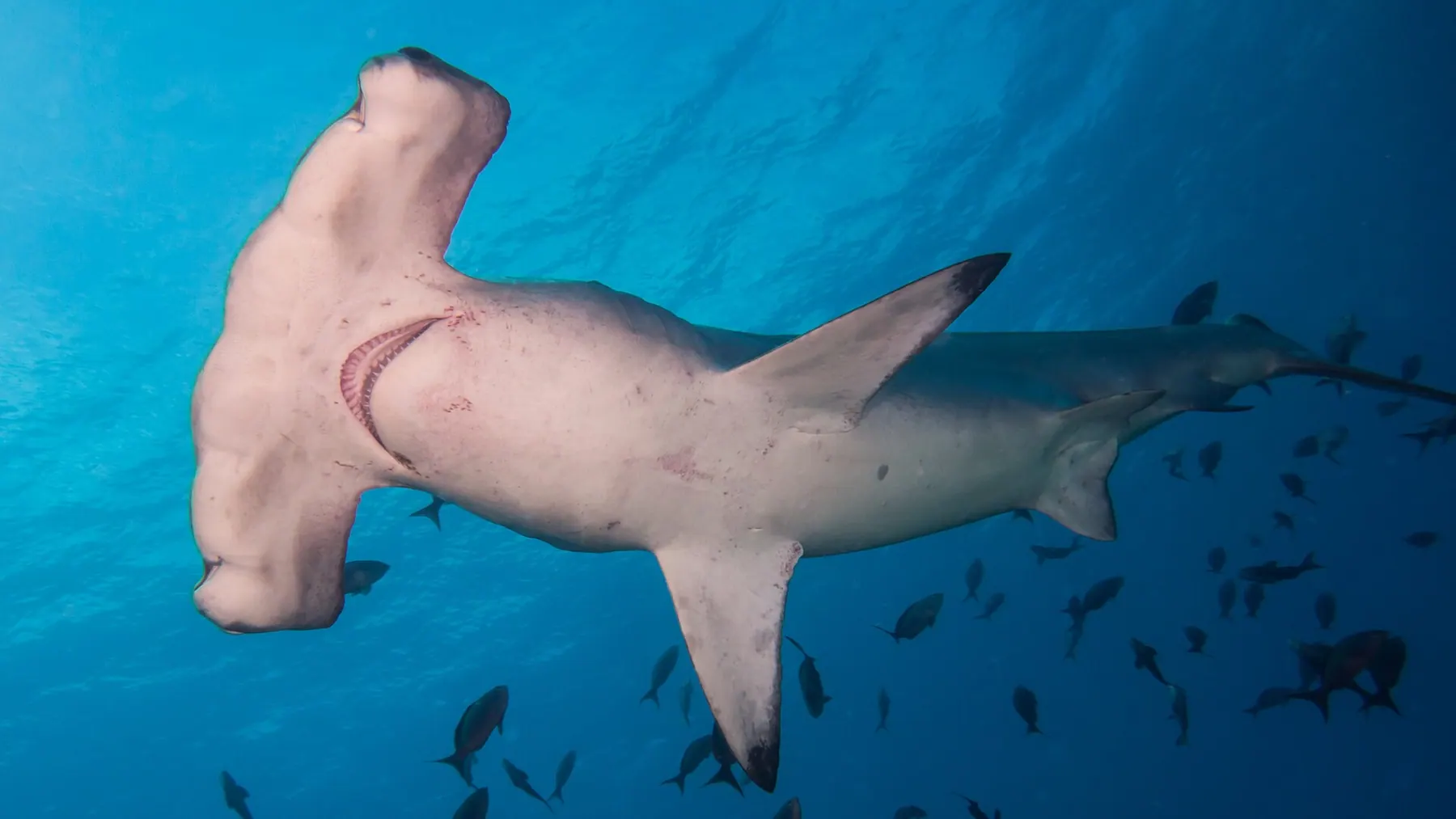
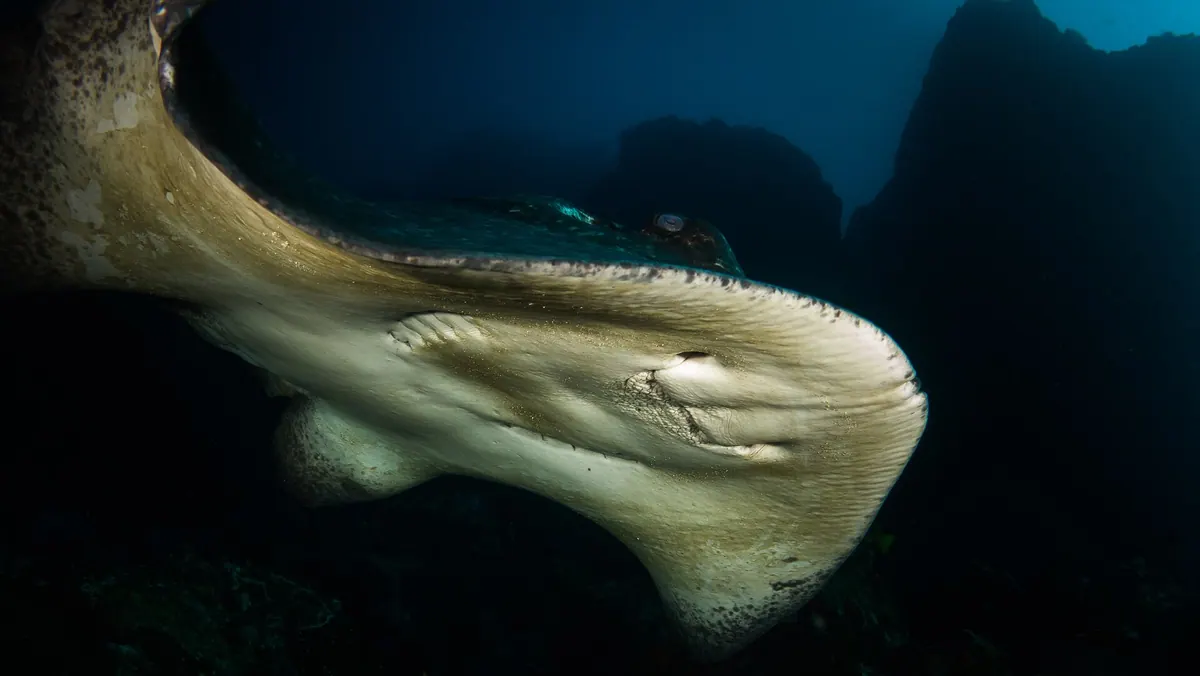
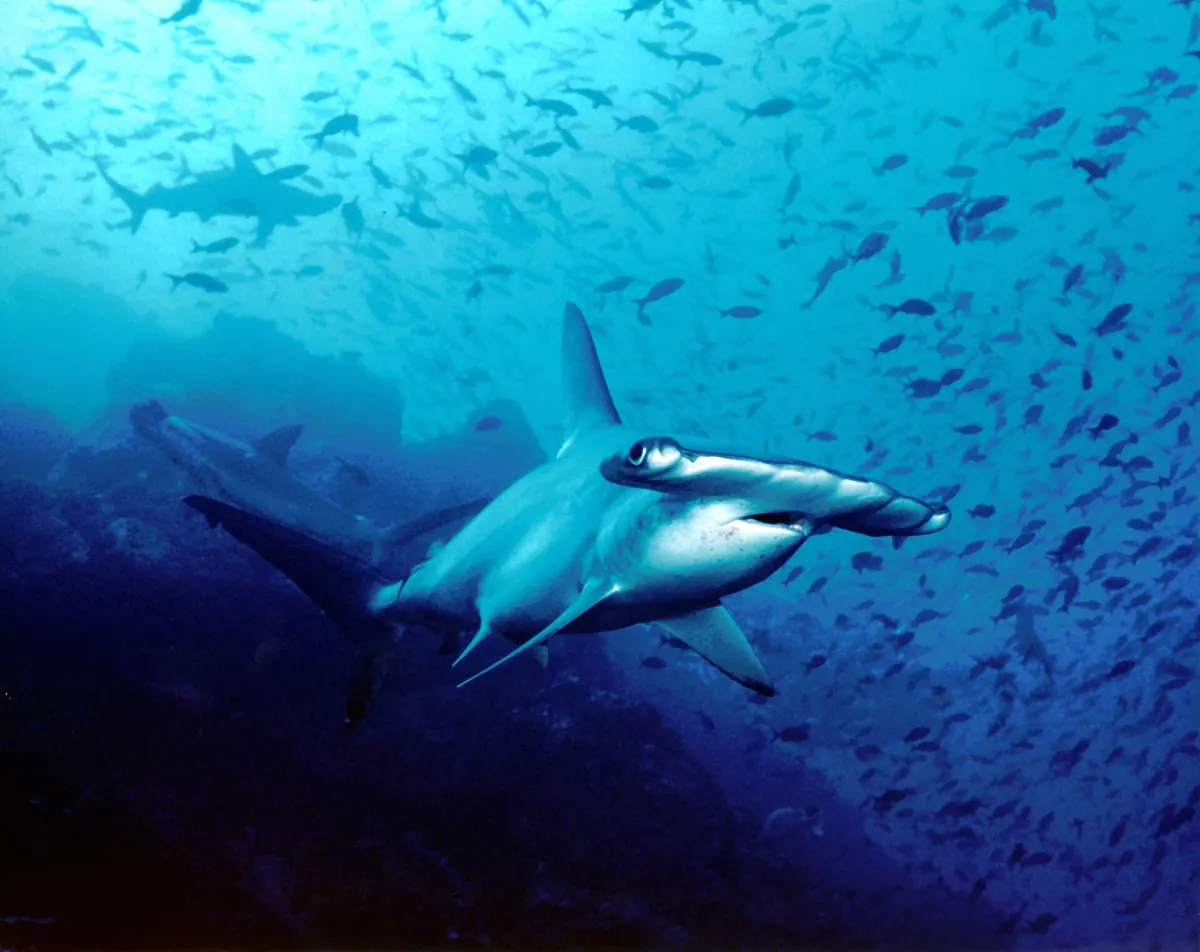
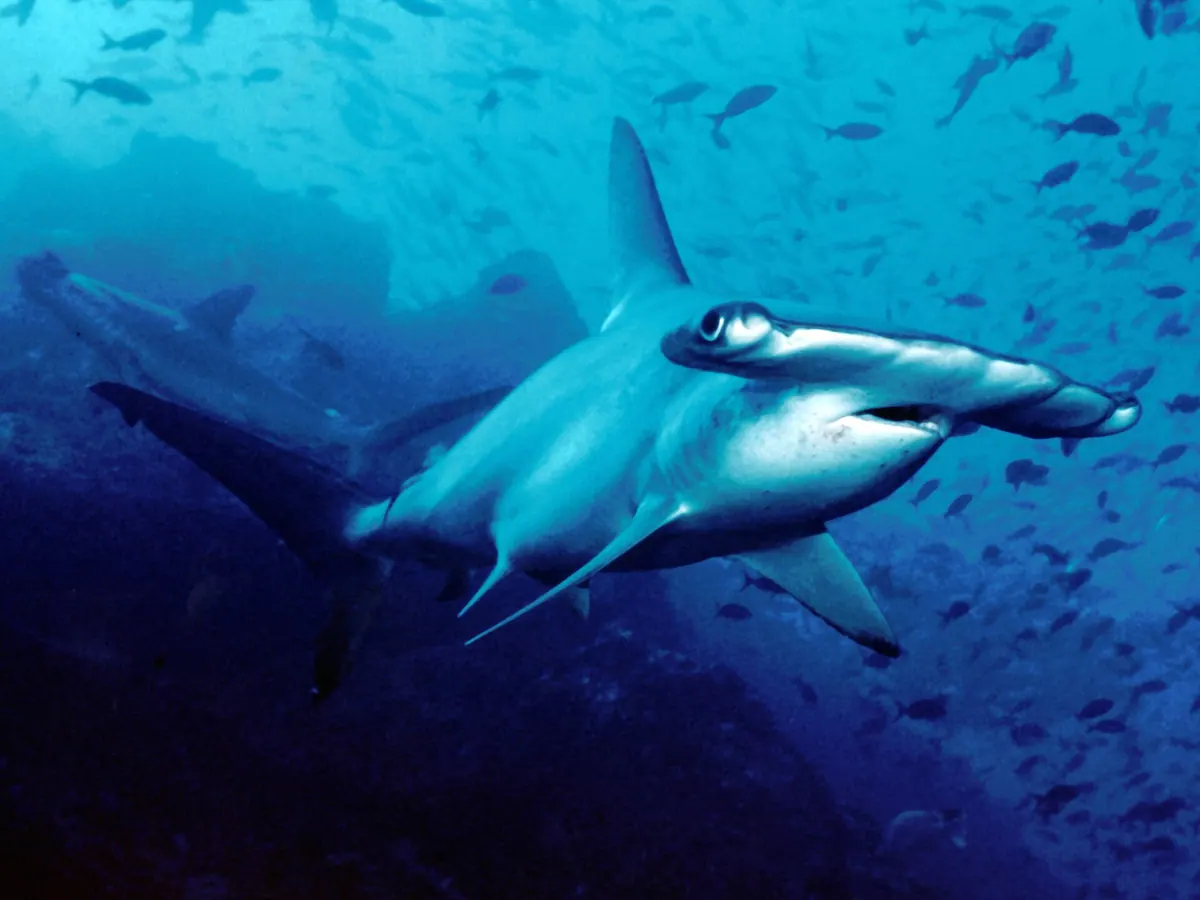
Whitetip reef sharks are a staple of Cocos dives, and silky and Galapagos sharks are regularly seen. Hammerheads gather in schools of hundreds at cleaning stations such as Manuelita and Dos Amigos, and some veterans prefer July to December. Tiger sharks and whale sharks turn up occasionally.
The island is a national park and a UNESCO World Heritage Site. A 2014 decree sets the park fee at USD 50 per day for non-residents. Operators fold the fee into the trip price, listing USD 490 per person plus 13% VAT for 10 nights on one boat. Divers must be accredited, and scuba is banned at bait balls.
Seas are calm from January to June and rougher from July to December, when the crossing can also be rough. The water is 26.7 °C (80 °F) in November and 29.4 °C (85 °F) in March.
Summary drafted with AI from the sourced facts below; not yet reviewed by John R. Each figure here appears, with its source, further down the page.
Not yet checked by a person. Each fact shows its source: an official page, or a dive operator's or magazine's report where it says so. Rules and fees change: check with the authority and your dive operator before you go. In an emergency: DAN hotlines. How we check facts. Spotted a mistake? corrections@divehomebase.com.
- Park fee
- 50 USD (Non-residents US$50 per day, residents US$25 per day, valid 3 months after publication in La Gaceta (decree dated 15 Jan 2014))
- SINAC / MINAE, Decreto Ejecutivo 38295-MINAE (copy on isladelcoco.go.cr, the park's own site), Art. 6, read 2026-11-20
- Sea temperature
- 26.7–29.4 °C / 80–85 °F
- NOAA OISST, monthly average 1991–2020
Sea temperature by month
Average sea surface temperature near Cocos Island, 1991–2020. Deeper water and bays can be cooler. Best months for diving depend on more than temperature; we add them when a published source gives them.
- Jan27.9 °C / 82 °F
- Feb28.9 °C / 84 °F
- Mar29.4 °C / 85 °F
- Apr29.1 °C / 84 °F
- May28.6 °C / 84 °F
- Jun27.9 °C / 82 °F
- Jul27.7 °C / 82 °F
- Aug27.4 °C / 81 °F
- Sep27.2 °C / 81 °F
- Oct26.9 °C / 80 °F
- Nov26.7 °C / 80 °F
- Dec27.1 °C / 81 °F
Rules for divers
2 rules, from MINAE Costa Rica, Decreto 45744-MINAE.
Set by the park or national authority. Breaking them can mean fines or losing your dive permit.
- No scuba or snorkel at megafauna feeding aggregations (bait balls), nor boats closer than 100 m1
- Scuba divers must be accredited by a nationally or internationally recognised diving agency, dive only at sites authorised by the ACMC1
- MINAE Costa Rica, Decreto 45744-MINAE, read 2026-11-22
Marine life and conservation
Most often reported: scalloped hammerhead (Jul–Dec), rosy lipped batfish, silky shark.
Sightings are likelihoods, not promises.
- Protection: Cocos Island National Park; its marine protected area expanded to more than 3,700 square miles; UNESCO World Heritage Site; DAN reports rampant illegal fishing1
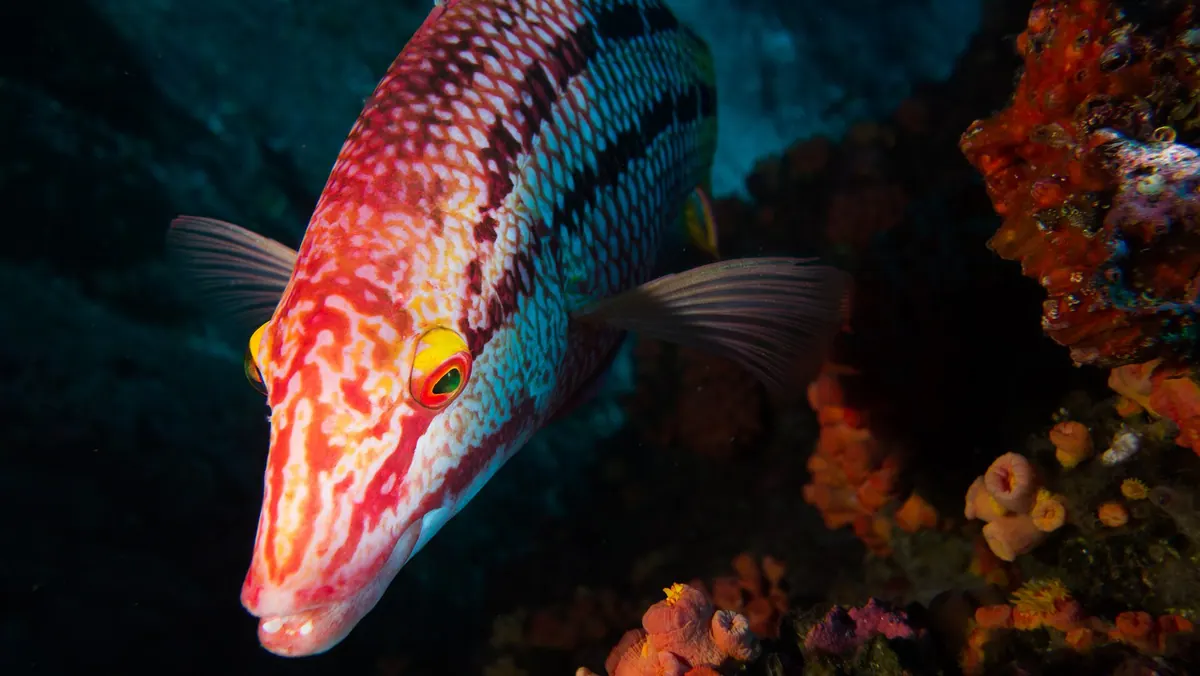
- Endemic rosy-lipped batfish is a signature small animal; month not stated1
- Silky and Galapagos sharks are listed among regular sightings; month not stated1
- Tiger sharks are occasional at Cocos1
- Schools of hundreds at cleaning stations such as Manuelita and Dos Amigos; DAN notes some veterans prefer the rainy season (Jul-Dec) when cool upwelling suits sharks (most often seen: Jul–Dec)1
- Whitetip reef sharks are a staple of Cocos dives; month not stated1
- Marbled rays listed; source also lists manta and eagle rays without species1
- Whale sharks are listed among Cocos sightings; month not stated1
- DAN Alert Diver, Cocos Island, read 2026-11-22
When to go
Rainy season: July to December rainy season, January to June dry.
Seasons are averages: weather in any one year can differ. Storm seasons come from the national or regional weather agency.
- Rainy season: July to December rainy season, January to June dry1
- Wind and sea: Calm seas January to June; generally rougher July to December; the crossing can be rough1
- DAN Alert Diver, Cocos Island, read 2026-11-22
Getting there
- Route: Liveaboard only from mainland Costa Rica; no day boats1
- DAN Alert Diver, Cocos Island, read 2026-11-22
What it costs
Prices are what the operator or authority published, with the date; they change. We don't sell trips and no price here is paid placement.
- Park fees for a trip: Park fee billed by operators: Aggressor USD 490 per person plus 13% VAT (10-night trip, page dated 2026-06-09); Undersea Hunter USD 554 for 10 nights, 633 for 11, 791 for 131
- Aggressor Adventures, read 2026-11-22 · operator or magazine report
Conditions
Visibility Variable, with multiple thermoclines,…; strong currents and surge.
- Access: Liveaboard only; island more than 480 km (300 mi) offshore, crossing about 30 hours from mainland Costa Rica1
- Currents: Strong currents and surge; divers expected to hold rocks1
- Diving: Liveaboard, pinnacle and cleaning-station dives; drift conditions common1
- Visibility: Variable, with multiple thermoclines, especially in the rainy season (Jul-Dec); no numeric range given1
- DAN Alert Diver, Cocos Island: The Pelagic Crossroads (Q1 2012), read 2026-11-22 · read through a summary
Cocos Island in pictures
Dive sites
- DAN Alert Diver, Cocos Island: The Pelagic Crossroads (Q1 2012), read 2026-11-22 · read through a summary
Questions about diving in Cocos Island
Do you need to be an advanced diver for Cocos Island?
No, but intermediate to advanced experience is recommended: DAN says Cocos is not for new divers. Currents and surge are strong. Costa Rica's park rules also require divers to be accredited by a recognised diving agency.
How do you get to Cocos Island?
Only by liveaboard from mainland Costa Rica, with no day boats. The island is more than 480 km (300 mi) offshore, a crossing of about 30 hours.
How much is the Cocos Island park fee?
A 2014 decree sets USD 50 per day for non-residents. Operators bill it inside the trip price: one lists USD 554 for 10 nights, another USD 490 plus 13% VAT.
Can you see hammerheads at Cocos Island?
Yes. Schools of hundreds of scalloped hammerheads gather at cleaning stations such as Manuelita and Dos Amigos, and some veterans prefer the rainy season, July to December.
Not found yet: snorkelling and learning. We add facts once there is an official or published source. See every dive destination, or read about diving safety and how the site is paid for.