Diving in Kona
Sea temperatures of 25–27 °C (76–81 °F) through the year, and 16 facts from official sources, each with the date we read it. 1 more come from dive operators' and magazines' reports and say so.
Overview
Kona, on the west coast of Hawaii's Big Island, offers shore, boat, night manta, lava tube and blackwater dives. Liveaboards also run. Blackwater dives go several miles offshore at night, where deep-water invertebrates and translucent animals rise toward the surface.
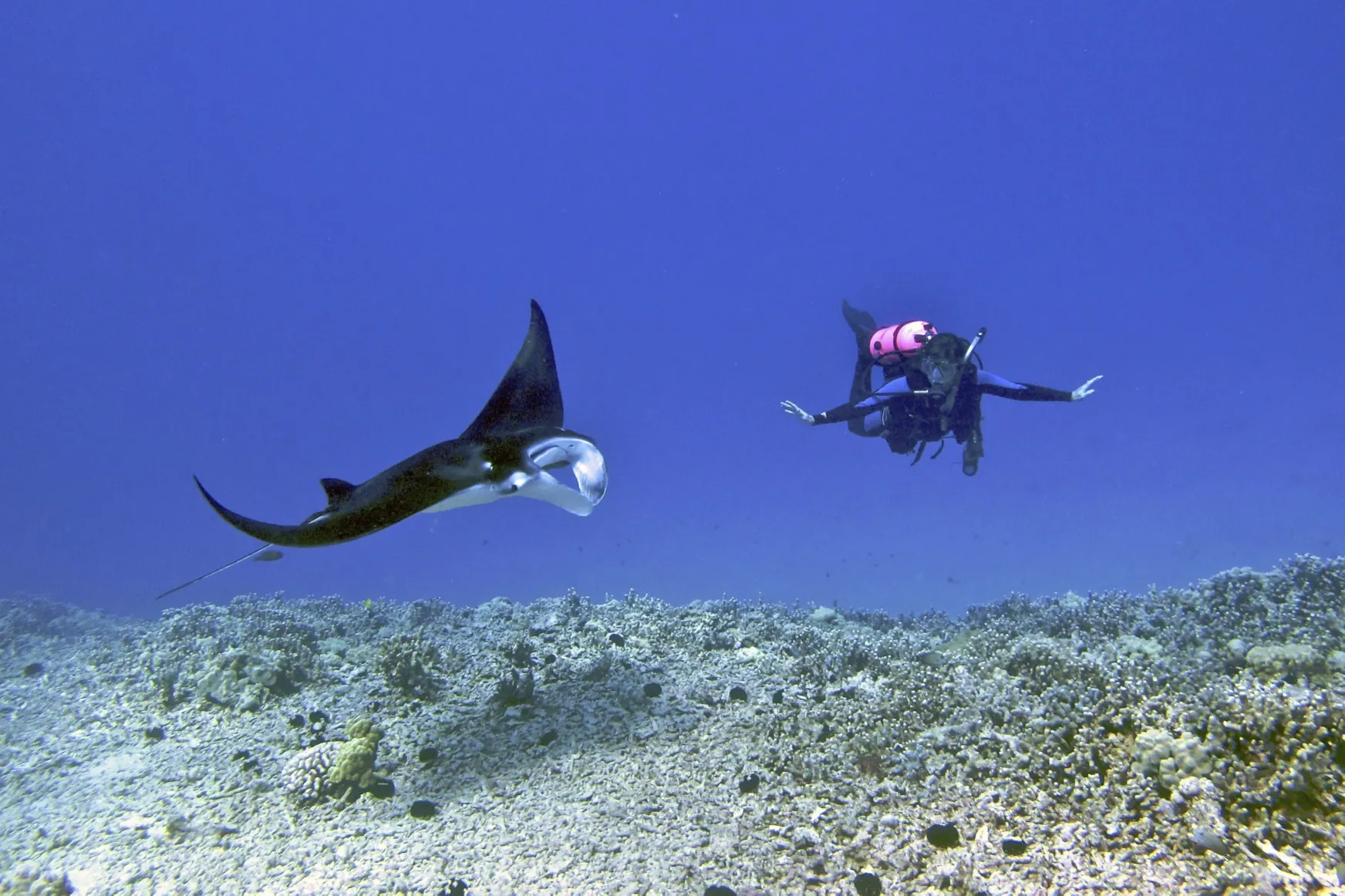
Reef mantas return to the same sites off Hawaii Island, and Kona operators run the night dives year-round. The manta night dive is about 12 m (39 ft) deep. Operators say the population is resident, with over 450 identified individuals.
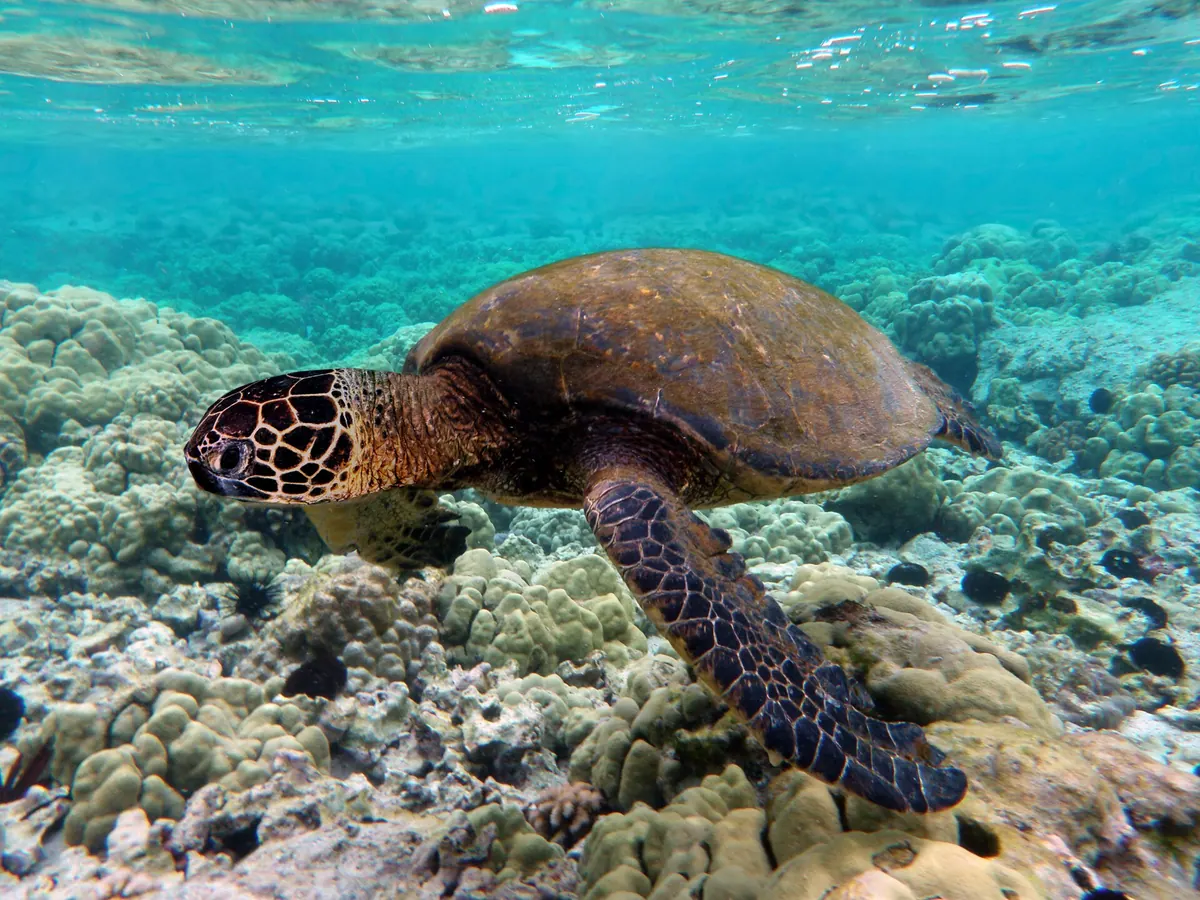
Humpback whales are present from November through April, peaking January through March. Several spinner dolphin pods use sheltered west-coast bays. At Turtle Pinnacle, green turtles come to cleaner fish.
Kona has more than 350 diveable days a year and visibility over 30 m (100 ft). Lee-side conditions are usually suitable, with short-lived winter storms the exception. Water averages 24.7 °C (76 °F) in February and 27.2 °C (81 °F) in September. The Central Pacific hurricane season runs June 1 to November 30.
The nearest recompression chamber listed is the University of Hawaii Hyperbaric Treatment Center, at Kuakini Medical Center in Honolulu on Oahu. It is open to the civilian public around the clock.
Summary drafted with AI from the sourced facts below; not yet reviewed by John R. Each figure here appears, with its source, further down the page.
Not yet checked by a person. Each fact shows its source: an official page, or a dive operator's or magazine's report where it says so. Rules and fees change: check with the authority and your dive operator before you go. In an emergency: DAN hotlines. How we check facts. Spotted a mistake? corrections@divehomebase.com.
- Sea temperature
- 24.7–27.2 °C / 76–81 °F
- NOAA OISST, monthly average 1991–2020
- Recompression chamber
- University of Hawaii Hyperbaric Treatment Center, Kuakini Medical Center, Honolulu (Oahu)
- University of Hawaii at Manoa (JABSOM news release), read 2026-11-20
Sea temperature by month
Average sea surface temperature near Kona, 1991–2020. Deeper water and bays can be cooler. Best months for diving depend on more than temperature; we add them when a published source gives them.
- Jan25.0 °C / 77 °F
- Feb24.7 °C / 76 °F
- Mar24.7 °C / 76 °F
- Apr25.0 °C / 77 °F
- May25.6 °C / 78 °F
- Jun26.1 °C / 79 °F
- Jul26.6 °C / 80 °F
- Aug27.1 °C / 81 °F
- Sep27.2 °C / 81 °F
- Oct27.1 °C / 81 °F
- Nov26.4 °C / 80 °F
- Dec25.6 °C / 78 °F
Marine life and conservation
Most often reported: humpback whale (Nov–Apr), spinner dolphin.
Sightings are likelihoods, not promises.
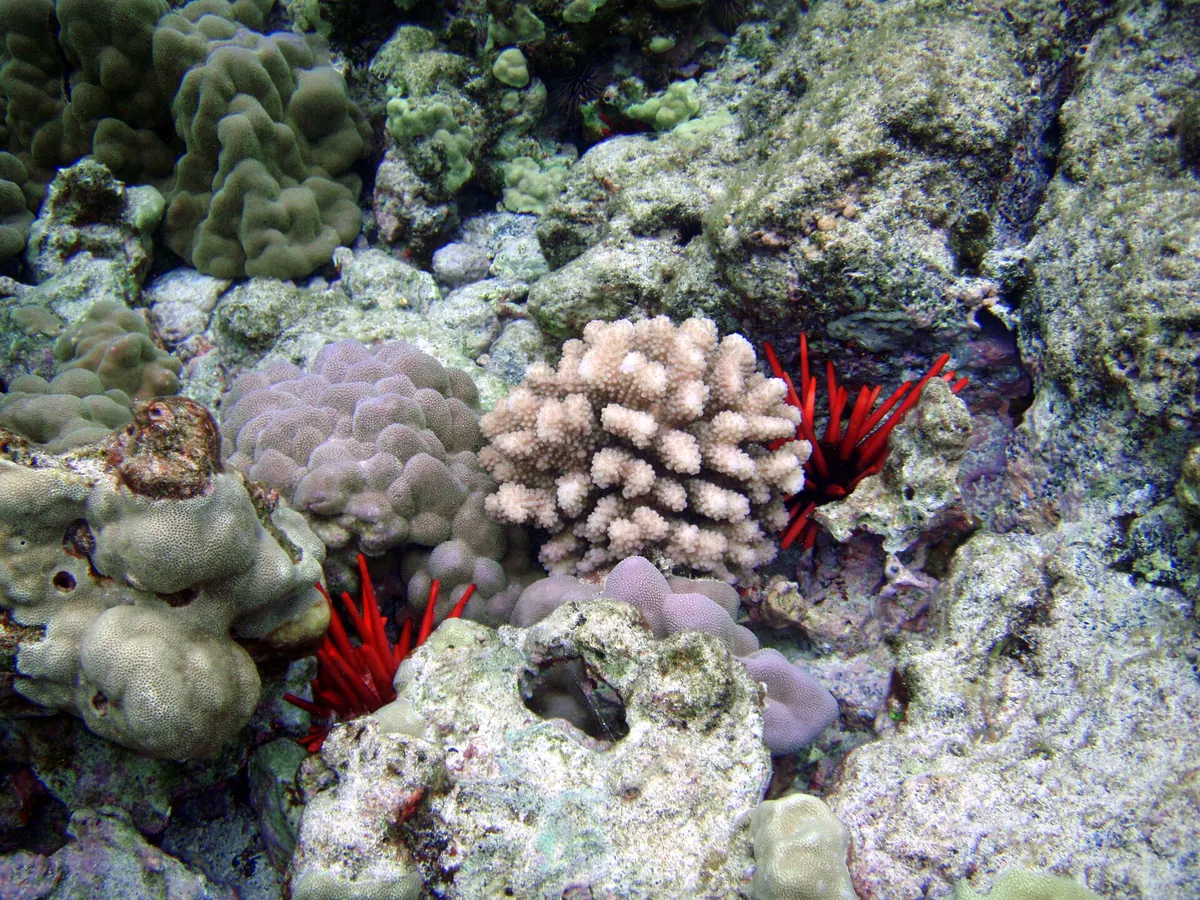
- Coral bleaching: Mass bleaching and mortality in 2014 and 2015 across the archipelago; bleaching again in 2019; events more frequent and severe since 19961
- Reef manta (Mobula alfredi): stable aggregations with high site fidelity off Maui and Hawaii Island, low inter-island migration; no reported sightings of oceanic manta (M. birostris) in nearshore Hawaii per the study2
- Manta sightings in Hawaii dive survey data: 287 sightings in 12,411 dives over 19 years (species not separated)2
- Several spinner dolphin pods live in sheltered west-coast bays3
- Humpback whales November through April, peak January through March (regularly seen: Nov–Apr)4
- Hawaii humpback season Nov-May, peak Jan-Mar per the sanctuary; in-water encounters heavily restricted; songs often heard while diving (most often seen: Jan–Mar)5
- Night blackwater dives several miles offshore show deep-water invertebrates and translucent animals rising3
- State of Hawaii DLNR Division of Aquatic Resources, read 2026-11-22
- Frontiers in Marine Science (Tuthill-Christensen, Jungbluth, Crow), read 2026-11-20
- DAN Alert Diver, Kona: The Big Island's Rich and Rugged West Coast, read 2026-11-22 · read through a summary
- NOAA Hawaiian Islands Humpback Whale National Marine Sanctuary, read 2026-11-22
- Maui Now, quoting Hawaiian Islands Humpback Whale NMS (search extract), read 2026-11-22 · operator or magazine report
When to go
Seasons are averages: weather in any one year can differ. Storm seasons come from the national or regional weather agency.
- Central Pacific hurricane season June 1 to November 301
- Wind and sea: Lee-side surface conditions usually suitable for diving; exceptions are short-lived winter storms (Nov–Mar)2
- NOAA National Hurricane Center glossary, read 2026-11-22
- DAN Alert Diver, Kona, read 2026-11-22
Snorkelling and learning
- Snorkelling: Partly1
- DAN Alert Diver, Kona: The Big Island's Rich and Rugged West Coast, read 2026-11-22 · read through a summary
Getting there
Fly to Ellison Onizuka Kona International Airport at Keahole.
- Nearest airport: Ellison Onizuka Kona International Airport at Keahole (KOA)1
- Route: Fly direct to Kona (5-6 hours from the US west coast); airport on the coast with dive operators either side2
- State of Hawaii Department of Transportation, Airports, read 2026-11-22
- DAN Alert Diver, Kona, read 2026-11-22
Conditions
Visibility More than 30 m.
- Access: Shore and day boat; liveaboards also run1
- Diving: Shore, boat, night (manta), lava tube, blackwater1
- Visibility: More than 30 m1
- DAN Alert Diver, Kona: The Big Island's Rich and Rugged West Coast, read 2026-11-22 · read through a summary
Other facts
- Conditions: Water low to mid 70s F (22-24 C) in winter, low 80s F (27-28 C) August to October; over 350 diveable days a year; visibility consistently over 100 ft (30 m)1
- DAN Alert Diver, Kona, read 2026-11-22
Kona in pictures
Dive sites
Manta Night Dive
- Usual deepest: 12 m / 39 ft1
- Stable reef manta aggregations with high site fidelity off Hawaii Island; Kona night dives run year-round per operators (reported all year)2
- Kona mantas are said to be a resident, non-migratory population (over 450 identified individuals per one operator) (reported all year)1
Turtle Pinnacle
- Turtle Pinnacle draws green turtles to cleaner fish; green turtle is the most frequently seen turtle in Hawaii3
- Kona Honu Divers and other Kona operators (search extract), read 2026-11-22 · operator or magazine report
- Frontiers in Marine Science 2025 (Tuthill-Christensen, Jungbluth, Crow), read 2026-11-22 · read through a summary
- DAN Alert Diver, Kona: The Big Island's Rich and Rugged West Coast, read 2026-11-22 · read through a summary
Questions about diving in Kona
When can you see manta rays in Kona?
Kona night manta dives run year-round, and reef mantas return to the same sites off Hawaii Island. Sightings are not guaranteed.
When is whale season in Kona?
Humpback whales are present from November through April, with the peak from January through March.
How deep is the Kona manta night dive?
About 12 m (39 ft), according to operators.
How do you get to Kona?
Fly direct to Kona, which takes 5 to 6 hours from the US west coast. The airport is Ellison Onizuka Kona International Airport at Keahole (KOA).
Not found yet: what it costs, an official diving level. We add facts once there is an official or published source. See every dive destination, or read about diving safety and how the site is paid for.