Diving in Okinawa
Sea temperatures of 22–29 °C (71–84 °F) through the year, and 5 facts from official sources, each with the date we read it.
Overview
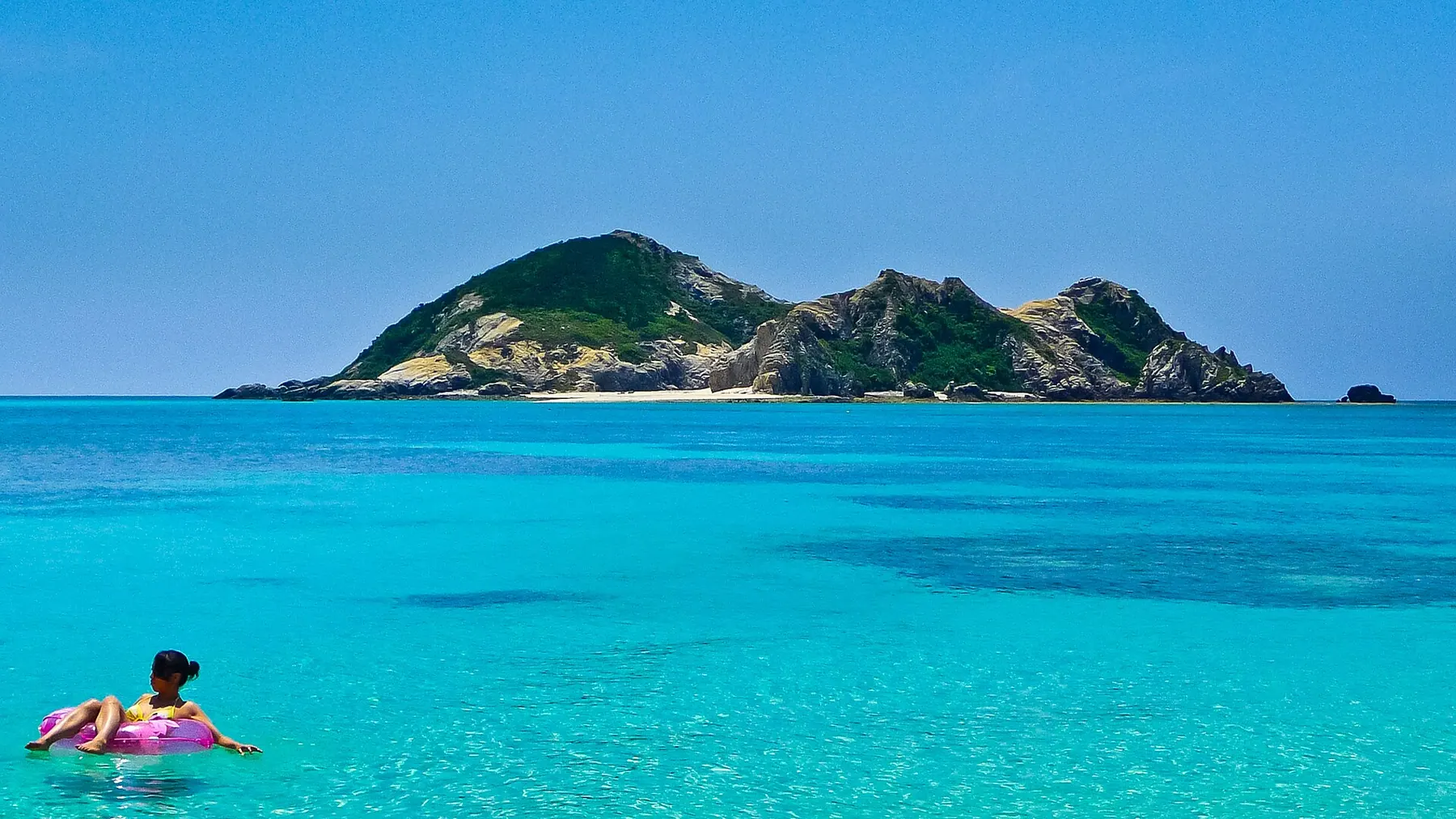
Okinawa's diving is spread over several island groups, and the best months differ. Most islands are best from summer to fall, while Yonaguni is best from winter to spring, according to the Japan National Tourism Organization (JNTO). Dive types include boat diving at Kerama, cavern and cave, reef and pelagic.
The Kerama Islands are clear and usually calm, and especially good for beginners. Humpback whales breed there from late December to early April, with late January to February the best time. That is from whale-watching boats, not dives.
At Cape Irizaki on Yonaguni, scalloped hammerhead aggregations are seasonal from December to March, with up to about 200 regularly recorded. Currents there are sometimes very strong, and the winter north-east monsoon wind cancels many January to March days.
Manta rays are seen around Ishigaki throughout the year at cleaning stations such as Manta Scramble and Manta City. Kume and Iriomote offer dogtooth tuna and trevally, and whale sharks are listed for Iriomote with no season.
The sea is 21.8 °C (71 °F) in February and 28.9 °C (84 °F) in August. In 2016, the Ryukyu reef at Sekiseishoko had over 90% bleaching and 70% mortality.
Summary drafted with AI from the sourced facts below; not yet reviewed by John R. Each figure here appears, with its source, further down the page.
Not yet checked by a person. Each fact shows its source: an official page, or a dive operator's or magazine's report where it says so. Rules and fees change: check with the authority and your dive operator before you go. In an emergency: DAN hotlines. How we check facts. Spotted a mistake? corrections@divehomebase.com.
- Sea temperature
- 21.8–28.9 °C / 71–84 °F
- NOAA OISST, monthly average 1991–2020
Sea temperature by month
Average sea surface temperature near Okinawa, 1991–2020. Deeper water and bays can be cooler. Best months for diving depend on more than temperature; we add them when a published source gives them.
- Jan22.6 °C / 73 °F
- Feb21.8 °C / 71 °F
- Mar21.9 °C / 71 °F
- Apr22.9 °C / 73 °F
- May24.8 °C / 77 °F
- Jun26.9 °C / 80 °F
- Jul28.7 °C / 84 °F
- Aug28.9 °C / 84 °F
- Sep28.3 °C / 83 °F
- Oct27.0 °C / 81 °F
- Nov25.4 °C / 78 °F
- Dec23.9 °C / 75 °F
Marine life and conservation
Most often reported: dogtooth tuna.
Sightings are likelihoods, not promises.
- Coral bleaching: Ryukyu 2016: over 90% bleaching at Sekiseishoko Reef, 70% mortality1
- Kume (Tombara, Imazuni) and Iriomote offer dogtooth tuna and trevally; whale sharks are listed for Iriomote2
- NOAA Coral Reef Watch, read 2026-11-22
- Japan National Tourism Organization, Okinawa diving guide, read 2026-11-22 · read through a summary
When to go
Seasons are averages: weather in any one year can differ. Storm seasons come from the national or regional weather agency.
- Best months: Most islands best summer to fall; Yonaguni best winter to spring1
- Japan National Tourism Organization, read 2026-11-20
Conditions
Currents Kuroshio flows in from the south.
- Best months: Most islands best summer to fall; Yonaguni best winter to spring1
- Currents: Kuroshio flows in from the south; Yonaguni Irizaki currents sometimes very strong; Yonaguni winter north-east monsoon wind cancels many January-March days2
- Diving: Boat diving (Kerama), cavern and cave, reef, pelagic2
- Japan National Tourism Organization, read 2026-11-20
- Japan National Tourism Organization, Okinawa diving guide, read 2026-11-22 · read through a summary
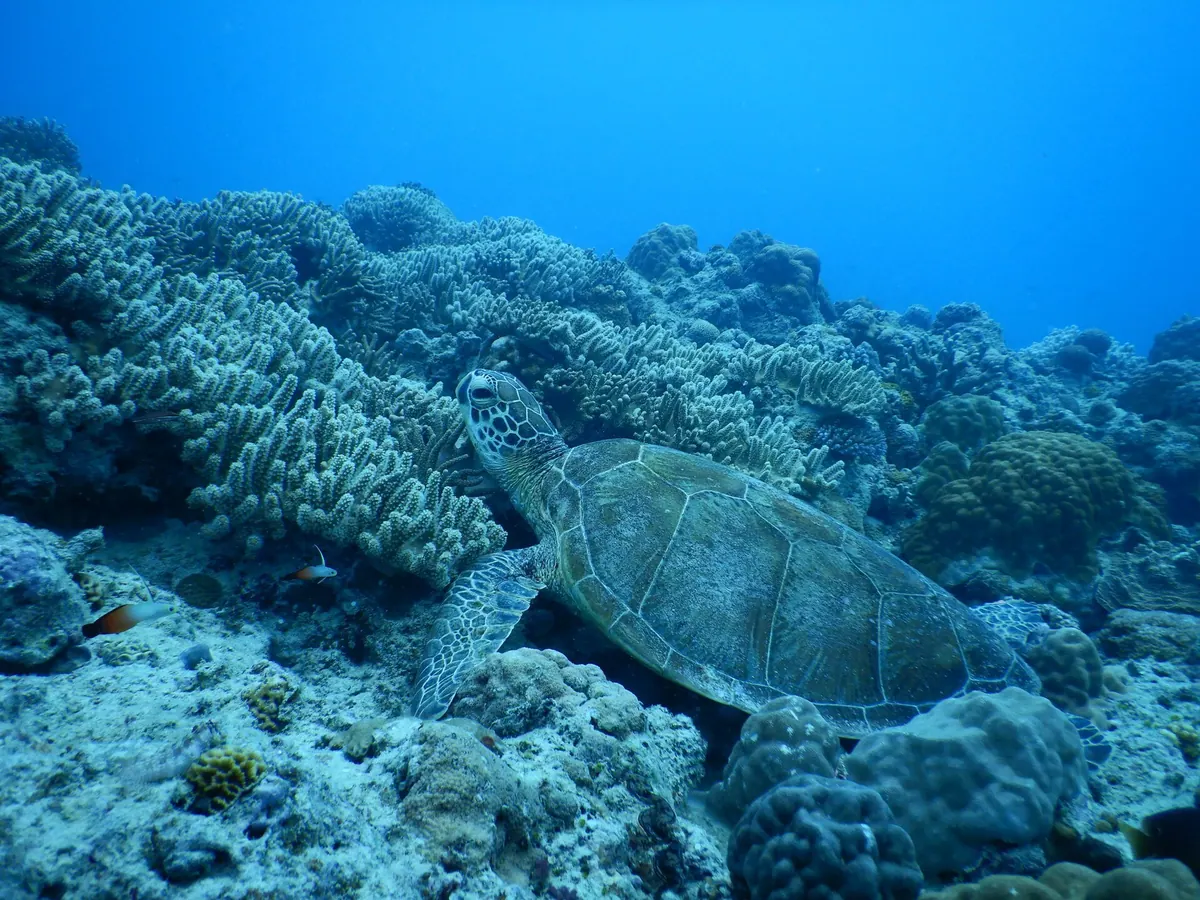
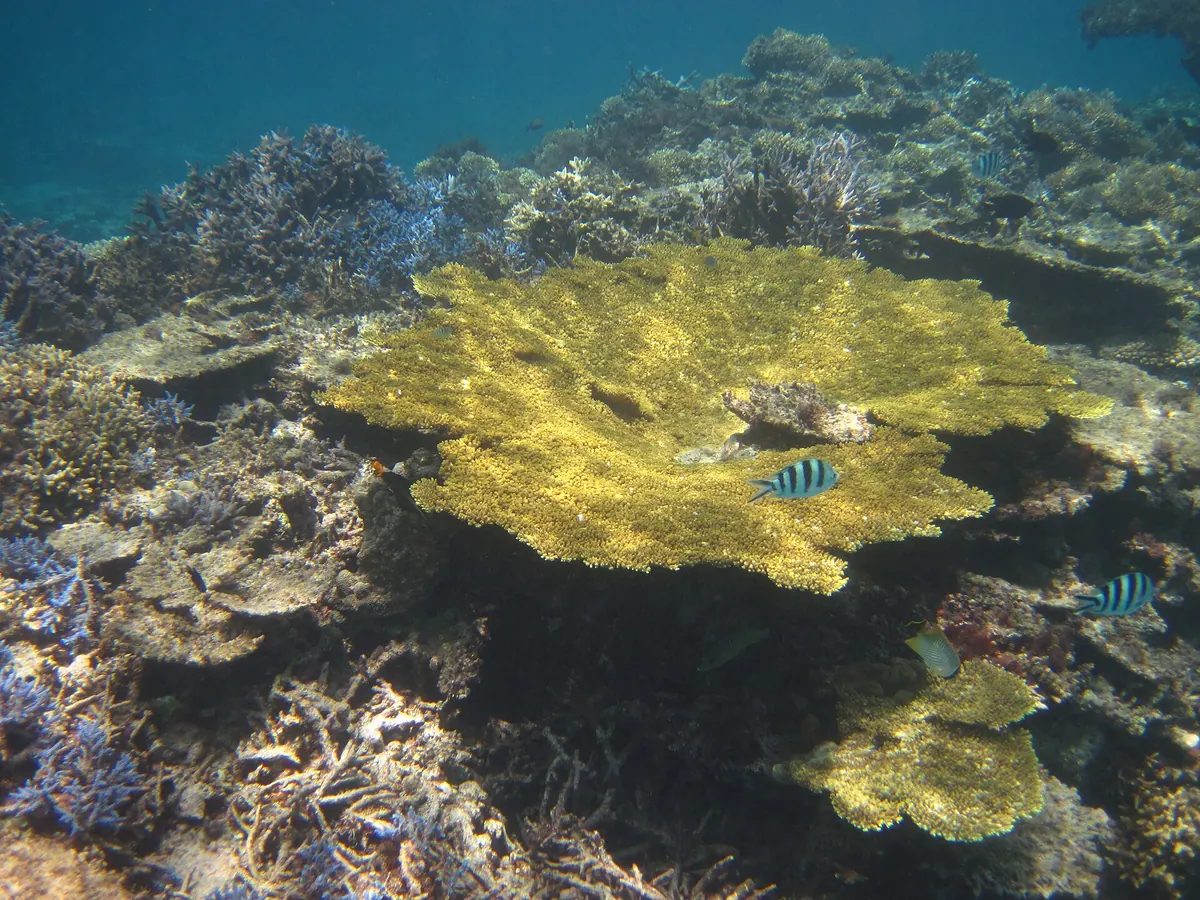
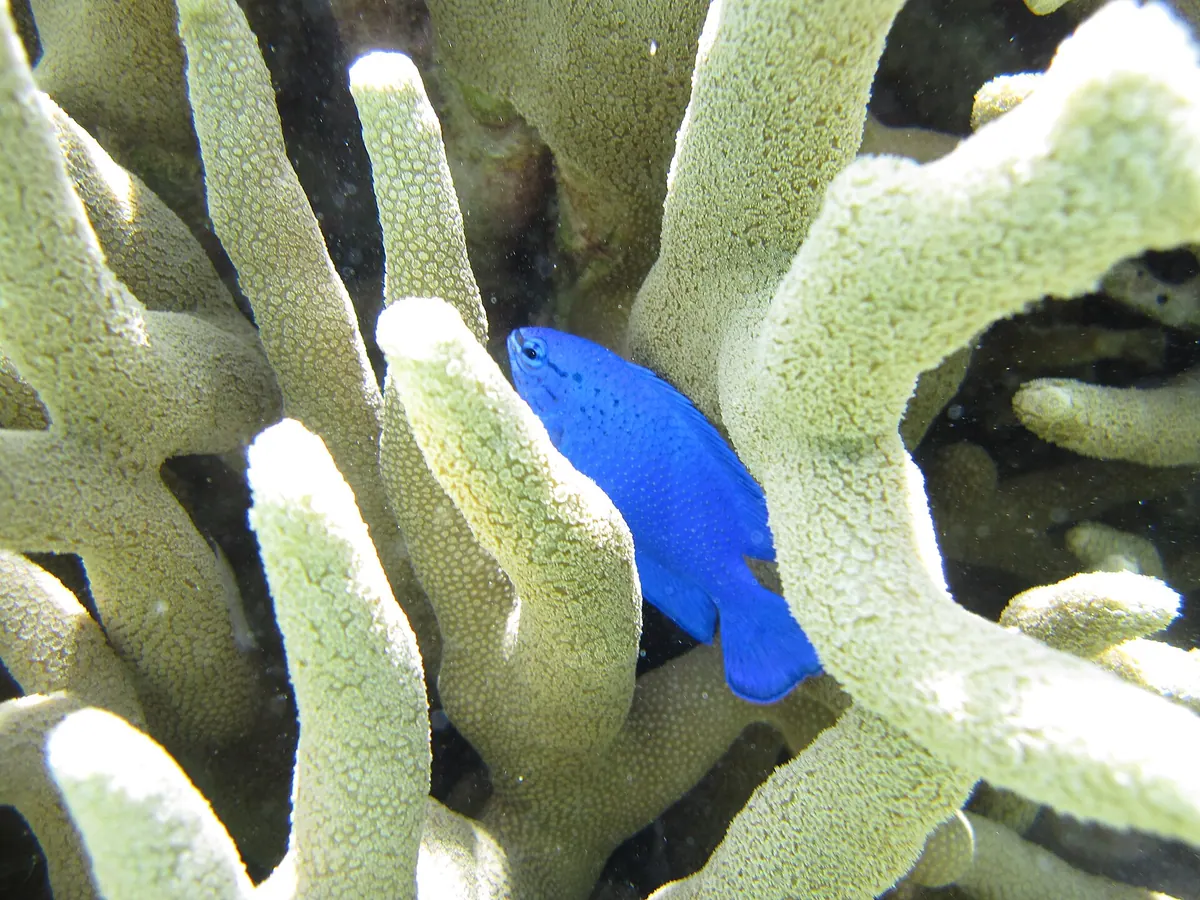
Okinawa in pictures
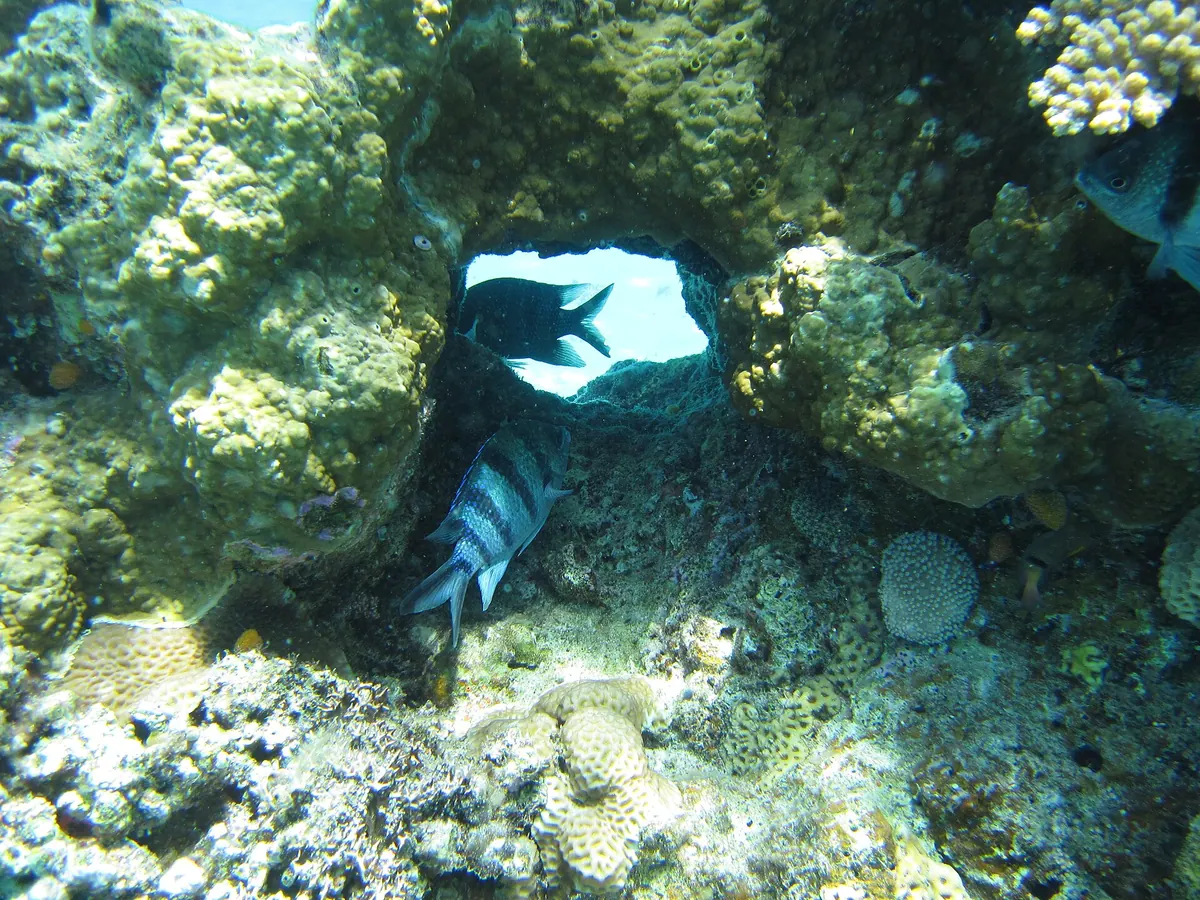
Dive sites
Blue Cave
- Snorkelling: Partly1
Iriomote
- Whale sharks are listed among Iriomote's pelagic visitors; no season given1
Irizaki Yonaguni
- Scalloped hammerhead aggregations at Cape Irizaki, Yonaguni, are seasonal from December to March; up to about 200 are regularly recorded (most often seen: Dec–Mar)2
Ishigaki
- Manta rays are seen around Ishigaki throughout the year at cleaning stations such as Manta Scramble and Manta City (reported all year)1
Kerama
Kerama Islands
- Humpback whale (Megaptera novaeangliae) at Kerama Islands: winter (sources: Jan-Mar / Feb-Apr)4
Manta Station Kume
- Rare black mantas are reported at Kume Island's Manta Station; no months given1
Yonaguni
- Hammerhead sharks (Sphyrna spp.) at Yonaguni Irizaki: winter to spring; guides say Nov-Mar to Jan-Mar4
Yonaguni Irizaki
- Scalloped hammerhead aggregations at Cape Irizaki, Dec-Mar, up to about 200 (most often seen: Dec–Mar)2
- Japan National Tourism Organization, Okinawa diving guide, read 2026-11-22 · read through a summary
- IUCN SSC Shark Specialist Group, ISRA factsheet Yonaguni Island, read 2026-11-22 · read through a summary
- Japan National Tourism Organization, National Parks of Japan, Kerama whale watching, read 2026-11-22 · read through a summary
- Japan National Tourism Organization, read 2026-11-20
Questions about diving in Okinawa
When can you see hammerhead sharks in Okinawa?
From December to March at Cape Irizaki on Yonaguni, with up to about 200 regularly recorded. Winter wind can cancel many January to March days there.
Is Okinawa good for beginner divers?
Yes, the Kerama Islands are especially good for beginners, with clear and usually calm water. That is tourism-board wording, not an agency standard.
Can you see manta rays in Okinawa?
Yes, around Ishigaki, where mantas are seen throughout the year at cleaning stations. Rare black mantas are also reported at Kume's Manta Station, with no months given.
Not found yet: getting there, what it costs, snorkelling and learning, an official diving level. We add facts once there is an official or published source. See every dive destination, or read about diving safety and how the site is paid for.