Diving in Papua New Guinea
Sea temperatures of 29–30 °C (84–86 °F) through the year, and 14 facts from official sources, each with the date we read it.
Overview
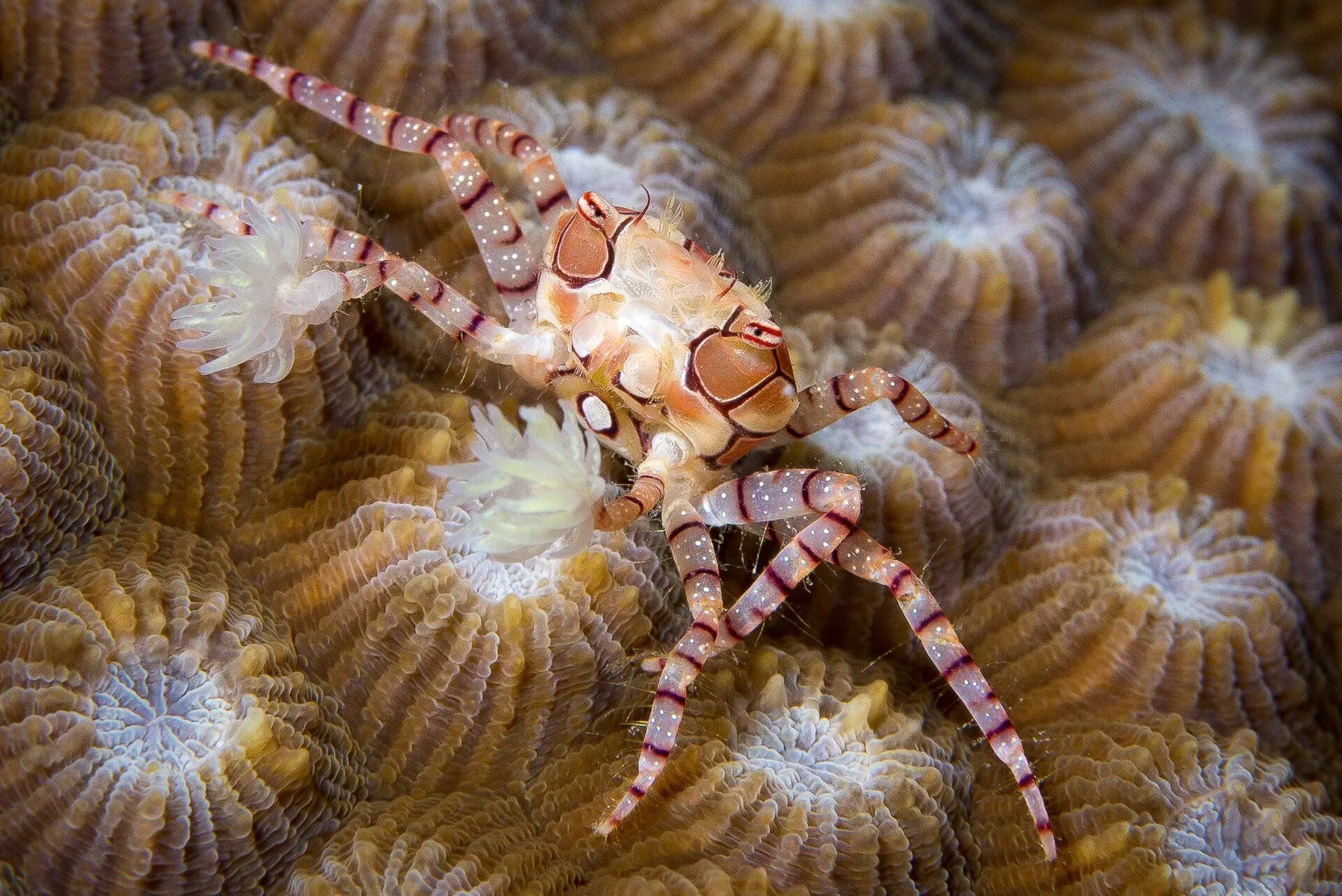
Papua New Guinea diving falls into three regions. Kimbe Bay offers reefs, pinnacles, pelagics and a Zero aircraft wreck. Milne Bay has coral gardens, walls, muck and WWII sites, and mantas are possible. Kavieng has drop-offs and passages with some stronger currents.
Diving is possible year-round, with a general high season from May to November. At Kavieng and Kimbe Bay, December to April is wet and May to October is dry. Kimbe's offshore liveaboard sites at Witu and Fathers run from mid-September to November and from April to June, weather permitting. Water stays warm, between 29.0 °C (84 °F) in August and 30.1 °C (86 °F) in November.
DAN recommends intermediate experience for Kavieng and Kimbe Bay, because difficulty varies and the area is remote. Some Kavieng sites and many Kimbe sites suit novices. Kavieng currents can be significant, and carrying a surface marker buoy is advised.
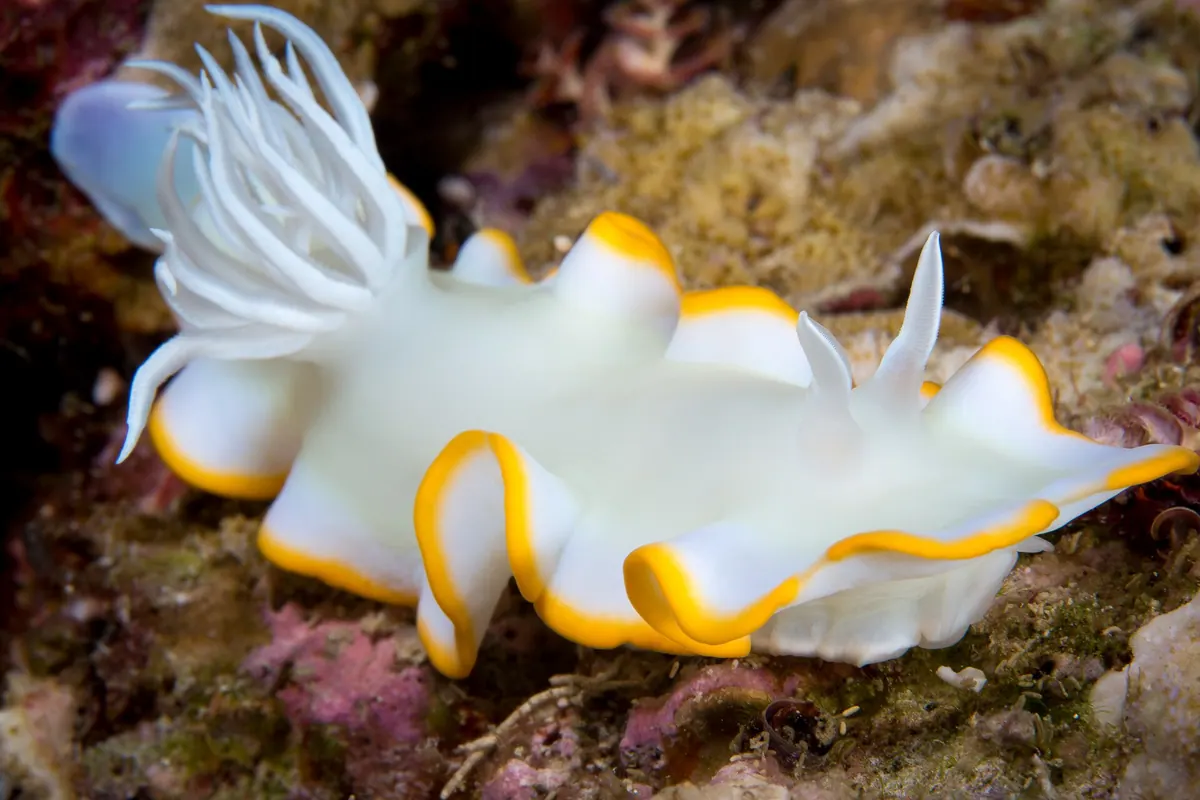
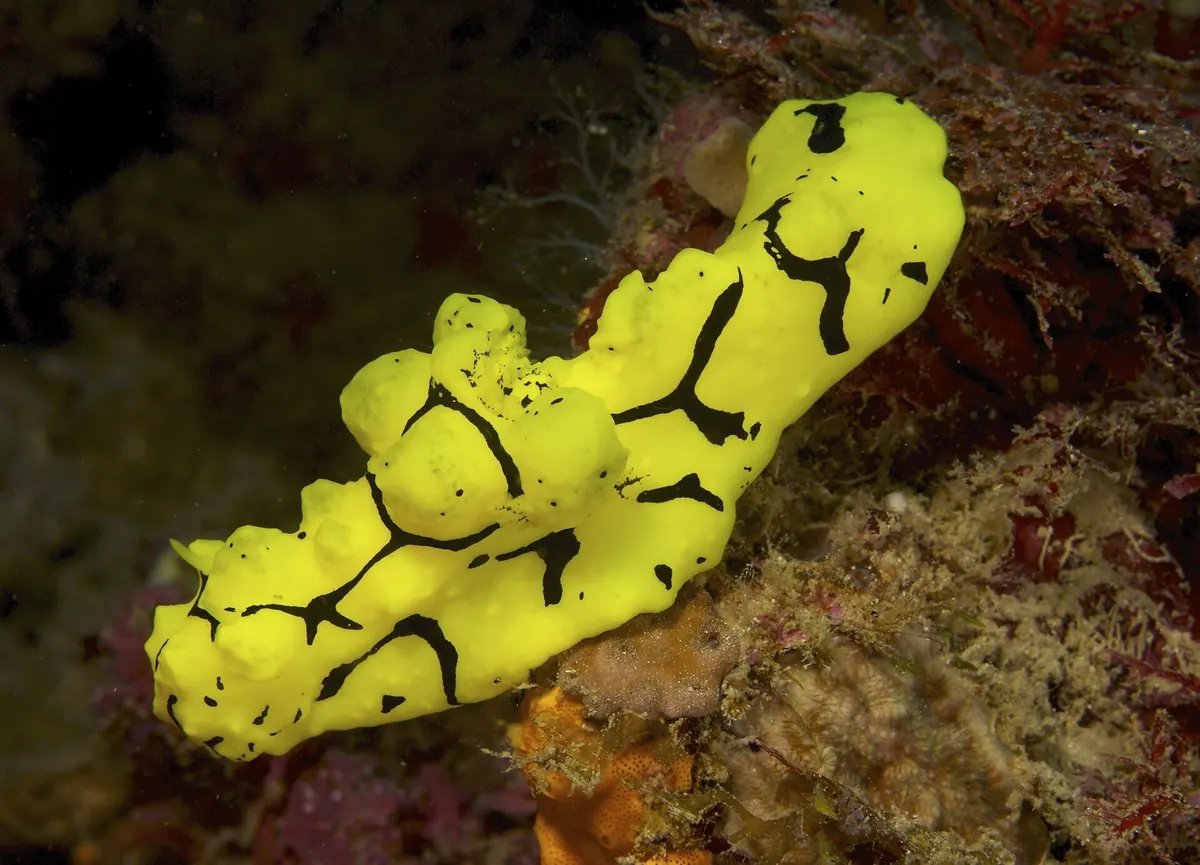
At Albatross Passage in Kavieng, whitetip and grey reef sharks and occasional mantas are best seen on an incoming tide. Muck sites in Milne Bay are known for frogfish, seahorses and nudibranchs. Scientists speculate that Kimbe Bay holds about 60 percent of the Indo-Pacific's endemic coral species.
Summary drafted with AI from the sourced facts below; not yet reviewed by John R. Each figure here appears, with its source, further down the page.
Not yet checked by a person. Each fact shows its source: an official page, or a dive operator's or magazine's report where it says so. Rules and fees change: check with the authority and your dive operator before you go. In an emergency: DAN hotlines. How we check facts. Spotted a mistake? corrections@divehomebase.com.
- Level
- Intermediate experience recommended; some sites suit novices
- Divers Alert Network (DAN), read 2026-11-22
- Sea temperature
- 29.0–30.1 °C / 84–86 °F
- NOAA OISST, monthly average 1991–2020
Sea temperature by month
Average sea surface temperature near Papua New Guinea, 1991–2020. Deeper water and bays can be cooler. Best months for diving depend on more than temperature; we add them when a published source gives them.
- Jan29.7 °C / 86 °F
- Feb29.5 °C / 85 °F
- Mar29.5 °C / 85 °F
- Apr29.8 °C / 86 °F
- May29.9 °C / 86 °F
- Jun29.8 °C / 86 °F
- Jul29.3 °C / 85 °F
- Aug29.0 °C / 84 °F
- Sep29.2 °C / 84 °F
- Oct29.6 °C / 85 °F
- Nov30.1 °C / 86 °F
- Dec30.1 °C / 86 °F
When to go
Best months: Diving year-round.
Seasons are averages: weather in any one year can differ. Storm seasons come from the national or regional weather agency.
- Best months: Diving year-round; general high season May-November1
- Liveaboard season: Kimbe offshore sites (Witu, Fathers) mid-Sep to Nov and Apr to Jun2
- Rainy season: Dec-Apr wet; May-Oct dry; doldrums Apr-May and Nov3
- Papua New Guinea Tourism Promotion Authority, read 2026-11-22
- Divers Alert Network (DAN), read 2026-11-22
- Divers Alert Network (DAN), read 2026-11-22
Snorkelling and learning
Snorkelling: Partly.
- DAN Alert Diver, The Far Reaches: Papua New Guinea, read 2026-11-22 · read through a summary
- PNG Tourism Promotion Authority, scuba diving page, read 2026-11-22 · read through a summary
Getting there
- Route: Port Moresby, domestic flight to Hoskins, then 55-minute drive to the Kimbe Bay hotel1
- Divers Alert Network (DAN), read 2026-11-22
Conditions
Kavieng currents can be significant, SMB advised.
- Best months: Diving year-round; general high season May-November1
- Currents: Kavieng currents can be significant, SMB advised; Kimbe Bay offshore sites slack to mild on the author's dives; offshore swell affects access2
- Diving: Reef, wall, wreck, muck, macro, drift, liveaboard1
- Diving: Regions: Kimbe Bay (reefs, pinnacles, pelagics, Zero aircraft wreck); Milne Bay (coral gardens, walls, muck, WWII sites, manta possible); Kavieng (drop-offs, passages, some stronger currents)1
- Liveaboard season: Kimbe offshore sites (Witu, Fathers) mid-Sep to Nov and Apr to Jun3
- Papua New Guinea Tourism Promotion Authority, read 2026-11-22
- DAN Alert Diver, The Far Reaches: Papua New Guinea, read 2026-11-22 · read through a summary
- Divers Alert Network (DAN), read 2026-11-22
Papua New Guinea in pictures
Dive sites
Albatross Passage Kavieng
- Whitetip and grey reef sharks and occasional mantas patrol Albatross Passage (Kavieng), best on an incoming tide1
Bootless Milne Bay
Kavieng
Kimbe Bay
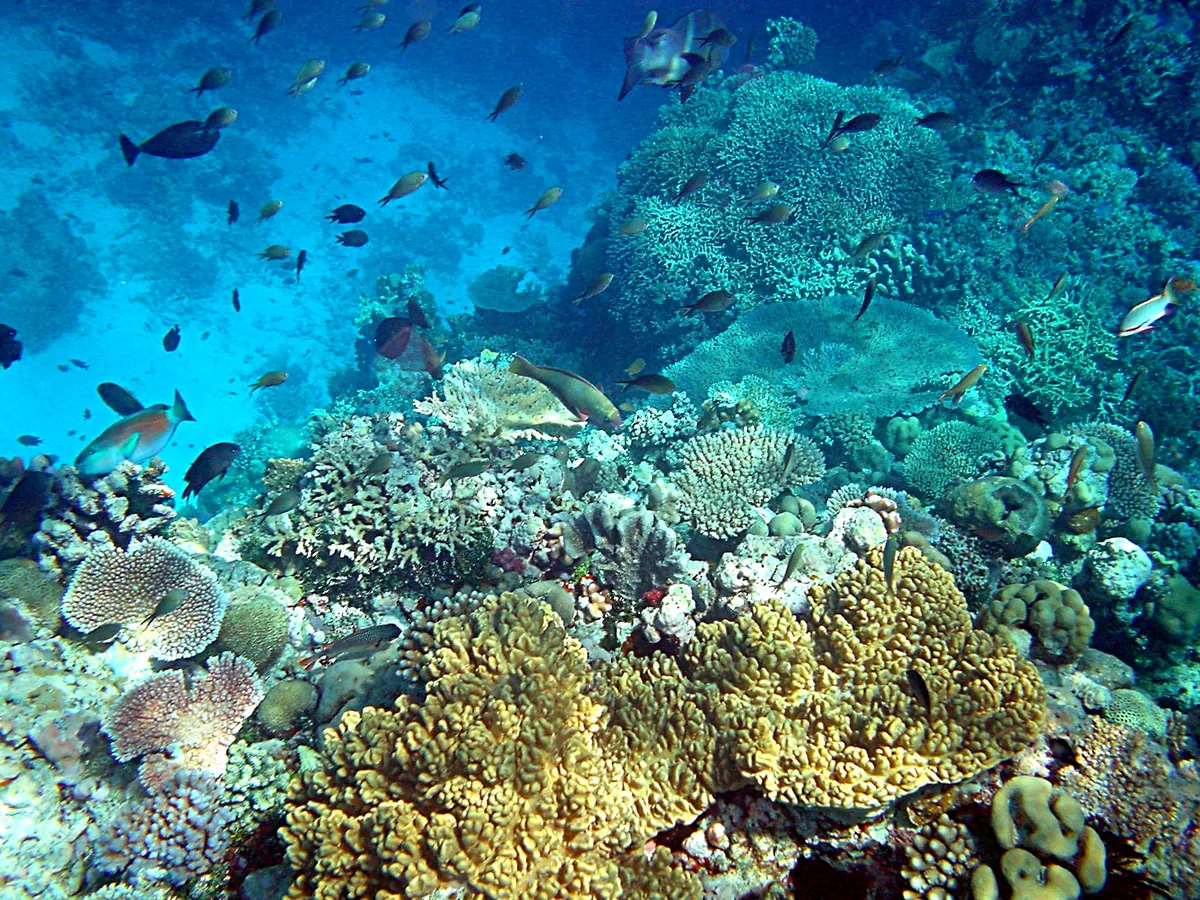
- Kimbe Bay is a coral refuge that scientists speculate holds about 60 percent of the Indo-Pacific's endemic coral species3
Milne Bay
- PNG Tourism lists manta rays at Milne Bay and other cleaning or feeding sites; one lead says September2
Tufi Milne Bay
- Hammerhead sharks are reported at selected sites around Tufi and Milne Bay2
- DAN Alert Diver, The Far Reaches: Papua New Guinea, read 2026-11-22 · read through a summary
- PNG Tourism Promotion Authority, scuba diving page, read 2026-11-22 · read through a summary
- DAN Alert Diver, Kimbe Bay and Beyond (Mar 2025), read 2026-11-22 · read through a summary
Questions about diving in Papua New Guinea
When is the best time to dive Papua New Guinea?
Diving is possible year-round, and May to November is the general high season. For Kavieng and Kimbe Bay, May to October is the dry season.
Is Papua New Guinea good for beginners?
Partly. DAN recommends intermediate experience for Kavieng and Kimbe Bay, but some Kavieng sites and many Kimbe sites suit novices. There are no formal levels, so match sites to your certification.
How do you get to Kimbe Bay?
Fly to Port Moresby, take a domestic flight to Hoskins, then drive 55 minutes to the Kimbe Bay hotel.
Are the currents strong at Kavieng?
They can be significant, and carrying a surface marker buoy is advised. Currents at the Kimbe Bay offshore sites were slack to mild on one set of dives.
Not found yet: what it costs. We add facts once there is an official or published source. See every dive destination, or read about diving safety and how the site is paid for.