Diving in Oahu
Sea temperatures of 24–27 °C (76–81 °F) through the year, and 16 facts from official sources, each with the date we read it. 4 more come from dive operators' and magazines' reports and say so.
Overview
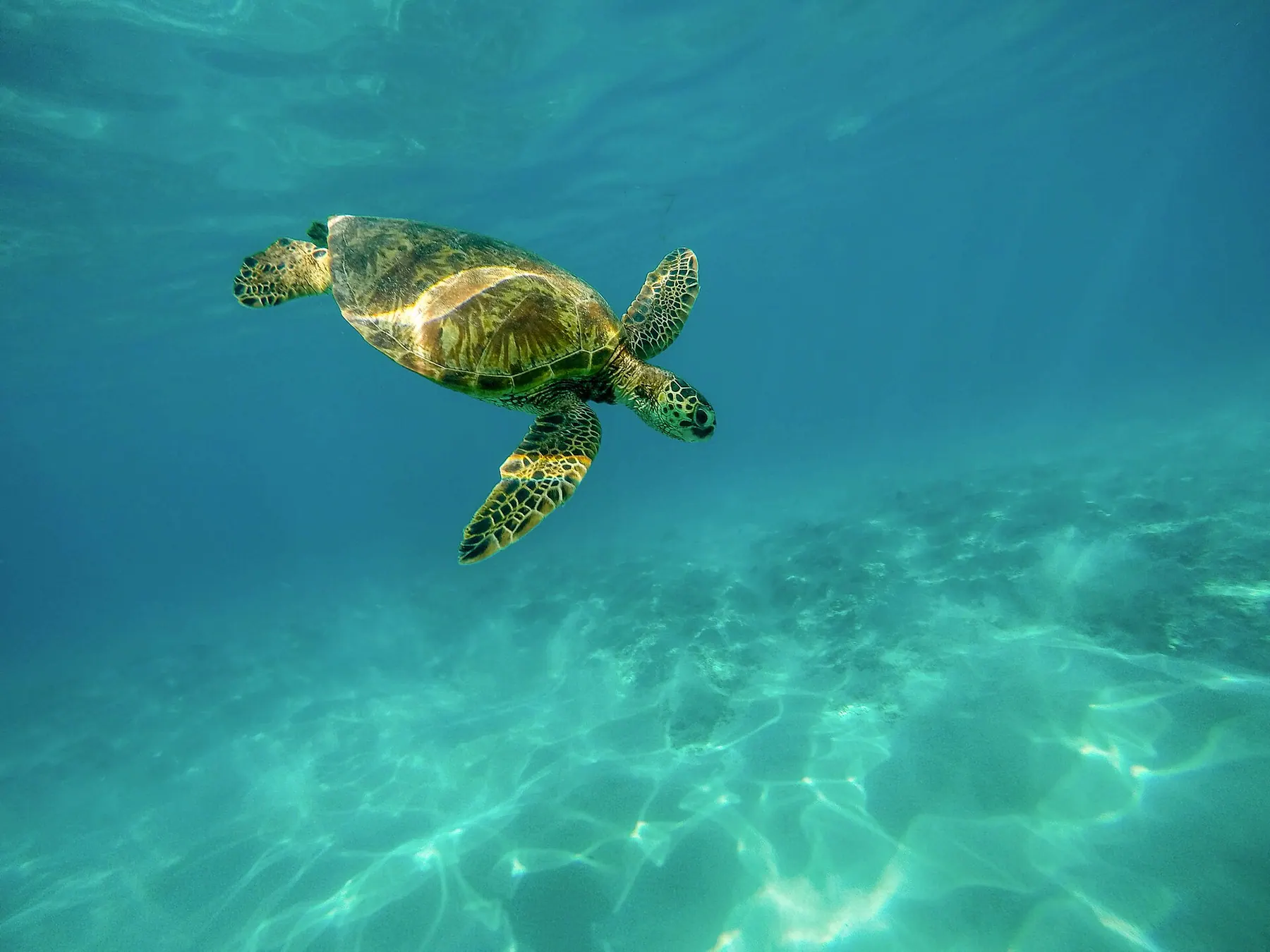
Oahu offers shore, boat and wreck diving, reached from the beach or by day boat. The wrecks YO-257 and Sea Tiger regularly show green turtles, and the Corsair site has a typical maximum depth of 34 m (110 ft).
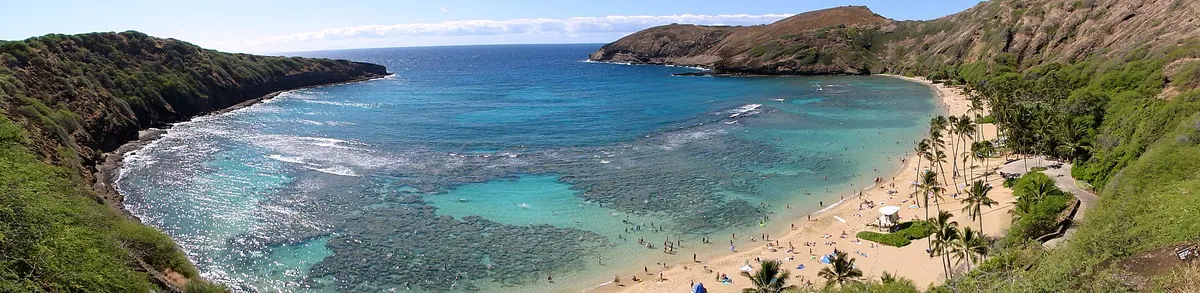
Hanauma Bay was Hawaii's first Marine Life Conservation District and is also a State Underwater Park. It is open Wednesday to Sunday and closed Monday and Tuesday. The outer bay is 21.3 m (70 ft) deep and recommended only for experienced divers. Rip currents in the channel can be strong, especially on ebb tides. Fishing, feeding and taking marine life are banned.
Federal law bars approaching spinner dolphins within 50 yards (46 m) and humpback whales within 100 yards (91 m), swimmers included. Viewing distance for turtles is at least 10 feet (3 m), and for monk seals at least 50 feet (15 m).
Manta DNA turns up around Oahu mostly from summer to early fall, and none was found from late October through January. Humpbacks winter in Hawaii from November to May, but the main hotspots are Maui-Lanai-Molokai, Kauai and Kohala, not Oahu.
Water averages 24.2 °C (76 °F) in February and March and reaches 27.0 °C (81 °F) in September. The Central Pacific hurricane season runs from June 1 to November 30. The Hyperbaric Treatment Center at Kuakini Medical Center in Honolulu is the nearest chamber. Call DAN to check it is taking dive emergencies.
Summary drafted with AI from the sourced facts below; not yet reviewed by John R. Each figure here appears, with its source, further down the page.
Not yet checked by a person. Each fact shows its source: an official page, or a dive operator's or magazine's report where it says so. Rules and fees change: check with the authority and your dive operator before you go. In an emergency: DAN hotlines. How we check facts. Spotted a mistake? corrections@divehomebase.com.
- Sea temperature
- 24.2–27.0 °C / 76–81 °F
- NOAA OISST, monthly average 1991–2020
- Recompression chamber
- Established 1984 at Kewalo Basin; moved to Kuakini Medical Center in 1994
- University of Hawaii at Manoa (JABSOM Hyperbaric Treatment Center), read 2026-11-23
Sea temperature by month
Average sea surface temperature near Oahu, 1991–2020. Deeper water and bays can be cooler. Best months for diving depend on more than temperature; we add them when a published source gives them.
- Jan24.6 °C / 76 °F
- Feb24.2 °C / 76 °F
- Mar24.2 °C / 76 °F
- Apr24.6 °C / 76 °F
- May25.2 °C / 78 °F
- Jun25.9 °C / 79 °F
- Jul26.2 °C / 79 °F
- Aug26.7 °C / 80 °F
- Sep27.0 °C / 81 °F
- Oct26.9 °C / 80 °F
- Nov26.2 °C / 79 °F
- Dec25.2 °C / 77 °F
Rules for divers
3 rules, from NOAA Fisheries Pacific Islands.
Set by the park or national authority. Breaking them can mean fines or losing your dive permit.
- Hawaiian monk seals: recommended distance at least 50 feet (15 m); mothers with pups 150 feet (about 45 m)1
- Turtles: recommended viewing distance at least 10 feet (3 m), on land and in water1
- Federal law prohibits swimming with, approaching or staying within 50 yards of spinner dolphins in Hawaii1
- NOAA Fisheries Pacific Islands, read 2026-11-23
Marine life and conservation
Most often reported: humpback whale (Jan–Mar), reef manta (Jun–Oct), green turtle.
Sightings are likelihoods, not promises.
- Manta eDNA detections around Oahu mostly summer to early fall; none late October through January; residency off Oahu unknown1
- Humpbacks winter in Hawaii Nov-May, peak Jan-Mar; named hotspots are Maui-Lanai-Molokai, Kauai and Kohala, not Oahu (regularly seen: Jan–Mar)2
- Manta eDNA around Oahu mostly summer to early fall, none late October through January; residency off Oahu unknown (seen at times: Jun–Oct)1
- Oahu wrecks (YO-257, Sea Tiger) regularly show green turtles3
- Humpback whale season generally November through May (reported: Nov–May)4
- Frontiers in Marine Science, read 2026-11-20
- Maui Now, quoting Hawaiian Islands Humpback Whale NMS (search extract), read 2026-11-22 · operator or magazine report
- Scuba Diving magazine, Oahu guides (search extract), read 2026-11-22 · operator or magazine report
- NOAA Hawaiian Islands Humpback Whale National Marine Sanctuary, read 2026-11-23
When to go
Rainy season: Heaviest rains from winter storms between October and April.
Seasons are averages: weather in any one year can differ. Storm seasons come from the national or regional weather agency.
- Central Pacific hurricane season June 1 to November 301
- Rainy season: Heaviest rains from winter storms between October and April2
- Wind and sea: Northeasterly trade winds persist; in winter they can be interrupted for days or weeks by fronts and Kona storms (Oct–Apr)2
- NOAA National Hurricane Center glossary, read 2026-11-22
- NOAA National Weather Service Honolulu, read 2026-11-23
Getting there
- Nearest airport: Daniel K. Inouye International Airport (HNL)1
- State of Hawaii Department of Transportation, Airports, read 2026-11-22
Conditions
- Scuba Diving magazine, Oahu guides (search extract), read 2026-11-22 · operator or magazine report
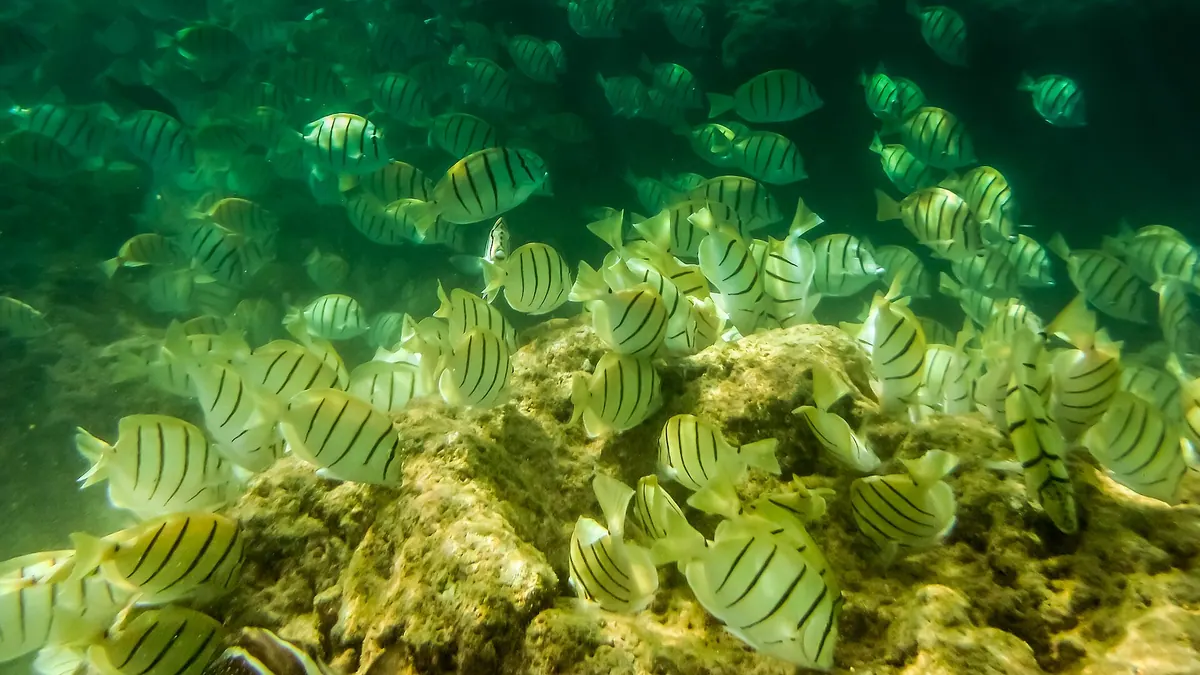
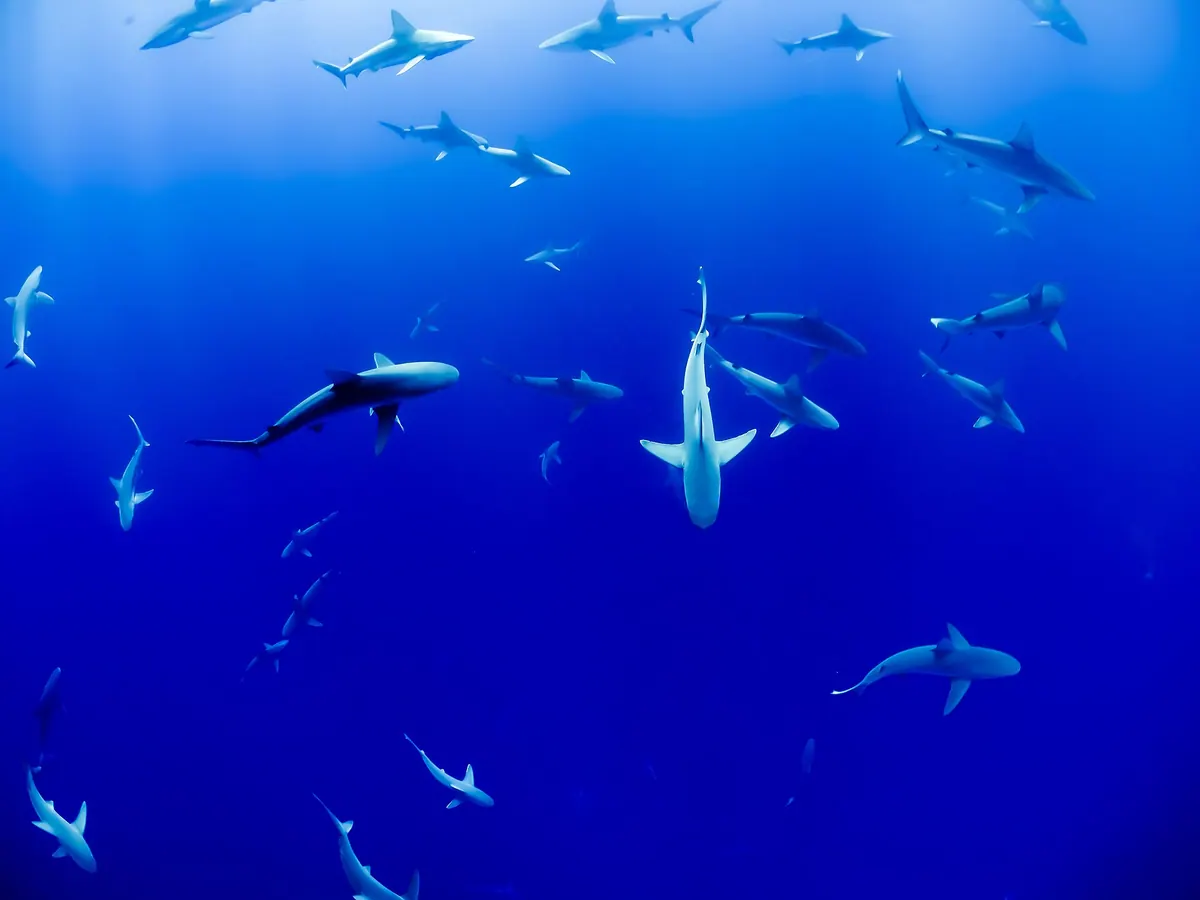
Oahu in pictures
Dive sites
Corsair
- Usual deepest: 34 m / 110 ft1
Hanauma Bay
- Protection: Hawaii's first Marine Life Conservation District, designated October 1967 (100 acres); also a State Underwater Park2
- Protection: Hanauma Bay, introduced fall 1967, was Hawaii's first Marine Life Conservation District; eleven MLCDs statewide3
- Protection: Also designated a State Underwater Park of the Division of State Parks; State Park rules also apply4
- Currents: Rip currents in the channel near the telephone cables can be strong, especially during ebb tides; the Moloka'i Express current near the left side of the bay mouth is hazardous in rough conditions5
- Deepest: 21.3 m / 70 ft5
- Hazards: Areas to avoid in rough water: Witches' Brew (cove on the right side) and Toilet Bowl / Queen's Bath (pool around the left point)5
- Level: Outer bay recommended only for experienced divers5
- Park fee: 25 USD (Non-Hawaii resident adult entry, plus an online fee (the same page states a 2.35% service fee for online payments))6
- Closed every Monday and Tuesday6
- No taking or altering sand, coral or other geological features4
- No fishing, taking or injuring marine life (including eggs) and no devices for taking marine life in the water4
- No feeding or attracting marine life with food or other substances4
- Scuba Diving magazine, Oahu guides (search extract), read 2026-11-22 · operator or magazine report
- City and County of Honolulu Parks and Recreation, read 2026-11-23
- State of Hawaii DLNR Division of Aquatic Resources, read 2026-11-22
- Hawaii DLNR Division of Aquatic Resources, read 2026-11-23
- Hawaii DLNR Division of Aquatic Resources, read 2026-11-23
- City and County of Honolulu Parks and Recreation, read 2026-11-23
Questions about diving in Oahu
When can you see manta rays off Oahu?
Mostly in summer and early fall. Manta DNA turns up around Oahu in those months, and none was found from late October through January. Whether mantas stay off Oahu is unknown.
Can you see humpback whales on Oahu?
Humpbacks winter in Hawaii from November to May and peak from January to March. The main hotspots are Maui-Lanai-Molokai, Kauai and Kohala, not Oahu.
How close can you get to dolphins and whales in Hawaii?
Federal law prohibits approaching spinner dolphins within 50 yards (46 m) and humpback whales within 100 yards (91 m), including when swimming.
When is hurricane season in Hawaii?
The Central Pacific hurricane season runs from June 1 to November 30.
Not found yet: what it costs, snorkelling and learning, an official diving level. We add facts once there is an official or published source. See every dive destination, or read about diving safety and how the site is paid for.