Diving in La Paz
Sea temperatures of 21–29 °C (69–84 °F) through the year, and 14 facts from official sources, each with the date we read it. 4 more come from dive operators' and magazines' reports and say so.
Overview
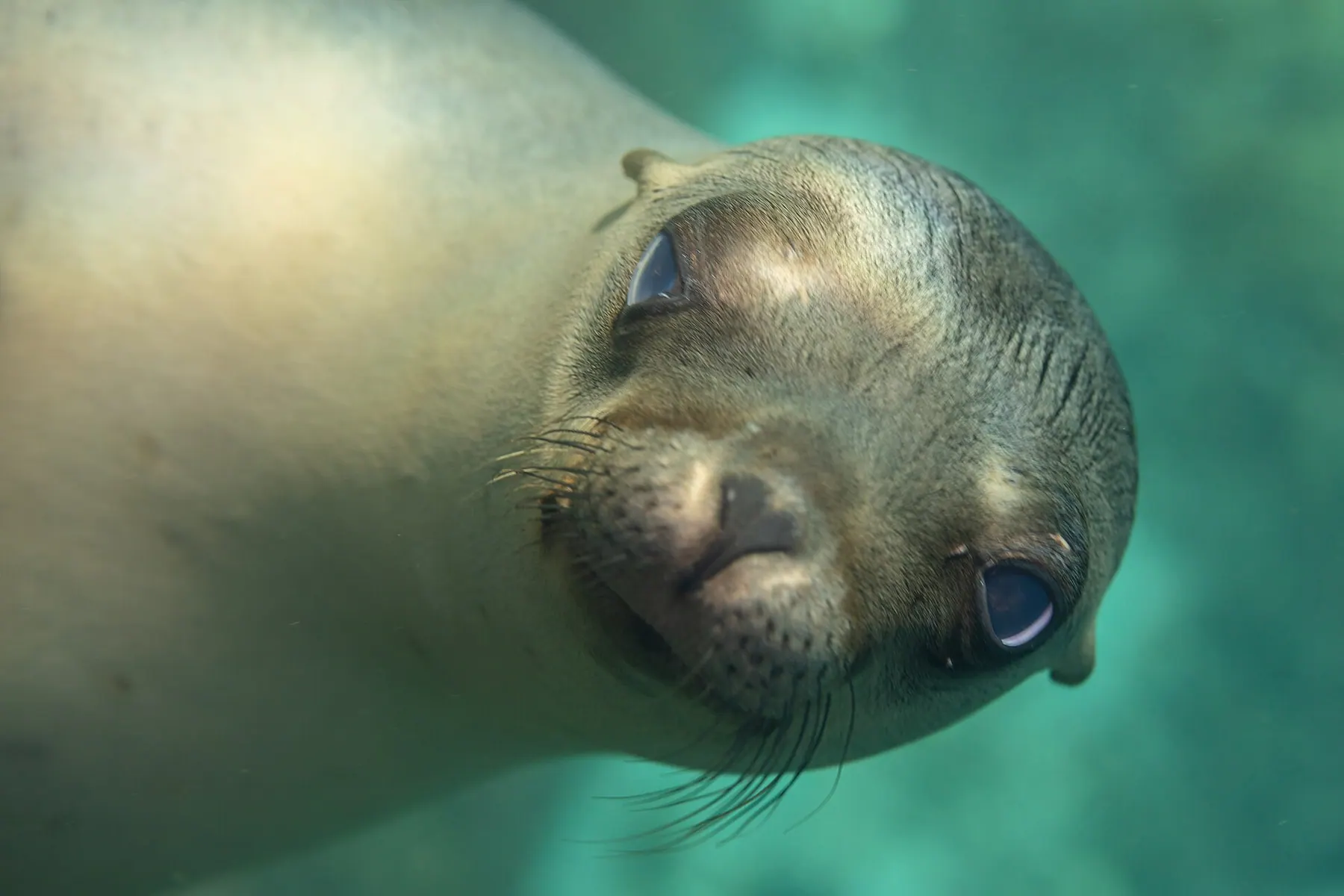
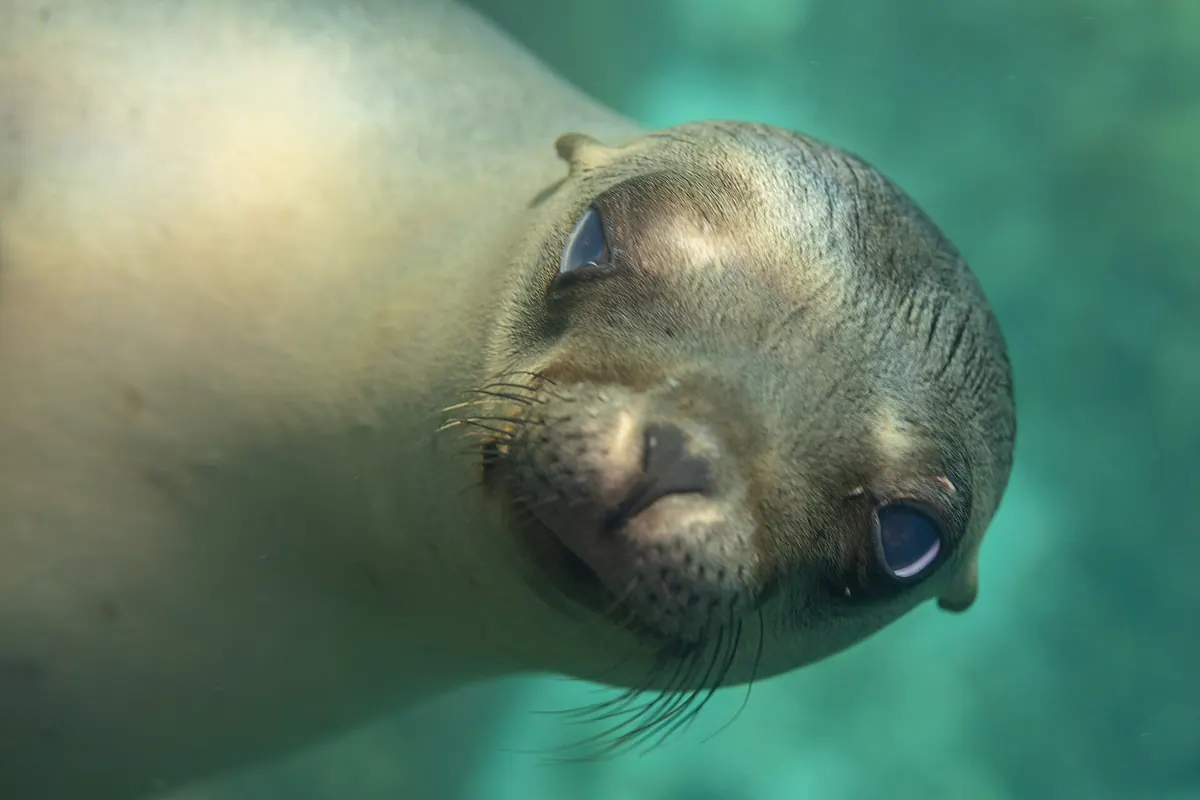
The sea lion colony at Los Islotes holds more than 500 animals and is the most visited in the Gulf of California. The park bans swimming and scuba from the shore to 5 m from the rookery, and boats may not move between 5 m and 30 m from the islet. In 2018 CONANP suspended diving with the sea lions from 1 June to 31 August. Closure dates differ by source, so check CONANP.
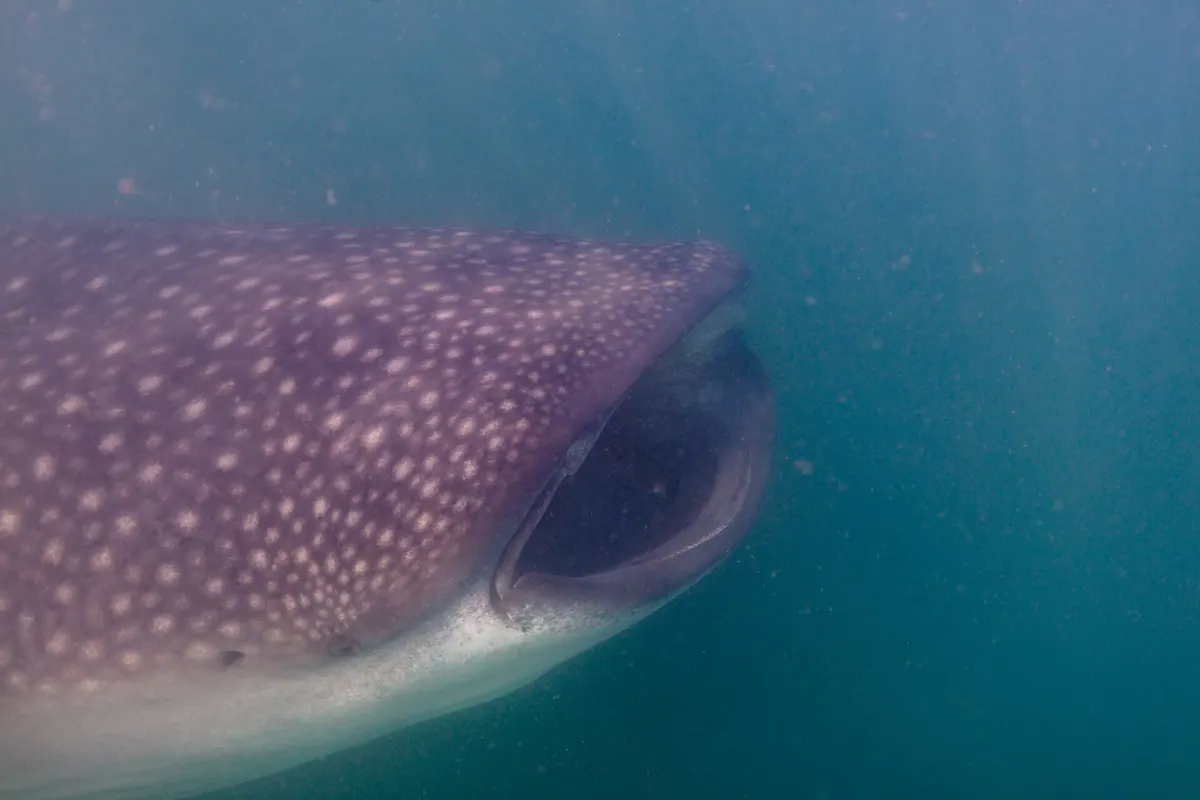
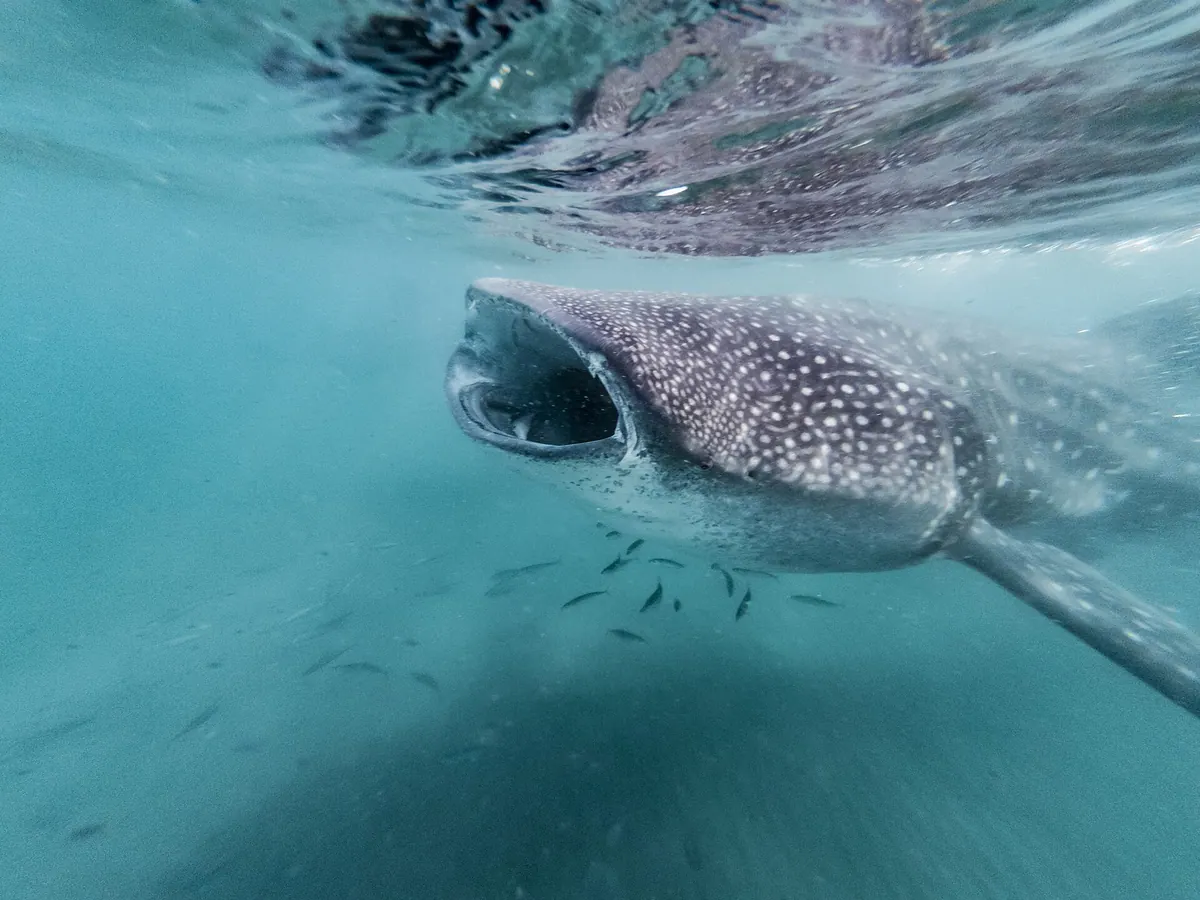
Whale sharks, mostly juveniles, arrive in Bahía de La Paz from October and leave around June to July. Counts peak from November to January. Whale shark swimming is snorkel-only, in groups of up to 5 swimmers per guide. Large mobula aggregations are reported from mid-April to June.
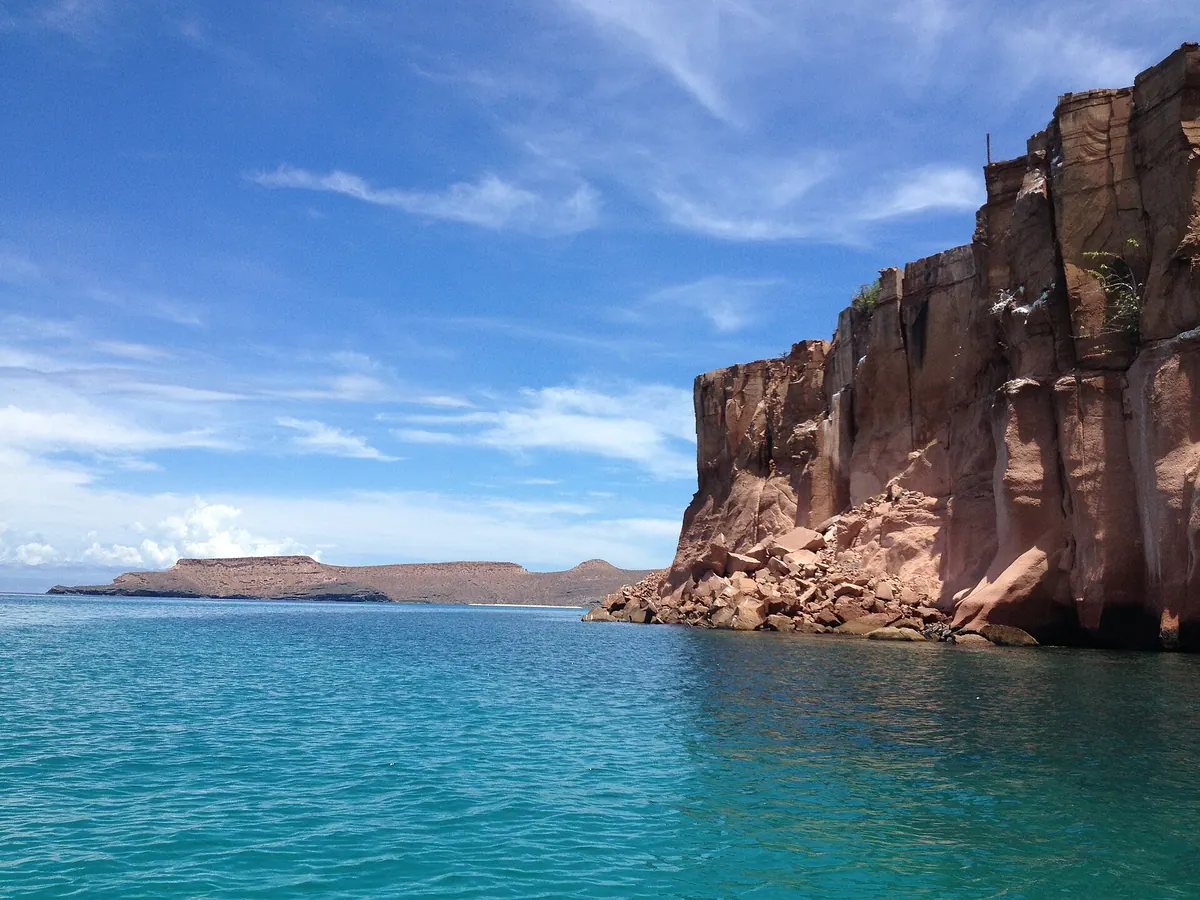
The Espíritu Santo archipelago became a national park in 2007. Three sunk ships serve as dive sites: Lapas 03, Fang Ming and C-59 Francisco Márquez. El Bajo is a seamount 100 m (328 ft) deep with three peaks of about 20 m (66 ft), where hammerheads, mantas and whale sharks gather seasonally.
Park rules apply to all visitors and operators, and visitors pay a park fee. Dive operators assign one guide per group of at most 6 divers. Boats keep 30 m (98 ft) from sea lion colonies, and visitors may not land on any islet. Free divers keep 2.5 m (8 ft) from coral.
Sea temperature runs from 20.6 °C (69 °F) in February to 29.1 °C (84 °F) in September. The eastern Pacific hurricane season runs from 15 May to 30 November. The nearest listed chamber is in Cabo San Lucas, and its distance from La Paz is not stated.
Summary drafted with AI from the sourced facts below; not yet reviewed by John R. Each figure here appears, with its source, further down the page.
Not yet checked by a person. Each fact shows its source: an official page, or a dive operator's or magazine's report where it says so. Rules and fees change: check with the authority and your dive operator before you go. In an emergency: DAN hotlines. How we check facts. Spotted a mistake? corrections@divehomebase.com.
- Sea temperature
- 20.6–29.1 °C / 69–84 °F
- NOAA OISST, monthly average 1991–2020
- Recompression chamber
- SSS Network Cabo San Lucas chamber (Sea of Cortez, Baja California Sur), Adolfo Lopez Mateos Street, Ejidal Chamizal
- SSS Network, Mexico (operator's own site), read 2026-11-20
Sea temperature by month
Average sea surface temperature near La Paz, 1991–2020. Deeper water and bays can be cooler. Best months for diving depend on more than temperature; we add them when a published source gives them.
- Jan21.0 °C / 70 °F
- Feb20.6 °C / 69 °F
- Mar21.0 °C / 70 °F
- Apr21.9 °C / 71 °F
- May23.4 °C / 74 °F
- Jun24.6 °C / 76 °F
- Jul27.0 °C / 80 °F
- Aug28.8 °C / 84 °F
- Sep29.1 °C / 84 °F
- Oct28.7 °C / 84 °F
- Nov26.4 °C / 80 °F
- Dec23.3 °C / 74 °F
Rules for divers
Among them: Free divers must keep at least 2.5 m; Swimming with whale sharks is snorkel-only; and 4 more below.
Set by the park or national authority. Breaking them can mean fines or losing your dive permit.
- Park rules apply to all visitors and tour operators and are enforced by SEMARNAT through CONANP and PROFEPA; visitors pay the fee set in the Ley Federal de Derechos (exempt: permanent residents of nearby towns, boat crews, under-6s and people with disabilities)1
- Free divers must keep at least 2.5 m (8 ft) from coral formations, gloves are not allowed, and a life jacket is required for everyone including the guide1
- Whale-shark observation and swimming in Mexico is governed by NOM-171-SEMARNAT-2018 (published 19 Nov 2019, in force 17 Feb 2020), status current2
- Diving operators must assign one guide per group, with a maximum of 6 divers per instructor1
- Minimum approach distances: 30 m to sea-lion colonies and 50 m to seabird nesting colonies; visitors may not land on any islet and must not collect corals, shells or stones1
- Swimming with whale sharks is snorkel-only (mask, fins, snorkel, life vest or wetsuit; no immersion); groups of up to 5 swimmers per guide, 2 m from the head and 3 m from the tail; only permitted boats up to 11 m, with a cap on boats in Zone I set by a satellite-tracking platform (5 boats when 5 to 9 whale sharks are present, 14 when 10 or more) (Oct–May)3
- CONANP/SEMARNAT, Compendio del Programa de Manejo, PN Zona Marina del Archipielago de Espiritu Santo (zoning and rules; copy hosted by Pronatura Noroeste), read 2026-11-23
- Secretaria de Economia, Catalogo Mexicano de Normas: NOM-171-SEMARNAT-2018, read 2026-11-23
- SEMARNAT Direccion General de Vida Silvestre, Plan de Manejo tiburon ballena, Bahia de La Paz, temporada 2021, read 2026-11-23
Marine life and conservation
Most often reported: whale shark (Nov–Jan), manta rays (Apr–Jun), bigeye jack.
Sightings are likelihoods, not promises.
- Protection: Parque Nacional Zona Marina del Archipielago de Espiritu Santo: declared a national park (marine zone only) by presidential decree published 10 May 2007; 48,654 hectares in two polygons; core zones 666 ha plus a 47,988 ha buffer zone1
- Bigeye jacks, king angelfish and giant hawkfish named in DAN gallery captions2
- Juvenile whale sharks aggregate in the southern Bahia de La Paz, highest abundance November to January (12-year series) (most often seen: Nov–Jan)3
- Large mobula aggregations from mid-April to June per PADI search extract (most often seen: Apr–Jun)4
- Whale sharks (mostly juveniles under 9 m) arrive in Bahia de La Paz from October and leave for other areas around June to July; the 2021-22 observation season ran 1 October 2021 to 31 May 2022 (reported: Oct–May)5
- Operators: migratory species including whale sharks most abundant Oct-Apr (regularly seen: Oct–Apr)4
- SEMARNAT, Diario Oficial de la Federacion (Acuerdo: resumen del Programa de Manejo, Parque Nacional Zona Marina del Archipielago de Espiritu Santo), read 2026-11-23
- DAN Alert Diver, La Paz photo gallery (captions only), read 2026-11-22 · read through a summary
- IWSC4 2016 conference abstract (Whale Shark Mexico series 2003-2015, Bahia de La Paz), read 2026-11-22 · read through a summary
- PADI Travel (search extract), read 2026-11-22 · operator or magazine report
- SEMARNAT Direccion General de Vida Silvestre, Plan de Manejo tiburon ballena, Bahia de La Paz, temporada 2021, read 2026-11-23
When to go
Seasons are averages: weather in any one year can differ. Storm seasons come from the national or regional weather agency.
- Eastern Pacific hurricane season May 15 to November 301
- NOAA National Hurricane Center glossary, read 2026-11-22
Getting there
- Nearest airport: La Paz (Manuel Marquez de Leon) International Airport, IATA LAP, is 11 km south-west of La Paz1
Conditions
- Access: Day boat from La Paz1
- Diving: Boat, wreck (Fang Ming), sea lion colony, seamount1
- Dive sites: Three sunk ships form the park's public-use artificial reefs on the west coast of the archipelago: Lapas 03, Fang Ming (former gunboat) and C-59 Francisco Marquez2
- PADI Travel (search extract), read 2026-11-22 · operator or magazine report
- SEMARNAT, Diario Oficial de la Federacion (Acuerdo: resumen del Programa de Manejo, Parque Nacional Zona Marina del Archipielago de Espiritu Santo), read 2026-11-23
La Paz in pictures
Dive sites
El Bajo
Los Islotes
- Los Islotes holds a California sea lion colony of more than 500 animals, a species under special protection in NOM-059-SEMARNAT-2010; it is the most visited sea-lion colony in the Gulf of California1
- Los Islotes colony (about 300 to 800 animals by different sources); visits may be closed in the pupping/mating season (May-Aug or Jun-Aug, sources differ)2
- From 5 m to 30 m from Los Islotes (the line marked by buoys), no vessel may navigate; the zone is kept free of boats so swimmers and divers can enjoy it3
- From 1 June to 31 August, swimming, snorkelling and scuba with sea lions at Los Islotes is suspended (sea lion breeding season). Visitors may watch from a boat at least 30 m away4
- Boats visiting Los Islotes must use the park's mooring buoys; the buoys are only for pangas up to 30 ft (10 m), and larger boats must anchor on sand outside the buoyed area3
- At Los Islotes, swimming, scuba and free diving are prohibited from the shore to 5 m from the sea-lion rookery3
- Snorkelling: Yes2
- SEMARNAT, Diario Oficial de la Federacion (Acuerdo: resumen del Programa de Manejo, Parque Nacional Zona Marina del Archipielago de Espiritu Santo), read 2026-11-23
- National Geographic Travel (search extract), read 2026-11-22 · operator or magazine report
- CONANP/SEMARNAT, Compendio del Programa de Manejo, PN Zona Marina del Archipielago de Espiritu Santo (zoning and rules; copy hosted by Pronatura Noroeste), read 2026-11-23
- CONANP (press release 29 May 2018), read 2026-11-20
Questions about diving in La Paz
Can you dive with sea lions at Los Islotes in summer?
Not in the 2018 closure window: CONANP suspended swimming, snorkelling and scuba with the sea lions there from 1 June to 31 August that year. Current dates differ between sources, so check CONANP.
When can you see whale sharks in La Paz?
Most often from October, with counts peaking from November to January. They leave around June to July.
Can you scuba dive with whale sharks in La Paz?
No. Swimming with whale sharks is snorkel-only, with no immersion, in groups of up to 5 swimmers per guide.
Is there a hyperbaric chamber near La Paz?
The nearest listed is in Cabo San Lucas, not La Paz. The road distance and any boat evacuation are not stated.
Not found yet: what it costs, snorkelling and learning, an official diving level. We add facts once there is an official or published source. See every dive destination, or read about diving safety and how the site is paid for.